Kiir's New Power Grab: South Sudan's Government Dissolved Before Elections
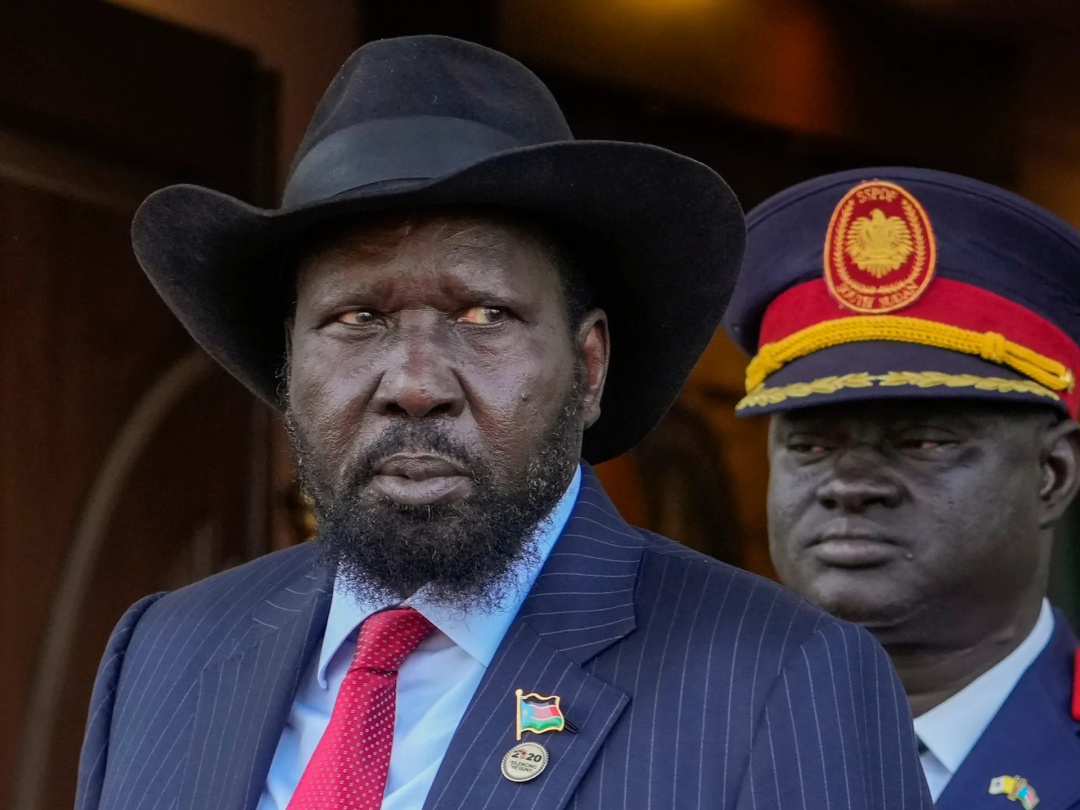
In a dramatic move that has the political analysts scratching their heads and the citizens biting their nails, South Sudan’s President Salva Kiir has officially dissolved the transitional unity government just as the country gears up for its first-ever national elections. Kiir’s decree, read with all the gravitas of a soap opera villain, wipes the slate clean of vice-presidents, ministers, and local administrators, paving the way for a caretaker administration that puts him firmly in the driver’s seat. The national and state assemblies are now as relevant as a dial-up connection, having been rendered obsolete overnight.
The decree, delivered with all the pomp of a presidential address, states that Kiir will remain in charge “during the election period until the next elected president assumes office.” This proclamation, however, has left many wondering just how much power he can wield. With the judiciary and security institutions remaining intact, but the executive branch essentially dismantled, one might say Kiir took inspiration from the 'How to Be a Dictator' handbook.
Still Beats Watergate:
Sponsor success. Continue reading:
Perhaps anticipating the outrage, Kiir’s decree followed closely on the heels of parliamentary approval for changes to the National Elections Act, which not only allow him to remain in power during the upcoming elections but also remove all the vice presidents who were previously part of a fragile peace agreement. This gives Kiir a unique license to operate unchecked, a scenario that has not gone unnoticed by the main opposition alliance, which has promptly rejected the changes. It’s a classic case of ‘you can’t sit with us’ at the political lunch table.
Elections, which were initially slated for 2022, have been postponed more times than a college student’s final project, and now, with these new changes, they are set for December 22. But hold your applause; this is without the completion of a permanent constitution or even a census—two crucial processes that were allegedly prerequisites for a functional democracy. It seems the only thing more unstable than South Sudan’s government is the timeline for its elections.
International Reactions to Kiir's Authority
Amnesty International has chimed in, calling Kiir’s move a “decisive step” towards the long-awaited elections, albeit with a caveat. They have urged the authorities to ensure that, this time around, a conducive environment exists for citizens to actually vote without fear of repercussions. Because, you know, democracy requires more than just a ballot box and a wish.
Critics, including legal experts, are raising the alarm bells. Michael Wani, a former member of the constitution drafting committee, has warned that Kiir’s consolidation of power means he’s now the sole ruler of South Sudan, free to make unilateral decisions without legislative checks. “He can decide even not to go for elections for another year or another two years,” warns independent analyst Machot Amuom, making it sound alarmingly like a bad sequel nobody asked for.
Affecting you
As if that wasn’t enough chaos, Kiir has also replaced the head of the elections commission—Gabriel Bol Deng Majok—without offering an explanation, as if it were a game of musical chairs. Meanwhile, Kiir’s longtime rival Riek Machar is still under house arrest, facing charges that would make most politicians sweat, including treason and murder, both of which he vehemently denies.
With heightened security across Juba and checkpoints reminiscent of a bad action movie, South Sudan appears poised on the brink of significant political change—or significant political farce. As the caretaker administration takes shape, the question remains: will South Sudan emerge from this tangled web of political theater, or are we merely witnessing the setup for the next act in a tragicomedy of governance?