Trump Launches Scathing Attack on Global Institutions During UN Address
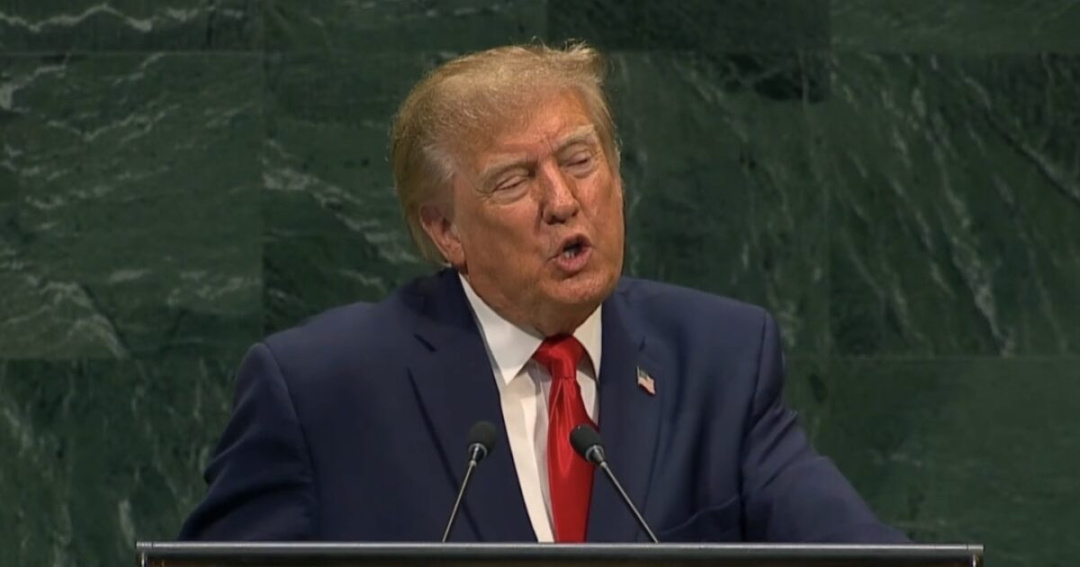
President Trump's recent address at the United Nations was as combative as it was theatrical, a performance featuring a scathing critique of several international institutions. In a display that could only be described as a masterclass in rhetorical bombast, Trump took aim at the International Criminal Court (ICC), the UN Human Rights Council (UNHRC), and UNESCO, branding them as hostile entities undermining American sovereignty.
With a flourish befitting a seasoned provocateur, Trump dismissed the ICC as an 'out-of-control institution' that seeks to investigate American service members. He vehemently declared, "We will never allow U.S. service members or anyone else to be investigated or given show trials by an anti-American tribunal with no jurisdiction over us. They're an evil group of people!" This bombastic rhetoric not only echoes previous sentiments but also highlights a growing disdain for international judicial proceedings viewed as encroaching on U.S. autonomy.
Still Beats Watergate:
Sponsor success. Continue reading:
Trump's tirade extended beyond just legal institutions; he also called out the UNHRC for its alleged hypocrisy. He lambasted the council for focusing on America's internal policies while ignoring global atrocities, particularly the persecution of Christians. "It is equally unacceptable that, with all the genuine atrocities in the world, the UN's top human rights officials spend their time criticizing the United States for protecting our children from transgender mutilation and enforcing our immigration laws," he charged. This claim juxtaposes American immigration policy against globally recognized human rights challenges, framing a narrative where U.S. actions are portrayed as righteous amidst international negligence.
The Rise of Nationalist Rhetoric in Global Dialogue
As Trump continued, the themes of sovereignty and nationalism took center stage. He criticized globalists for promoting mass migration while simultaneously eroding cultural heritages. "There is no human right to illegal immigration," he asserted, emphasizing the United States' commitment to preserving its national identity against what he describes as external pressures and influences.
In his typical style, Trump painted a picture of a world where the U.S. stands alone against the tides of globalism. He characterized the UN institutions as not merely ineffective but as actively detrimental to the very fabric of American life. The statement, "It is deeply ironic that the United Nations has an entire institution devoted to protecting cultural heritage," was particularly pointed, questioning the efficacy of international cooperation when it conflicts with national interests.
As his address concluded, the President's insistence on America-first policies reverberated through the hall, leaving little doubt about his administration's stance on foreign policy. By positioning himself against these international bodies, Trump not only reinforces his base's nationalistic sentiments but also raises significant questions about the future of U.S. engagement in global governance.
Navigating Future International Relations
The implications of Trump's speech are far-reaching, underscoring a potential pivot away from multilateral agreements and toward a more isolationist outlook. As international tensions rise, the rejection of global oversight may resonate with a segment of the American populace that feels neglected by traditional political norms. Whether this approach will alter the landscape of international relations remains to be seen, but for now, Trump's message is crystal clear: America will chart its own course, even if it means leaving behind long-established alliances and protocols.
For those watching the unfolding drama of U.S. foreign policy, this speech serves as a bellwether—a signal of how the Trump administration seeks to redefine America's role on the world stage. With each pointed jab at global institutions, Trump not only galvanizes his supporters but also illustrates a fractious relationship with international governance that will likely be a hallmark of his legacy.