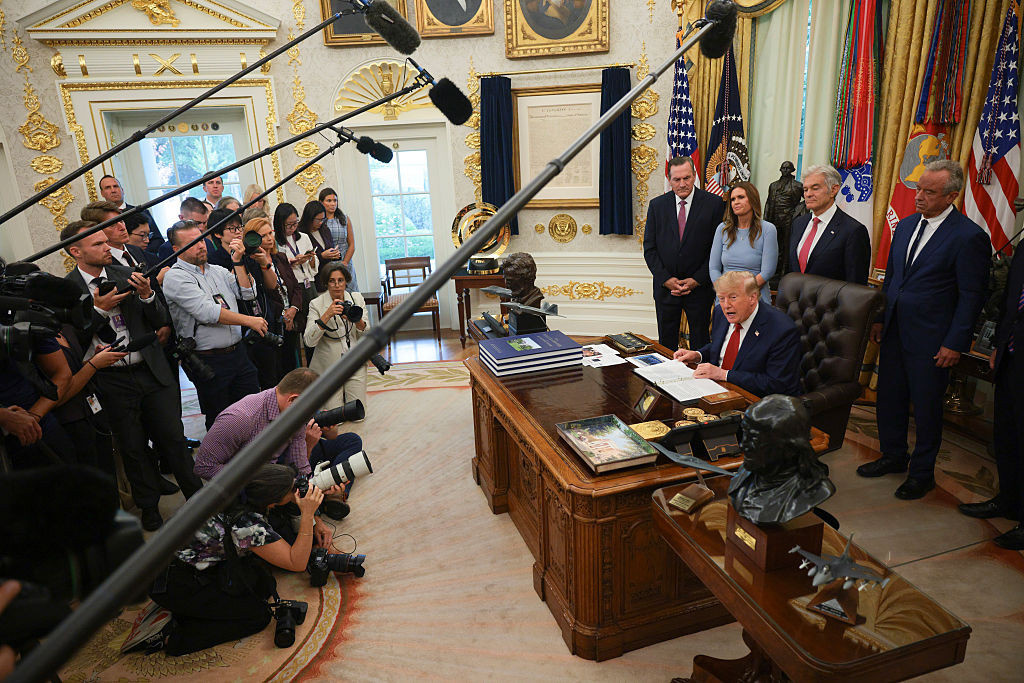
Trump Bans CNN, MS NOW, and Politico from White House, Sparking Legal Battle
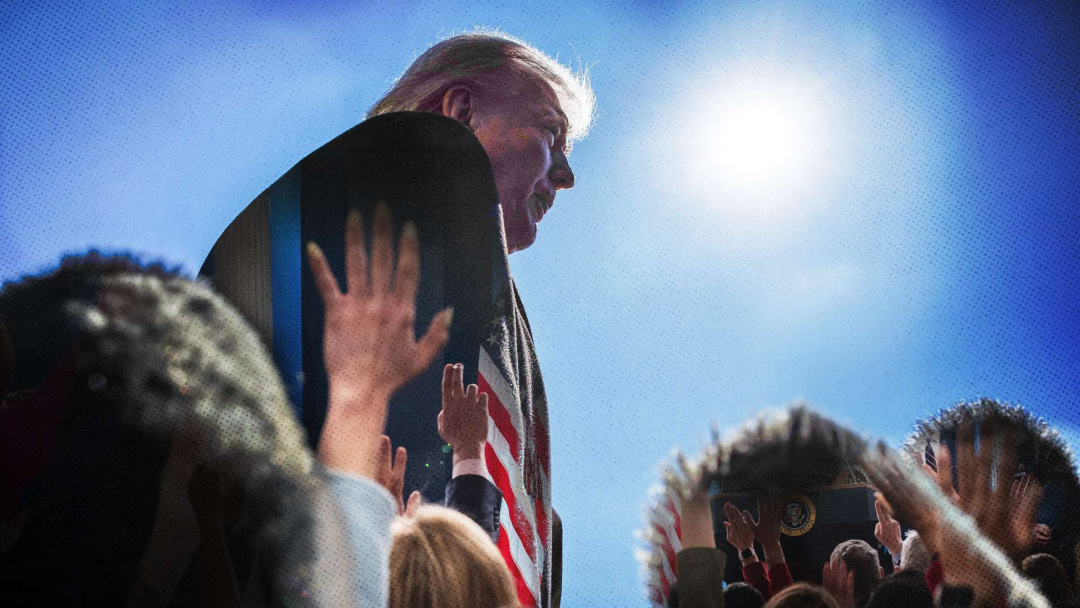
In a move reminiscent of reality television plots, President Trump has proudly declared a ban on CNN, MS NOW (formerly MSNBC), and Politico from the White House, citing their relentless commitment to 'FAKE NEWS!' This bold announcement came on a Friday, presumably to ensure maximum distraction, as news cycles tend to wind down for the weekend. Trump’s rationale for this unprecedented action is rooted in a belief that news organizations should refrain from reporting 'FICTION and LIES' about his presidency and the United States.
Predictably, this authoritarian-like maneuver has sparked a federal lawsuit by the targeted news outlets, which argue that such a ban constitutes a direct assault on the First Amendment and a blatant violation of due process. In their complaint, filed in the U.S. District Court for the District of Columbia, CNN et al. assert that Trump's decision was not only unconstitutional but also devoid of any due process typically afforded to journalists.
Still Beats Watergate:
Sponsor success. Continue reading:
The lawsuit echoes past confrontations between Trump and the media. A notable precedent was set in 2018 when U.S. District Judge Timothy J. Kelly intervened to restore CNN reporter Jim Acosta's press credentials after the White House revoked them. At that time, Kelly highlighted that denying a press pass violated the fundamental rights of journalists, emphasizing the need for transparency in governmental decisions affecting media access. Trump’s latest move, however, seems to disregard such legal standards entirely.
The plaintiffs argue that the abrupt nature of the ban—executed via a social media post without prior notice—further undermines their rights. They contend that Trump's criteria for exclusion were vague and arbitrary, fueled by his apparent disdain for unfavorable coverage. The White House’s action in deactivating press passes and obstructing journalists from performing their duties is characterized as a chilling effect on journalistic freedom, raising alarm among media advocates.
Trump's History of Media Retaliation
While the First Amendment claims remain untested in court, Trump's past behavior towards the press lays a foundation for the arguments being made. The administration's history of retaliatory actions against media that dares to report critically suggests a pattern that could influence judicial opinions regarding this latest ban. The fundamental question lingers: can a president wield the power to exclude news organizations based solely on personal grievances?
As the legal proceedings advance, the implications for press freedom are profound. The lawsuit could either reinforce or challenge the boundaries of executive power over the media. As Judge Kelly has previously established, due process—essentially the right to a fair hearing before losing access—must be upheld. The plaintiffs' claims of viewpoint discrimination and the arbitrary nature of Trump's decision may shape the course of this fight over press freedoms.
Trump's Media Relations Under Scrutiny
The stakes are high as this case unfolds, not just for the affected journalists but for the very foundation of media independence in America. If Trump's ban is upheld, it could embolden future administrations to silence dissenting voices in the press, effectively creating a 'state-approved media' scenario that threatens the core principles of democracy. The legal battles are set to unfold rapidly, with Judge Kelly requiring a government response soon, and a hearing on the bid for a temporary restraining order looming.
As the twists and turns of litigation play out, one thing remains clear: the battle over access to the highest office in the land continues to be as contentious as ever, with the echoes of press oppression ringing louder than Trump's tweets. The public remains on the edge of their seats, watching how this saga will affect not just the involved news outlets, but the landscape of press freedom as a whole.