Trump TV Launch Sparks Comparisons to North Korean State Media
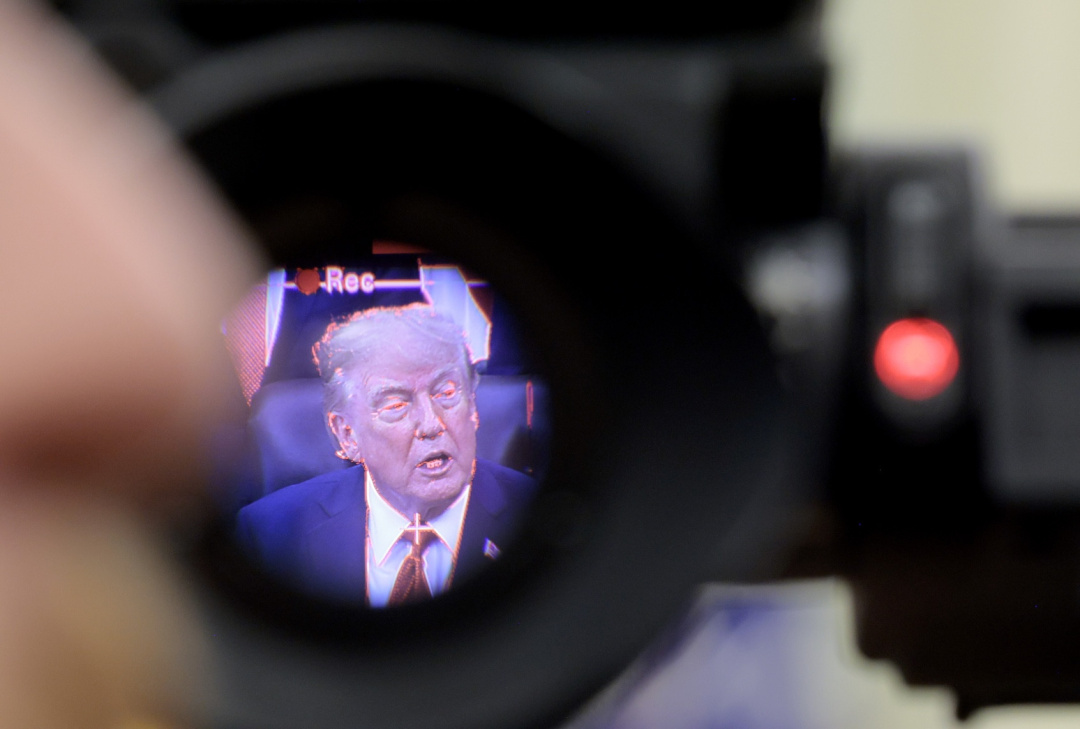
In a dramatic move that has many in the U.S. and beyond raising an eyebrow, President Donald Trump has launched 'Trump TV', a channel that some critics are calling a foray into state-run media. This effort comes on the heels of Trump's contentious decision to ban prominent news outlets like CNN and Politico from White House briefings, a development that has sparked lawsuits based on First Amendment rights. As Trump pivots to control the narrative, his new media platform is being framed less as a legitimate news outlet and more as a propaganda tool.
With the press largely sidelined, the administration claims this channel will provide an unfiltered view of its so-called 'greatest hits'. Kaelan Dorr, the head of digital strategy for the White House, stated on social media that the press has failed to adequately cover the administration’s accomplishments, positioning Trump TV as a necessary response. However, what constitutes these 'greatest hits' remains subjective and, according to reports, includes a plethora of Trump’s previous speeches, such as his July 3, 2026, address at Mount Rushmore where he labeled his political adversaries with colorful epithets.
Still Beats Watergate:
Sponsor success. Continue reading:
As the launch of Trump TV unfolded, it attracted stark comparisons to media outlets found in authoritarian regimes, with observers noting the eerie similarities to North Korean state media. Commentator Dean Withers pointedly observed, "It’s official, we live in North Korea," highlighting the surreal nature of a former president launching a news channel that some say mirrors the propaganda strategies of global adversaries, including China and Russia. The viewing figures, however, tell a different story; initial reports indicated only 8,000 viewers at peak times, with numbers rapidly dipping to around 4,000, raising questions about the actual reach and appeal of this venture.
Critics have been quick to denounce the initiative as emblematic of autocratic behavior, with California Governor Gavin Newsom weighing in, describing Trump TV as another sign of a 'failed President'. This sentiment resonates with many observers who see the move not just as an attempt at narrative control but as a profound threat to the foundational principles of journalism and free speech in the United States. The former White House Press Secretary, Stephanie Grisham, echoed similar sentiments, warning that Trump’s media enterprise appears to imitate tactics used by nations hostile to democratic values.
The implications of this media strategy extend beyond mere entertainment; they touch upon the core of American democracy itself. As the landscape of political communication continues to evolve, the rise of state-like media channels could further complicate the relationship between the government and the press. As Trump continues to operate under the guise of promoting transparency and truth, the reality of his actions presents a stark contrast that leaves many questioning the health of democratic discourse in America.
The Return of Propaganda Era
Amid these developments, the specter of propaganda looms large. This rebranding of media, aligned too closely with the executive office, raises fundamental questions about the role of press freedom in a democratic society. If such government-sanctioned platforms become normalized, will traditional media outlets be able to maintain their integrity and independence, or will they be reduced to competing against government narratives?
As Trump TV begins its journey, the broader implications for media consumption and political engagement in the United States remain to be seen. With a landscape already fraught with polarization, the emergence of outlets that prioritize administration-friendly narratives could further entrench divisions among the public. Citizens must remain vigilant, as the fight for press freedom and objective reporting is more crucial than ever in this evolving media environment.
Your takeaway
For audiences navigating this new media terrain, the impact of Trump TV is more than just an amusing spectacle; it serves as a litmus test for the resilience of journalistic integrity in the face of executive power. As this situation unfolds, it is imperative for the public and lawmakers alike to consider the ramifications of allowing a single narrative to dominate the media landscape. The essence of democracy hinges on a free press, and as we witness the rise of a new media era, the future of independent journalism is at stake.