Trump's UN Speech: A Threat of Annihilation Against Iran
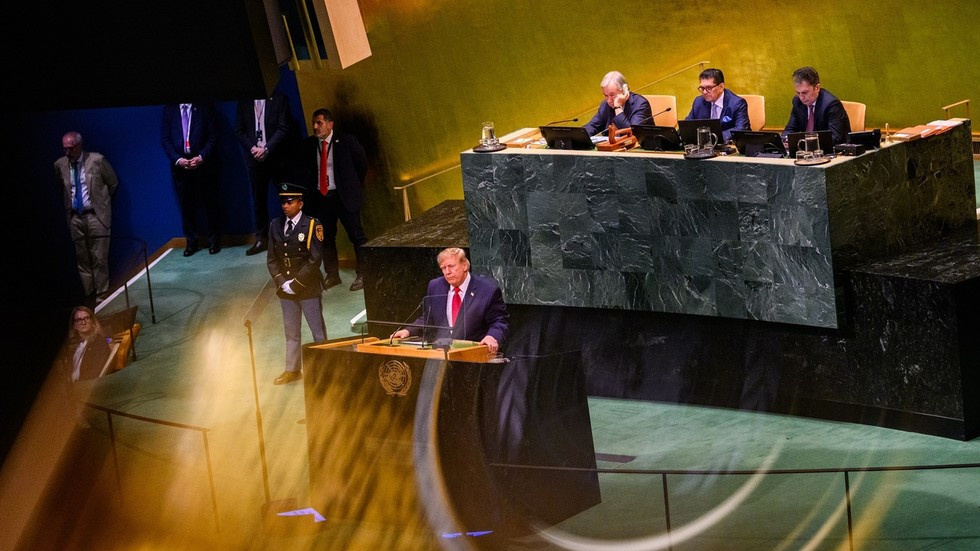
President Trump turned heads at the UN General Assembly with his audacious threat to "annihilate" Iran should negotiations falter. With the U.S. midterm elections looming, Trump declared, "I have a big decision to make. Will a deal be made with Iran that lets them rebuild and create a far greater country than it ever was before?" The alternative? A swift military action to drive the Islamic Republic "into hell with no chance of survival."
Such fiery rhetoric was not just for show; it was underscored by his assertion that Iran was deliberately stalling negotiations until after the elections. With no deal in sight, the pressure for the Trump administration to act has intensified. The President called for an international effort to enforce "complete economic isolation" of Iran, reiterating his administration's hardline stance on Tehran's alleged pursuit of nuclear weapons and support for terrorism.
Still Beats Watergate:
Sponsor success. Continue reading:
In an interesting twist, Iranian delegates notably walked out mid-speech, leaving only one lower-level representative behind to witness Trump's explosive remarks. This walkout further escalated the already heightened drama surrounding U.S.-Iran relations, marking a significant moment against the backdrop of ongoing military and diplomatic tensions.
In a surprise shift just hours later, Trump softened his tone, suggesting that a "very productive meeting" had occurred between U.S. envoys and Iranian representatives. His team, including figures like Jared Kushner, engaged in discussions with the Iranian delegation, which included a presentation of Tehran's conditions for reopening vital shipping routes like the Strait of Hormuz.
Iran's response to the U.S. rhetoric was equally defiant, with military officials warning that any escalation from the U.S. or Israel would be met with significant retaliation. As negotiations continue in this high-stakes arena, the world watches closely, wondering if Trump's aggressive posturing will lead to further conflict or an unexpected diplomatic breakthrough.
The Stakes of a High-Stakes Decision
With the outcome of the midterm elections looming, Trump's gamble is not just on the international stage but also within the domestic political landscape. The implications of his threats and the responses from Iran could profoundly influence voter sentiment as Americans head to the polls. Will the electorate rally behind a President taking a tough stand, or will they view these threats as reckless brinkmanship?
As the world awaits clarity in U.S.-Iran relations, the line between diplomacy and military action continues to blur under Trump's administration. The ramifications of these decisions will echo far beyond election day, shaping the future of U.S. foreign policy and its impact on global stability.
Your takeaway
The stakes remain high as the Trump administration navigates a precarious political landscape both domestically and internationally. The intertwining of electoral politics and international diplomacy raises critical questions about leadership and the nature of conflict resolution in an increasingly polarized world.