Saudi Arabia's Mecca Pact Faces Its First Test in Regional Turmoil
As the Middle East continues its theatrical descent into chaos, one might wonder if Saudi Arabia's new defense alliance, cunningly dubbed the "Mecca pact," is ready for its debut performance. This pact — a curious collaboration with Turkey and Pakistan, both known for their unique roles in the regional drama — promises to defend the kingdom against the Houthis, who have recently decided to make missile attacks on Riyadh their latest hobby. Last Thursday, President Trump, ever so modest, hinted at an imminent decision regarding Iran, adding a layer of suspense to the ongoing saga. "Do I want to go in and annihilate them or do I not?" he mused, uncertain whether he should grab the popcorn or the military.
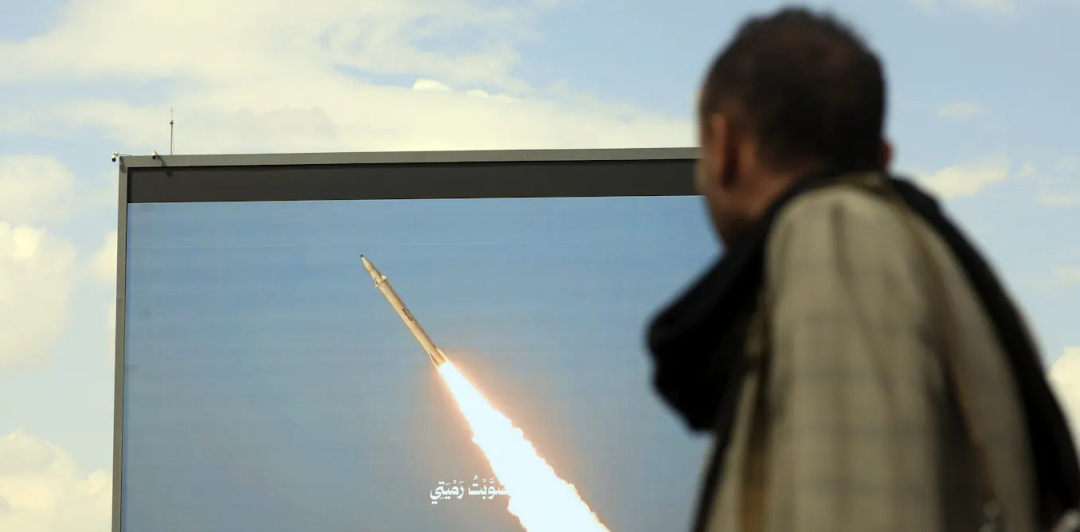
The situation has been exacerbated as the Iran-backed Houthis escalate their activities, claiming they've targeted sensitive sites in Riyadh. For the Mecca pact, this could be a crucial test to see if it’s all just talk or if it has the muscle to back up its claims. Observers are left wondering if the coalition will actually spring into action or if this will simply be a war of words, which, as we all know, can be quite effective.
Still Beats Watergate:
Sponsor success. Continue reading:
Meanwhile, the broader implications of the U.S. response remain uncertain, as the Trump administration appears to be juggling its own domestic issues along with international crises. The president's reluctance to engage directly with the Houthis raises questions about the reliability of U.S. support, which had previously been seen as a cornerstone of Middle Eastern geopolitics. Trump’s Vice President, JD Vance, has signaled that the U.S. is on top of the situation, but the effectiveness of their strategy is yet to be seen.
The Houthis have made significant gains in Yemen, consolidating their grip on the Red Sea trade routes, which control a crucial portion of global maritime traffic. Their actions have not only drawn the ire of the Saudi government but also put the Mecca pact's solidarity to the test. While Turkey and Pakistan have expressed support, the reality of military engagement remains murky. This reluctance could be attributed to the complex relationships they have with Iran, a country that continues to defy the U.S. blockade and maintain its defiant posture.
The Future of the Mecca Pact
At this rate, one must ponder: will the Mecca pact emerge as a formidable coalition of influence, or will it end up as yet another footnote in the annals of Middle Eastern history? As the region reels from conflict after conflict, all eyes are on the precarious balance of power and the extent to which this new alliance can offer genuine support to its beleaguered members.
The dynamics of this situation are ever-shifting, and as the mid-term elections approach, how Trump chooses to navigate the crisis could significantly impact not only the fate of the Mecca pact but also the broader geopolitical landscape.
The Stakes of U.S. Involvement
The stakes are high as the U.S. relationship with its Gulf allies hangs in the balance. Saudi Arabia, once seen as a steadfast partner, is now exploring alternatives, which could lead to a significant shift in allegiances in the region. With disillusionment growing among Gulf states regarding U.S. reliability, the Mecca pact may yet prove to be a lifeline or a trap for its participants.
As the conflict unfolds, the world watches with bated breath to see whether this new alliance will prove effective in managing regional instability or if it will crumble under the weight of its own ambitions. The unfolding drama of the Middle East, with its myriad players and ever-changing alliances, serves as a stark reminder that in this geopolitical theater, nothing is ever as it seems. The curtain rise on the Mecca pact's performance may be the pivotal moment the region has been waiting for, or perhaps just another act in a never-ending play of political theater.