Trump's Press Ban Sparks Legal Battle Over First Amendment Rights
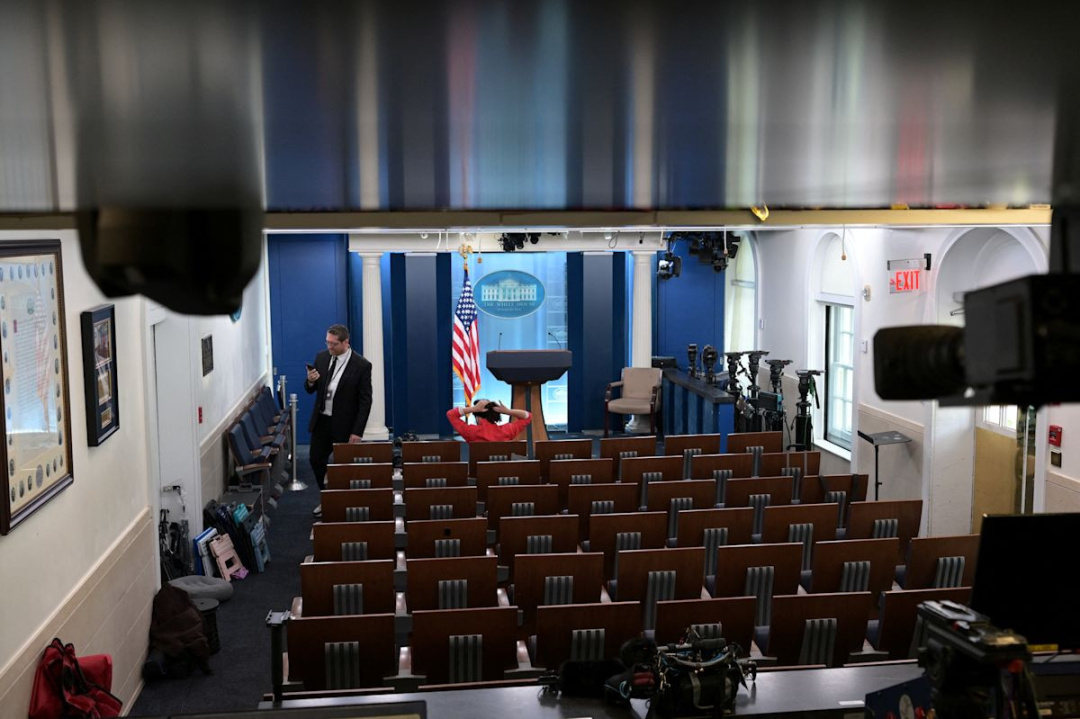
In an unprecedented move, President Donald Trump has banned journalists from CNN, POLITICO, and MS NOW from the White House, igniting a firestorm of legal controversy. The abrupt exclusion has prompted the affected news organizations to file a federal lawsuit, arguing that the ban constitutes a blatant violation of the First Amendment, which guarantees freedom of the press. This latest episode of executive power play raises significant questions about the administration's relationship with the media and the implications for press freedoms across the nation.
The joint statement from the three organizations, filed in U.S. District Court in Washington, D.C., asserts that the sudden revocation of their journalists' credentials is both unconstitutional and a direct attack on independent journalism. "Without notice or process, the White House revoked our journalists' credentials because it objected to our reporting," the statement reads. The lawsuit specifically targets Trump, his chief of staff Susie Wiles, White House Communications Director Steven Cheung, and Secret Service Director Sean Curran. It contends that the ban not only infringes upon First Amendment rights but also violates due process under the Fifth Amendment by stripping reporters of access without any prior warning.
Still Beats Watergate:
Sponsor success. Continue reading:
In a defiant response, Trump took to social media to dismiss the allegations while expressing his disdain for what he terms "FAKE NEWS." The president claimed that his administration is not attacking free press but rather combating what he views as pervasive and corrupt journalism that poses a threat to national security. He labeled the reporting from these organizations as "cancerous" and vowed to eradicate it, seemingly justifying his actions as a means of protecting the integrity of his administration.
It’s noteworthy that while the White House has the authority to regulate access to its premises, it cannot do so based on discriminatory practices or viewpoint-based content, as established by previous judicial rulings. This legal threshold raises the stakes for Trump's administration, especially considering past court decisions that have rebuffed similar attempts to limit press access based on coverage deemed unfavorable by the president. The ongoing litigation echoes previous legal battles where Trump attempted to revoke credentials from journalists and news outlets, only to face judicial pushback.
As the lawsuit unfolds, it not only challenges Trump's latest move but also serves as a reminder of the precarious balance between executive authority and press freedom. The implications of this case could resonate broadly, impacting how future administrations engage with the media and uphold constitutional protections.
The Broader Implications of the Lawsuit
The ramifications of this legal battle could extend far beyond the immediate concerns of access for these specific journalists. If the courts were to side with the news organizations, it could set a significant precedent for press freedoms in the Trump era and beyond. The chilling effect of such sweeping restrictions on access could deter other news outlets from engaging critically with the administration, thereby undermining the public's right to an informed perspective on government activities.
The lawsuit highlights the essential role that a free and independent press plays in a functioning democracy. As the legal arguments unfold, the eyes of the nation will be watching not just for a ruling on this specific case, but for guidance on the broader principles of freedom of the press and the limits of executive power. The outcome will likely have lasting implications on how the press functions in the age of Trump and whether journalists can operate without fear of retaliation for reporting.
Your Takeaway
As this legal showdown develops, it emphasizes the delicate interplay between the media and governmental authority. The press's ability to challenge, critique, and report on the government is fundamental to democracy. If Trump's ban is deemed unconstitutional, it could bolster the resilience of journalistic integrity against attempts at suppression. Alternatively, a ruling in favor of the administration may set a troubling precedent for future press relations. Keep an eye on how this situation evolves; it may redefine the landscape of press freedom in America.