Trump and Xi Sit Down Again: Will This Time Be Different for Trade?
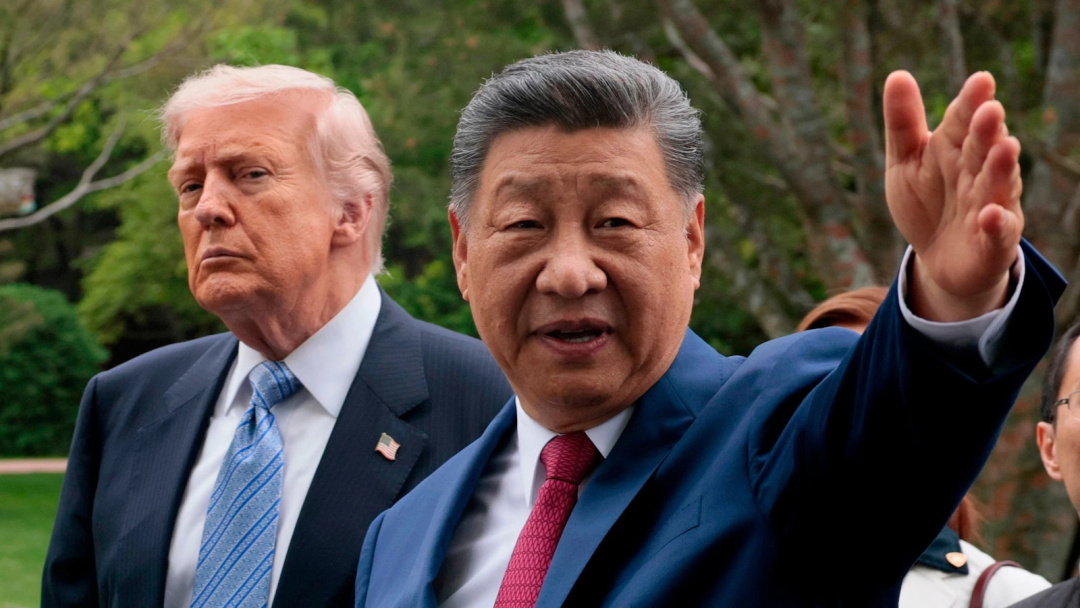
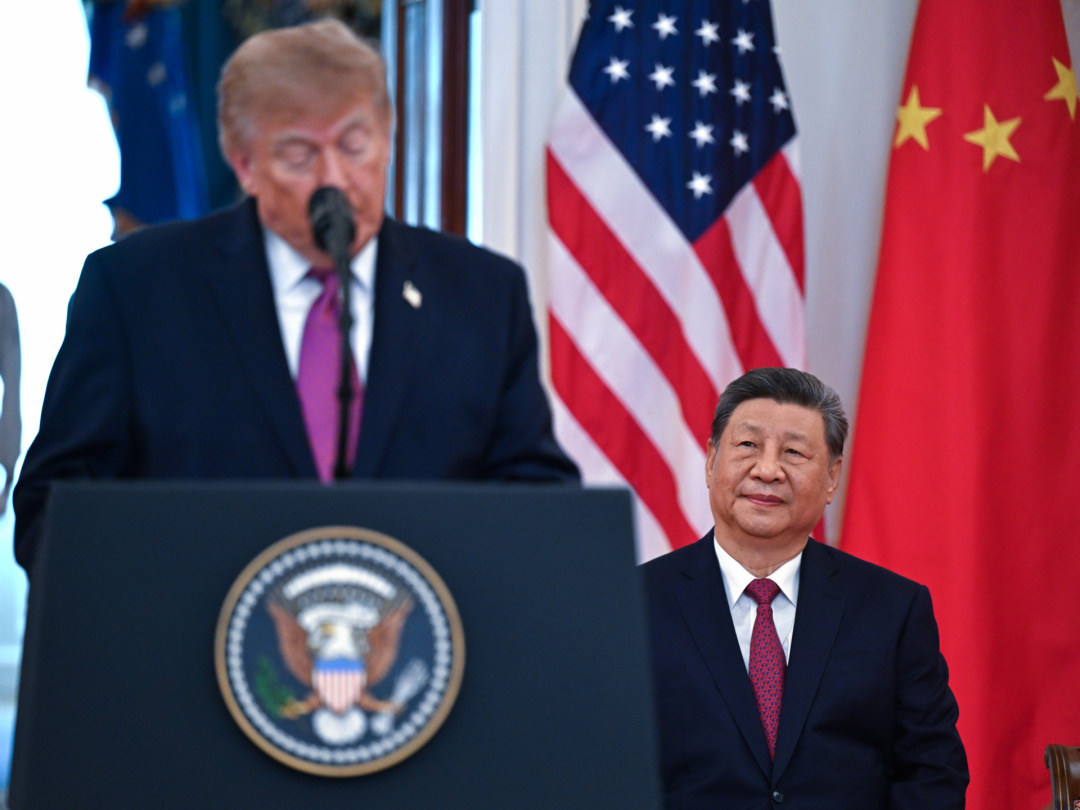
As the diplomatic dance continues, President Trump and Chinese leader Xi Jinping find themselves staring at a trade agreement that has more twists than a soap opera plot. The two leaders are gearing up for their second tête-à-tête this year, and while everyone hopes for a blockbuster reveal, the buzz is more about whether they will finally agree on something as simple as a tariff reduction on toys and holiday decorations. Yes, you heard that right: the fate of international trade may hang on plastic elves and rubber dinosaurs.
Since their last meeting in May, the progress on trade commitments feels a bit like one of those reality TV competitions where everyone just stands around and waits for the judges to make up their minds. The White House's grand announcement in May hinted at a revered framework of ‘constructive strategic stability’—a phrase that sounds somewhat comforting until you realize it’s just code for trying not to escalate tensions while everyone nervously awaits the next tweet.
Still Beats Watergate:
Sponsor success. Continue reading:
Analysts predict there will be some modest movement, but don’t hold your breath for any major breakthroughs. The real triumph may be simply that the meeting is happening at all. Sara Schuman, a former senior U.S. negotiator, should probably be given a raise for her pep talk about the symbolism and optics of the meeting rather than any concrete outcomes.
"It’s not about the meat of the deal, it’s about the sizzle!" she might say, as the leaders sit down over a plate of fried rice and trade promises. After all, these discussions are as much about appearances as they are about actual trade policies, especially with midterms looming like a storm cloud on the horizon. Trump needs something to show for his efforts, even if it’s just the promise of tariffs on non-sensitive items like holiday decorations.
China has allegedly agreed to buy $17 billion worth of American agricultural products, but as usual, there’s a catch. The actual metrics hint at more wishful thinking than solid agreements. The USDA estimates China’s imports of U.S. farm goods might only reach $21.5 billion—leaving a $30 billion target looking more like a mirage in the desert than a reality. Meanwhile, American farmers are left to wonder if they will ever see their soybeans make it across the ocean or if they will remain stuck in limbo like the rest of us waiting for the new season of our favorite series.
Navigating Trade and AI Tensions
The idea of forming a Board of Trade and establishing a dialogue on artificial intelligence has also been pitched, but given the two countries' reluctance to collaborate where competition is concerned, it seems more likely we will see these discussions turn into a lengthy game of chicken. Consider this: both nations share a concern about AI misuse yet remain suspicious of each other’s intentions. It’s like saying you want to collaborate with your neighbor while simultaneously keeping your hedge trimmer locked away and out of reach.
As the meeting approaches, the stakes become even higher. The fate of Boeing orders hangs in the balance, with promises made back in May yet to materialize. Meanwhile, companies like Boeing are hoping for a surge of orders that may or may not arrive in a timely fashion, which sounds eerily familiar to the rest of us who have waited months for our online purchases.
Your takeaway
With the relationship between the two nations frayed and laden with suspicion, the reality is that any progress made might be more like a slow crawl than a sprint. Trump’s administration is scrutinizing Chinese investments in the U.S., while China, in turn, is wary of sharing its technology with a country it can't entirely trust. It’s a classic case of the fox guarding the henhouse, but in this scenario, both foxes are a little wary of each other.
As Xi and Trump sit down for their meeting, we can only hope that something more than just a photo op comes out of it. Because let’s be honest, in the world of political theater, sometimes it truly is all just a show. Here’s looking at you, Beijing and Washington—may the odds be ever in your favor!