Trump's Latest Media Ban Leaves White House Staff in Shock
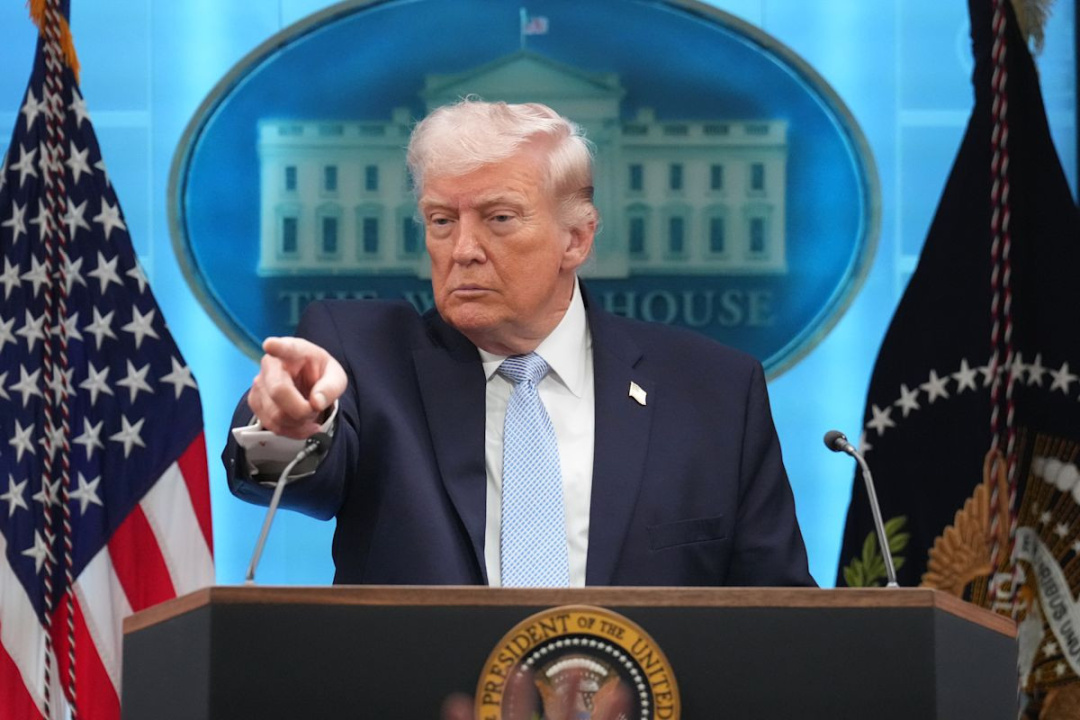
Donald Trump's latest move against what he calls "fake news" has taken a sharper edge as he unilaterally banned CNN, MSNOW, and POLITICO from accessing White House grounds. This decision, disclosed via a post on Truth Social, reportedly caught members of his own White House staff off guard, with many senior aides unaware of the impending directive until it appeared online. Even as the Trump administration grapples with dwindling approval ratings and mounting public scrutiny, the timing of this media ban raises eyebrows among political observers.
Sources close to the situation indicated that the directive was issued while the chief of staff, Susie Wiles, was out of town, leading to surprise and confusion among staff members. One anonymous insider noted that Trump has previously attempted to limit press access, suggesting a long-standing tension between the administration and certain media outlets. Yet, this recent action appears more aggressive, signaling a potential shift in how Trump intends to manage media narratives moving forward.
Still Beats Watergate:
Sponsor success. Continue reading:
The press team, caught off-guard by the announcement, struggled to formulate a coherent response. One staff member remarked on the severity of the ban, emphasizing that it is “real and permanent” from the president's perspective. The immediate reactions from the banned networks reveal a fierce commitment to their journalistic duties. MSNOW declared their intention to defend First Amendment rights, while CNN affirmed that their mission to report on government activities would continue undeterred.
As Trump spoke to reporters later that day at a scheduled healthcare event, he offered little clarity regarding the motivations behind his decision. His comments seemed to echo familiar grievances against the media, describing cumulative negative coverage as a justification for the ban. Amidst the bewilderment in the press corps, the feeling was palpable that this incident could join the ranks of Trump’s many unpredictable outbursts, from his peculiar interests in genetics to his notorious disdain for wind turbines.
Speculation is already swirling about potential expansions of this media blacklist, as Trump himself hinted at including The New York Times and The Washington Post among the banned outlets. This latest chapter in Trump’s complex relationship with the press reflects a volatile era where the dynamics of information and access are constantly shifting. It remains to be seen how this situation will evolve and what it means for the future of press freedom in the White House.
As the dust settles on this new media conflict, key White House officials continue to express their astonishment at the lack of foresight in handling such a critical communication strategy. The reality of Trump’s media bans underscores a broader narrative in American politics: the ongoing struggle between transparency, governance, and the role of a free press. The implications of these actions may resonate far beyond immediate access restrictions, potentially influencing how future administrations engage with the media and the public.
The Role of Media in Democracy
The ascent of this media ban raises pressing questions about the fundamental relationship between the press and governmental authority. As journalists adapt to increasingly challenging environments, the need for accountability and access becomes ever more crucial. Trump’s current strategy not only risks alienating essential media platforms but also sets a dangerous precedent for how power can manipulate information access.
In a democracy, the citizens' right to know must be protected against any infringement by those in power. The conversations sparked by this incident will likely contribute to ongoing debates about press freedoms and the responsibilities of both journalists and public officials. As the situation develops, the importance of maintaining a robust dialogue between the media and the government cannot be overstated, particularly in an era where the integrity of information is under constant threat.
Your takeaway
Ultimately, this incident serves as a stark reminder of the delicate balance between power and accountability in American politics. The reactions from various media outlets highlight the necessity of perseverance in the face of adversity, and the determination of journalists to uphold the principles of free speech and independent reporting. As the narrative unfolds, it will be crucial to monitor how the White House responds to this backlash and what it means for the future of press relations in the current administration.