Federal Judge Lets SpaceX Bulldoze Wildlife Refuge Under Trump's Watchful Eye
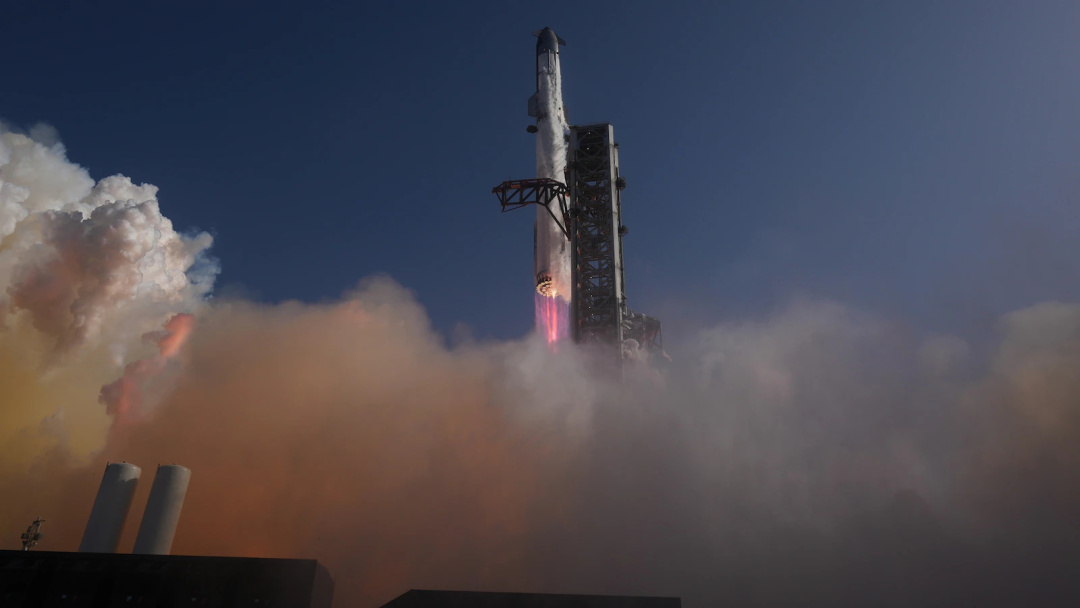
In a stunning legal maneuver that has environmentalists shaking their heads, U.S. District Judge Fernando Rodriguez Jr. has decided that the Trump administration's plan to hand over more than 700 acres of wildlife refuge to SpaceX is entirely above board. The judge dismissed calls for a preliminary injunction, suggesting that claims of ecological doom were as weak as a SpaceX rocket on a rainy day.
This land swap, part of a package deal that sees SpaceX surrendering a portion of its private property for federal land in the Lower Rio Grande Valley National Wildlife Refuge, has quickly turned into a hotbed of controversy. Environmental groups, including the Center for Biological Diversity, have vowed to continue their legal fight, insisting that the ecological footprint of this transaction is anything but insignificant.
Still Beats Watergate:
Sponsor success. Continue reading:
Skeptics of the deal have pointed out that the judge’s ruling essentially clears the way for “bulldozers to tear into this wildlife refuge” under the guise of progress. Laiken Jordahl, a spokesperson from the Center for Biological Diversity, made it clear that they would not back down easily, claiming the lands hold tremendous spiritual and ecological value. One has to wonder, in a world where a billionaire can transform a refuge into a private playground, what exactly is left sacred?
The U.S. Fish and Wildlife Service greenlit this exchange, claiming it would benefit conservation efforts and improve habitat connectivity. However, critics are left to ponder: how does giving public land to a private company equate to conservation? The judge's ruling, which stated that the plaintiffs offered “relatively weak” evidence of environmental harm, has only fanned the flames of dissent.
Corporate Interests vs. Environmental Protection
This ruling doesn't just affect the flora and fauna of South Texas; it casts a shadow over the future of conservation in a country increasingly under corporate influence. The judge's comments suggest that SpaceX's contractual obligations take precedence over ecological concerns, a notion that raises more than a few eyebrows in an age where sustainability is supposedly key.
As the legal battle continues, one must ask: when did a rocket company's expansion plans become more important than the preservation of irreplaceable ecosystems? Perhaps the next chapter in this saga will see legal arguments battling it out with bulldozers in a courtroom that resembles a sci-fi movie set, complete with environmentalists donning capes as defenders of nature against corporate giants.
The Unfolding Drama of Land and Law
As the dust settles on the courtroom, the implications of this ruling are bound to resonate far beyond the Texas border. Environmentalists are already gearing up for round two, determined to uphold the sanctity of their beloved wildlife refuge against the encroachment of commercial interests. It seems we are witnessing a new chapter in the ongoing saga of land rights versus corporate greed.
The question remains: how many more environmental battlegrounds will emerge as corporations like SpaceX continue to expand their horizons? With the stakes so high, one can only hope that sanity prevails, and that the bulldozers will be held at bay long enough for the legal system to catch up with the realities of conservation and public interest. As for Judge Rodriguez's ruling, it may just be the spark that ignites a larger movement to protect our natural treasures from being transformed into private cash cows.