Senate Democrats Block Husted's Efforts to Regulate Data Center Costs
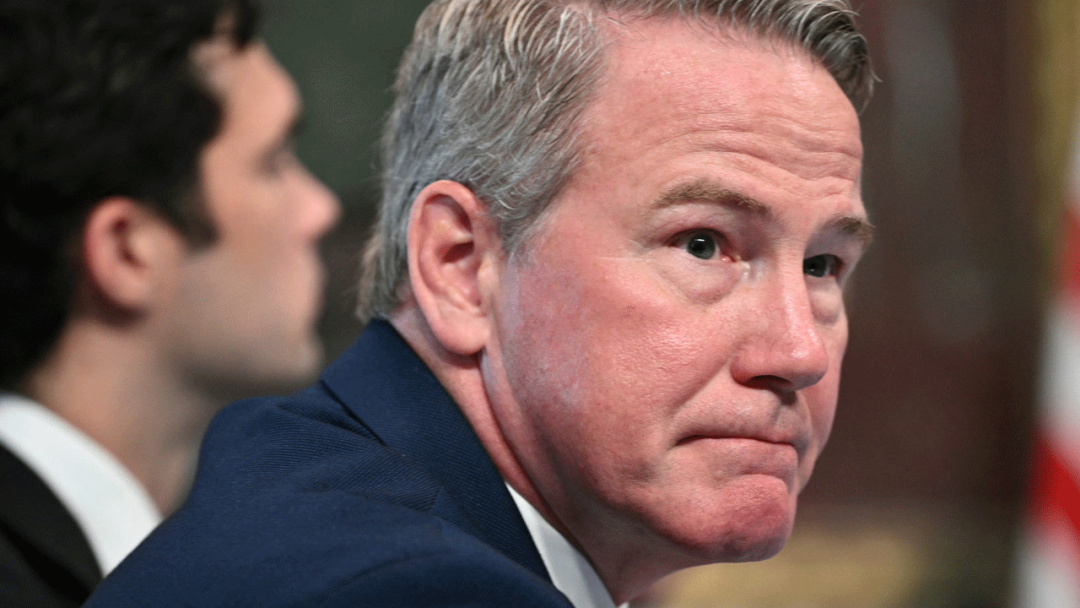
In the latest episode of political theatrics, Senate Democrats have decided that the best course of action is to block Senator Jon Husted's unanimous consent request concerning data centers and their burdensome costs. Husted, a Republican from Ohio, is not just any senator; he’s in a special election, and his current move seems less about the well-being of electric ratepayers and more about positioning himself against the looming shadows of the Democratic opposition.
The Ratepayer Protection Act, introduced in July, was designed to tackle concerns around the financial impacts of data centers on local residents. Husted proclaimed from the Senate floor, "The Ratepayer Protection Act rests on a principle every American understands: Pay your own way." It’s a catchy line that aims to resonate with the everyday Americans who might be scratching their heads over the rising costs of their energy bills.
Still Beats Watergate:
Sponsor success. Continue reading:
What’s at stake here is more than just a legislative battle; it’s a classic struggle of political wills, where data centers become the latest battleground in the war for electoral support. Husted’s commentary on the expected surge of data centers in the coming years hints at a potential disaster for the average consumer who may be left holding the bag for Big Tech’s electricity needs.
The underlying message of Husted's bill is clear: as the demand for data centers grows, so should their responsibility to foot the bill for the infrastructure they require. However, Democrats, led by Senator Martin Heinrich, chose to object, insisting that Husted’s proposal "falls short" of addressing deeper issues. The irony of politicians arguing over who pays for what, while both sides are likely aware that their constituents are the ones who ultimately pay, isn’t lost on observers.
On the campaign trail, Husted is leveraging this rejection to stir up emotions among voters, painting Democrats as the enemies of fiscal responsibility. He’s taken to social media to rail against their obstruction, suggesting that they prioritize political games over the financial well-being of everyday Americans. It’s classic political maneuvering: use an electoral hot potato to rally support in an election year.
As the midterms approach, political operatives know the stakes. Husted's race against former Senator Sherrod Brown is being branded a toss-up, and with data centers becoming a talking point, both sides are digging in. The Democrats’ failure to support Husted’s bill will likely be framed as a betrayal of the very people they claim to represent.
The Campaign Trail Heats Up
With the rising costs of electricity and the financial strain that families are experiencing, the implications of this legislative battlefield extend beyond just policy. It’s about image, votes, and the future of campaigns as both parties navigate the treacherous waters of public opinion.
As Husted continues to position himself as the champion of ratepayers, Democrats must contend with the narrative forming around them. Their resistance may be seen as a tactical blunder, giving Husted a rhetorical weapon he can wield during debates and in advertisements. It’s a game of chess on a political board that has never been more complex.
The fallout from this decision could shape the upcoming elections, as voters will have to decide who they believe will ultimately shoulder the burden of their rising energy costs. In this high-stakes political drama, where the electricity needed to power tech giants hangs in the balance, the true victims may end up being the very constituents both parties seek to court.
A Showdown of Ideals and Interests
In a world where rhetoric often takes center stage, Husted’s push for the Ratepayer Protection Act may resonate in ways that extend beyond immediate policy discussions. The drama unfolds like a well-scripted play, with each act revealing a deeper insight into the political motivations at play as both Democrats and Republicans vie for the hearts and minds of voters. As the narrative continues to evolve, one thing is certain: the intersections of policy and politics will keep voters on their toes as they navigate yet another tumultuous election cycle.