Trump's AI Regulation Rejection: A Conspiracy to Benefit China?
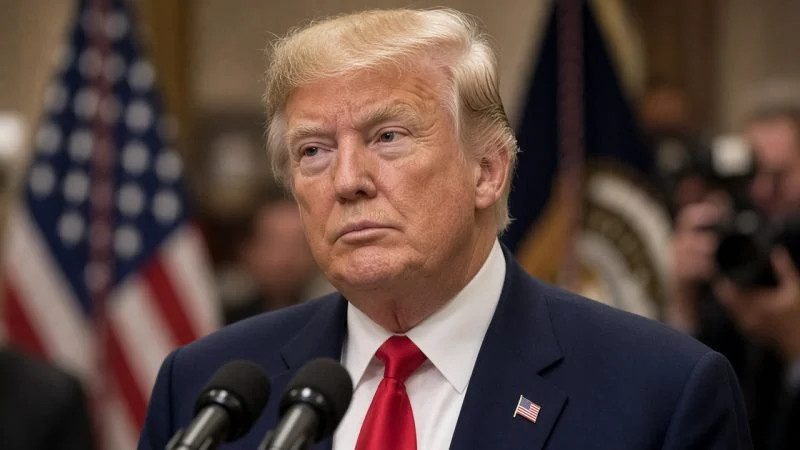
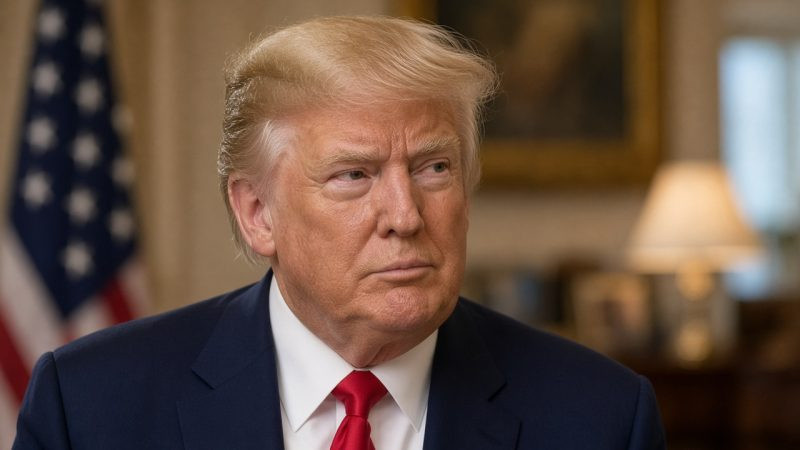
President Trump has once again made headlines for all the wrong reasons, rejecting calls for regulatory oversight on artificial intelligence, a decision he claims is aimed at thwarting what he calls a 'sick conspiracy' designed to bolster China's technological ambitions. This controversial stance comes just days before a pivotal meeting with Chinese President Xi Jinping aimed at tackling the intricate web of U.S.-China tech relations.
The timing of Trump's pronouncement is anything but coincidental. Scheduled for September 24 in Washington, the upcoming summit will focus heavily on AI competition and chip export policies, both of which are crucial battlegrounds in the ongoing technological rivalry between the two superpowers. Trump's disdain for regulatory measures stands in stark contrast to the views expressed by industry leaders just prior to his announcement.
Still Beats Watergate:
Sponsor success. Continue reading:
Notably, Anthropic CEO Dario Amodei recently published an op-ed advocating for a cautious approach to AI development until adequate safety measures are in place. He is backed by influential figures such as OpenAI's Sam Altman and tech mogul Elon Musk, who have all called for a more responsible approach to the rapid advancement of AI technologies. Yet, instead of heeding these calls, Trump chose to attack their viewpoints directly, singling out Amodei and ridiculing the notion that a measured pace of development might be wise.
According to the president, the best safeguard against potential AI risks is strong leadership, not cumbersome regulations or new agencies. In his eyes, executive discretion is all that’s needed to navigate the complexities of AI. This is not the first time Trump has taken steps to roll back protections; upon his return to office, he swiftly dismantled Biden-era regulations designed to ensure reporting and risk assessments for AI technologies, instead prioritizing speed and competitiveness.
Chinese officials have seized on Trump's rhetoric, framing U.S. proposals for AI safety as instruments of containment rather than genuine safety measures. This sets the stage for a complicated negotiation landscape as Trump prepares to discuss AI norms and tech export restrictions with Xi. The contrast between advocating for American dominance in AI while publicly dismissing safety concerns creates a paradox that could complicate any discussions of international tech standards.
Implications of Trump's AI Strategy
As the summit looms, the stakes couldn’t be higher. Trump's approach to AI regulation not only affects domestic companies but also has broader implications for international relations and market dynamics. Major players like Nvidia, whose fortunes are tied to AI demand, will be closely monitoring any shifts in chip export policies. A more lenient stance could open up new markets, while tightening restrictions might push industry leaders to reevaluate their strategies in a rapidly changing landscape.
In an administration that views regulation as a conspiracy theory, compliance costs and restrictions seem unlikely to materialize soon for domestic AI firms. However, the consortium of tech giants advocating for regulatory guardrails isn’t going away. Comprising industry leaders from the world’s forefront AI laboratories, their push for oversight indicates a significant division in how the tech community perceives safety and accountability.
Applied to you
With Trump’s trajectory firmly set against any form of AI regulation, the coming weeks promise to escalate tensions not just in U.S.-China relations but within the technology sector itself. As the clock ticks down to the summit, how both nations navigate this divide will ultimately shape the future of AI development and its global implications.
Your takeaway: Trump's dismissal of AI safety norms poses significant risks to both U.S. tech leadership and international cooperation, highlighting the delicate dance between regulation and innovation. With global stakes at play, the outcome of the impending summit could set a precedent that reverberates across the tech landscape for years to come.