Rahm Emanuel Proposes New Policy of Conditional Support for Israel: Only When Convenient
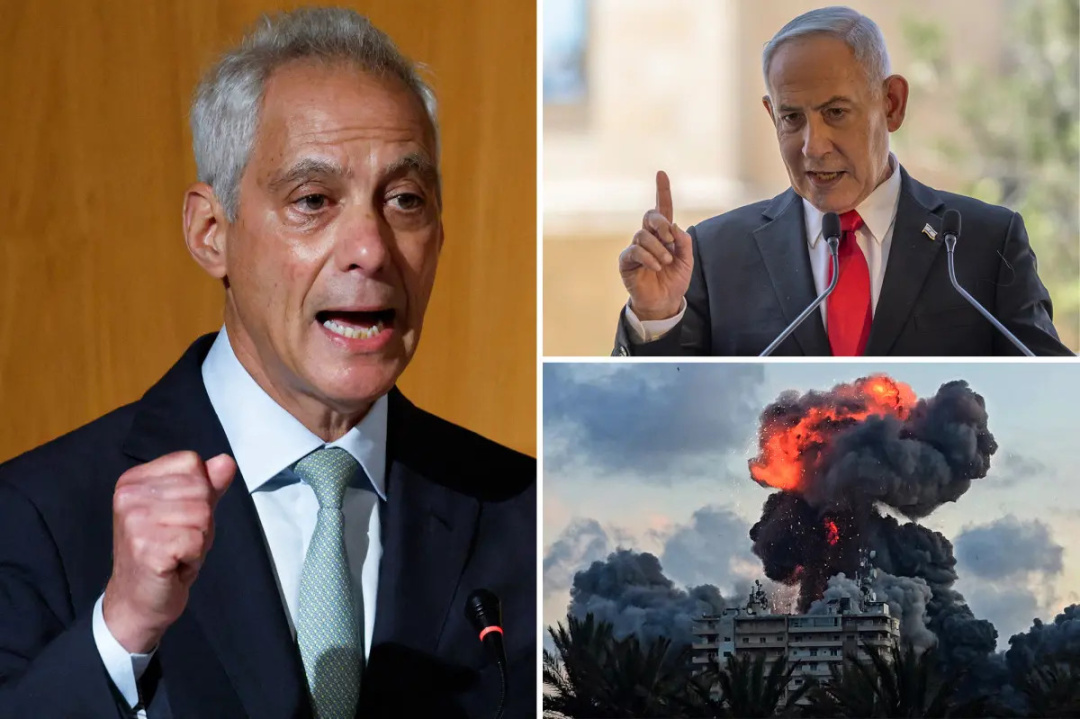
In a bold move that has stunned political analysts and casual observers alike, former Chicago mayor Rahm Emanuel has called for an end to America’s traditionally unconditional support for Israel. Instead, he advocates for a new approach: conditional support, with the conditions being as flexible as a seasoned yoga instructor. This revelation came during his recent charm offensive in Tel Aviv, where he likely hoped to dazzle the locals with his unique blend of political opportunism and diplomatic footwork.
Emanuel, who has his eyes set on the 2028 Democratic presidential nomination, believes that American support for Israel should be contingent upon certain factors, such as the weather, the day of the week, or how well his last campaign fundraiser went. In what can only be described as a masterclass in political gymnastics, he proposes that support be granted only when it is most strategically advantageous. After all, nothing says steadfast ally like a little conditional love, especially when voters back home are watching.
Still Beats Watergate:
Sponsor success. Continue reading:
The former mayor's remarks have set off a wave of reactions from both political allies and foes. Some are lauding his refreshing honesty, while others are questioning his timing and motives. It’s almost as if Emanuel is attempting to redefine the very essence of political loyalty. Why support an ally unconditionally when you can dangle the promise of support like a carrot in front of a horse that hasn’t run in a while?
While Emanuel’s suggestions may sound revolutionary, they reflect a broader trend in today’s political theater where loyalty is but a negotiable asset. “I mean, who really needs a consistent foreign policy when you can have a fluid one?” said one unnamed source as they masterfully navigated the intricacies of political correctness while dodging the fallout of Emanuel's comments.
In a press briefing that followed, the White House quickly distanced itself from Emanuel’s remarks, emphasizing that the administration has no plans to alter its stance on Israel, unless, of course, the polls suggest a shift could be beneficial. They also reminded everyone that Emanuel’s suggestions were his own and not reflective of the administration's ongoing commitment to foreign relations, which is as stable as a house of cards on a windy day.
As the 2028 election looms ever closer, Emanuel’s call for a rethinking of American support for Israel raises the question: what else might he condition in his campaign? Perhaps he’ll propose that voters only support candidates who promise to lower taxes when it’s sunny outside. After all, who wouldn’t want a little sunshine in their political dealings?
So, as we watch this political drama unfold, perhaps we should all take a moment to appreciate the artistry of it all. With Emanuel leading the charge, we’re bound to witness more acrobatics in political rhetoric, where the only constant is the ever-changing conditions that govern our leaders’ promises. In this circus of governance, the only thing we can be sure of is that the show will go on, with or without a safety net.