Trump and Xi Set to Juggle Tariffs in Upcoming White House Summit
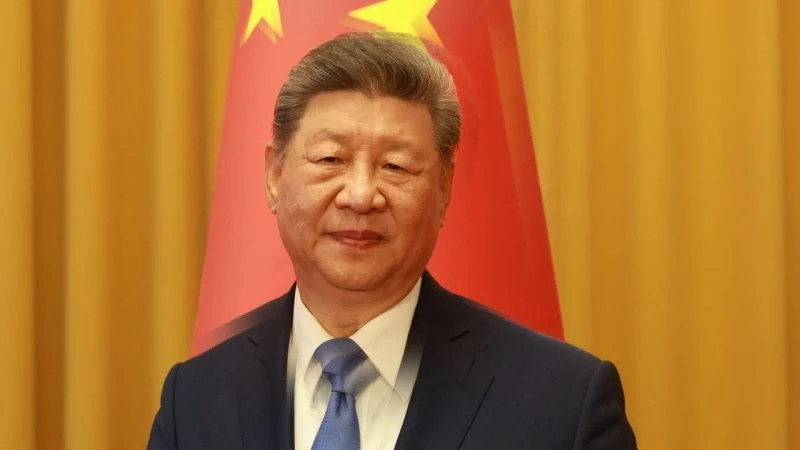
In what might be the most ambitious diplomatic juggling act since juggling flaming torches while riding a unicycle, President Donald Trump is set to host China's President Xi Jinping at the White House on September 24. The two leaders will attempt to extend a precarious tariff ceasefire that is on the brink of collapsing faster than a poorly constructed trade agreement. The stakes are high, with soybeans, rare earths, and AI safety all up for discussion, illustrating just how many national interests can fit into one Oval Office meeting.
This summit arrives as the so-called Busan truce faces its November expiration date, and both parties seem keen on keeping their fragile detente intact—if only to avoid another round of economic fisticuffs that could send markets spiraling into chaos. The deal, reached in late October 2025, serves as a mutual pause button, allowing both sides to avoid escalating tariffs and export controls. In return, China has promised to bolster its purchases of U.S. goods, specifically agricultural products.
Still Beats Watergate:
Sponsor success. Continue reading:
The current arrangement obliges Beijing to purchase a whopping 25 million metric tons of U.S. soybeans annually through 2028, along with an additional $17 billion in agricultural goods. That's right, folks! Nothing says international diplomacy quite like a few tons of soybeans and a side of Boeing aircraft orders. Will Trump and Xi manage to extend this arrangement before it goes the way of the dodo? Only time will tell.
The summit will mark the second direct encounter between Trump and Xi this year, following their first meeting in May 2026 in Beijing, where both leaders seemed to agree on one thing: if they can work together, they could avoid unleashing a trade war that would make the Great Depression look like a picnic. Preparatory talks held just days before the summit have paved the way for negotiation in three key areas: extending the tariff relief established by the Busan agreement, creating more durable supply arrangements for rare-earth materials, and negotiating reciprocal tariff reductions on approximately $30 billion worth of goods that aren’t considered sensitive.
Trade-offs and Political Pressures Ahead
However, it’s worth noting that U.S. officials have already dismissed any chance of trading export-control relief in exchange for mineral supply commitments. That means no easing of restrictions on advanced semiconductor technology for a promise of guaranteed rare-earth flows from China. Sorry, tech stocks, looks like you’ll have to wait a bit longer for that breakthrough.
Alongside all this, agricultural states that provide soybeans and other commodities to China are keeping a watchful eye on the proceedings, with midterm election optics in mind. The last thing the administration wants is for its base to feel the sting of dwindling export markets. Xi, arriving with a Chinese business delegation, signals that this meeting isn't just about pomp and circumstance; it’s also an economic engagement exercise that could cement or dismantle the fragile relationship between the two economic giants.
Applied to you
For the markets, the agriculture and commodity sectors will be the immediate barometers of success or failure from this high-stakes gathering. If Trump and Xi can come away with a confirmed extension of tariff relief, it might stabilize the trade flows supporting soybean and grain futures pricing. But if they leave empty-handed, watch out: the fallout could leave investors scrambling for cover.
As the two leaders prepare to step into the White House, one can only imagine the discussions that will unfold. Will they successfully maintain the status quo, or will the carefully balanced truce come crashing down, sending ripples through the global economy? Stay tuned, as the world holds its breath and markets hold their wallets.