Middle Powers Trade Alliances Amid Trump's Foreign Policy Whirlwind
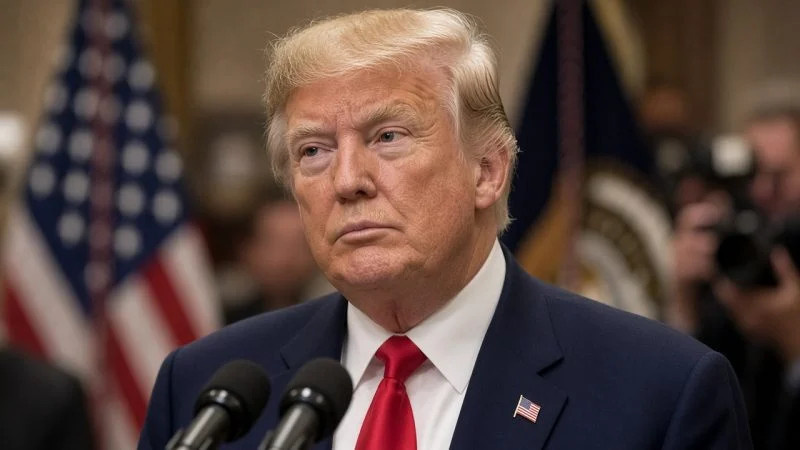
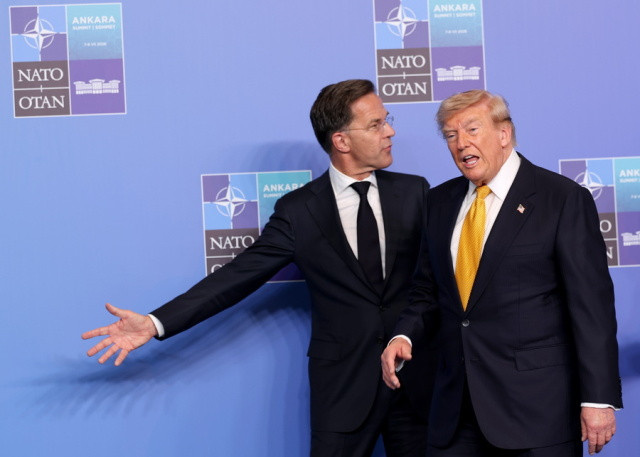
In a world where political stability is as fleeting as a Snapchat story, middle powers like Canada, Australia, and Japan are reportedly scrambling to forge new alliances. With President Trump’s unpredictable foreign policy resembling a game of Jenga, these nations are recalibrating their diplomatic ties in a bid to survive the chaos that seems to emanate from Washington. According to reports, as the U.S. continues its high-stakes rivalry with China, other countries are looking to establish their own security partnerships, leaving previously stable alliances like NATO feeling a bit shaky.
The Guardian recently highlighted how the volatility of Trump's decisions is prompting concerns among these middle powers. They are not merely looking for friends; they are seeking reliable partners in a world where the U.S. seems to be playing fast and loose with international norms. As these nations explore alternative coalitions, the implications for existing diplomatic ties are significant. It’s almost as if they’re at a party where the host (Trump) keeps changing the rules mid-game, leaving everyone else to decide whether to stay or seek refuge in a quieter corner.
Still Beats Watergate:
Sponsor success. Continue reading:
Among the most pressing concerns is the potential impact on the U.S.-Iran negotiations set for 2026. With the climate of uncertainty driven by Trump’s confrontational stance, the likelihood of a comprehensive agreement seems to be dwindling faster than the guest list at Trump’s latest rally. Market analysts are already suggesting that the current geopolitical climate is making it harder for the U.S. and Iran to find common ground, especially with critical issues like Reconstruction Funding now on the table.
As if the situation weren’t complicated enough, future developments in U.S. foreign policy could further color the landscape of these negotiations. Observers should keep a close eye on the new alliances formed by these middle powers since they may fundamentally alter the dynamics of the U.S.-Iran talks. Any announcements from key figures like Emirati Political Scientist Abdulkhaleq Abdullah or mediators flowing in from the likes of Qatar and Pakistan will certainly stir the pot further.
In this environment of uncertainty, middle powers are beginning to realize that they can’t always rely on the U.S. to be their safety net. They are taking matters into their own hands, seeking alliances that may no longer be dictated by the whims of a single leader. As these nations navigate their own foreign policies, they are effectively saying, 'If you can’t count on the big guy in the corner, you better make sure you have a solid crew of your own.'
The New Game of Global Alliances
Every move made by these middle powers sends ripples through the global diplomatic pool. As they forge new partnerships, the very fabric of international relations is shifting. Countries once tethered to the U.S. may now find themselves exploring uncharted waters with new allies, potentially leading to a more fragmented global order. As they navigate this new terrain, the stakes are high, especially for negotiations like the U.S.-Iran deal, which are now hanging by a thread.
While middle powers look for stability, it’s clear that the unpredictability of U.S. policy under Trump might just be the catalyst they need to rethink their roles on the world stage. The question remains: will these nations come together to form a new coalition strong enough to withstand the storms of unpredictable leadership, or will they find themselves adrift, navigating the turbulent waters left in the wake of Trump’s foreign policy?
Your Takeaway
As the geopolitical landscape reshapes itself like a game of musical chairs, it’s clear that middle powers are attempting to find their footing amidst the tumultuous changes. Their search for new alliances not only highlights their growing concerns over U.S. reliability but also signifies a crucial moment in international relations where the dynamics of power may be shifting away from traditional superpowers. Watching how these alliances form and function will be key to understanding the future of global diplomacy, especially as we inch closer to pivotal negotiations like those with Iran.