Trump's Press Ban: A New Chapter in Media Control
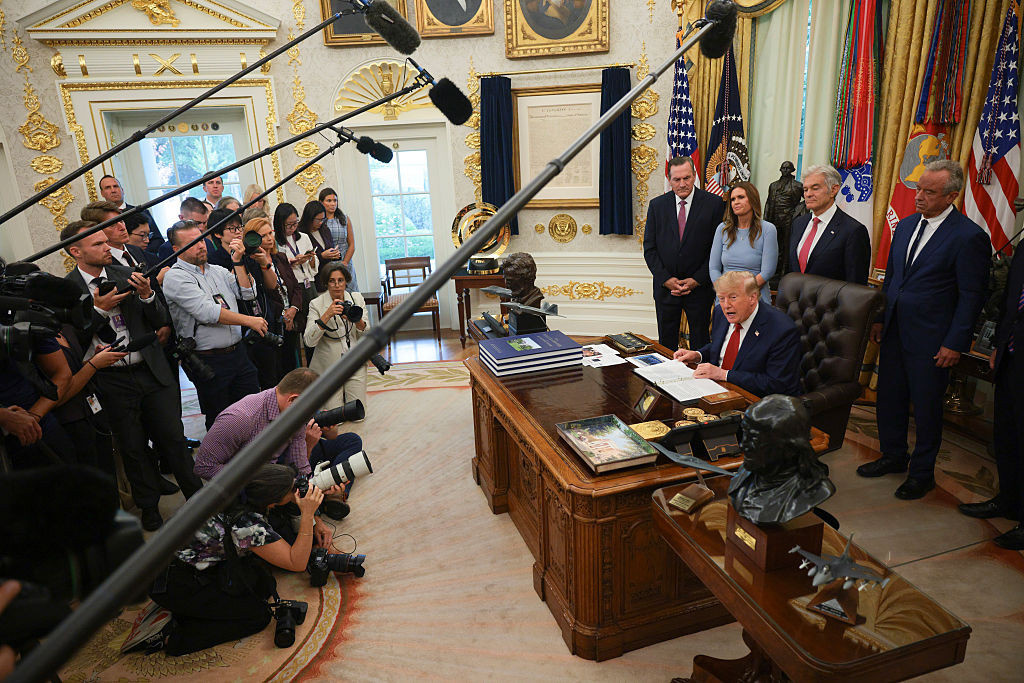
In a striking move that many are denouncing as a blatant attempt to stifle dissent, the White House has begun enforcing President Donald Trump's ban on reporters from CNN, MS NOW, and Politico. This new policy, initiated over the weekend, has seen journalists from these organizations turned away from the White House grounds, their press credentials confiscated or disabled without warning. The affected reporters included CNN's Betsy Klein, MS NOW's Akayla Gardner, and Cheyenne Haslett from Politico, all of whom faced the humiliation of being denied entry after navigating through security.
Gardner recounted her experience of being turned away after passing through two security gates, only to discover that her badge had been deactivated. Similarly, Klein and Haslett faced the same fate, with Politico characterizing the ban as a direct affront to journalistic integrity and freedom. This latest crackdown extends well beyond mere access to press briefings; it effectively strips these reporters of their workspace and access to vital areas within the White House complex.
Still Beats Watergate:
Sponsor success. Continue reading:
The roots of this ban stem from Trump's accusation that these outlets produce "FAKE NEWS," a familiar refrain from the president when reacting to coverage he deems unfavorable. In a video announcement shared on Truth Social, Trump hinted that this might just be the beginning, suggesting that other media outlets could soon face similar restrictions. His reasoning appeared vague, referring to a "cumulative" aversion to the negative press he has received over the years, rather than citing any specific incidents.
CNN has categorically condemned the ban, labeling it an "illegal assault" on their constitutionally protected rights, while Politico vowed to "vigorously defend" its First Amendment rights. MS NOW echoed the sentiment, stating it would take all necessary steps to protect its journalists against this unprecedented move. One can only imagine how many press organizations are nervously checking their credentials after this latest development.
Adding to the drama, the administration has a history of restricting access to other news organizations. This includes the Associated Press, which was barred from certain presidential events following its use of the term "Gulf of Mexico" after Trump mandated it be referred to as the "Gulf of America." The AP has since filed a lawsuit against the administration, signaling the growing tension between the press and the White House.
Implications for Press Freedom
The implications of Trump's press ban extend far beyond the immediate access of a few journalists. It raises serious questions about the administration's commitment to press freedom and transparency. By selectively banning reporters from certain outlets, the White House appears to be attempting to control the narrative and limit critical coverage. In a democracy, the press acts as a watchdog, holding powerful figures accountable and informing the public about government actions. Eroding that connection jeopardizes the very foundation of a free society.
As journalists and media organizations rally to defend their rights, this incident underscores the broader struggles between governmental authority and press independence. The repercussions of this ban could affect not just the targeted outlets but the entire media landscape, creating a chilling effect that may discourage rigorous reporting and dissenting voices.
Your Takeaway
As we watch this unfolding situation, it's crucial to remember the essential role of a free press in our democracy. The fight against media suppression is not just about the organizations involved but about the public's right to know. The outcome of this battle will have repercussions that will resonate far beyond the White House, influencing how media operates and how citizens receive information in the future. The stakes are high, and the implications for accountability and transparency in government cannot be overstated.