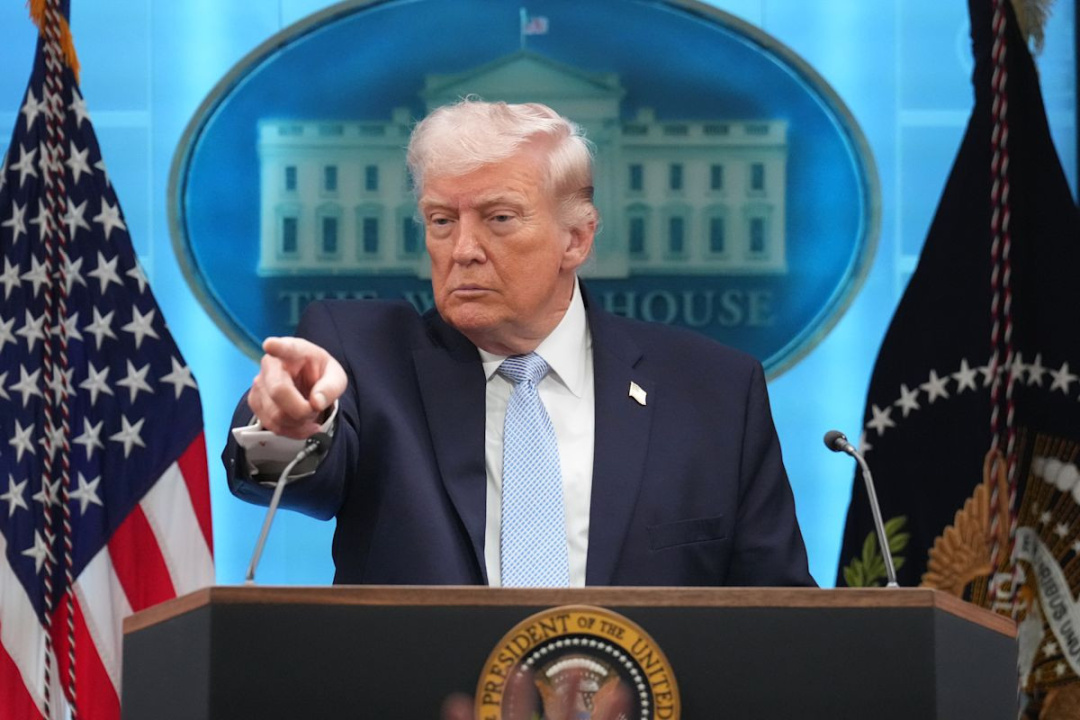
Trump's Ban on CNN and Politico Sparks Outrage from Former Press Secretary
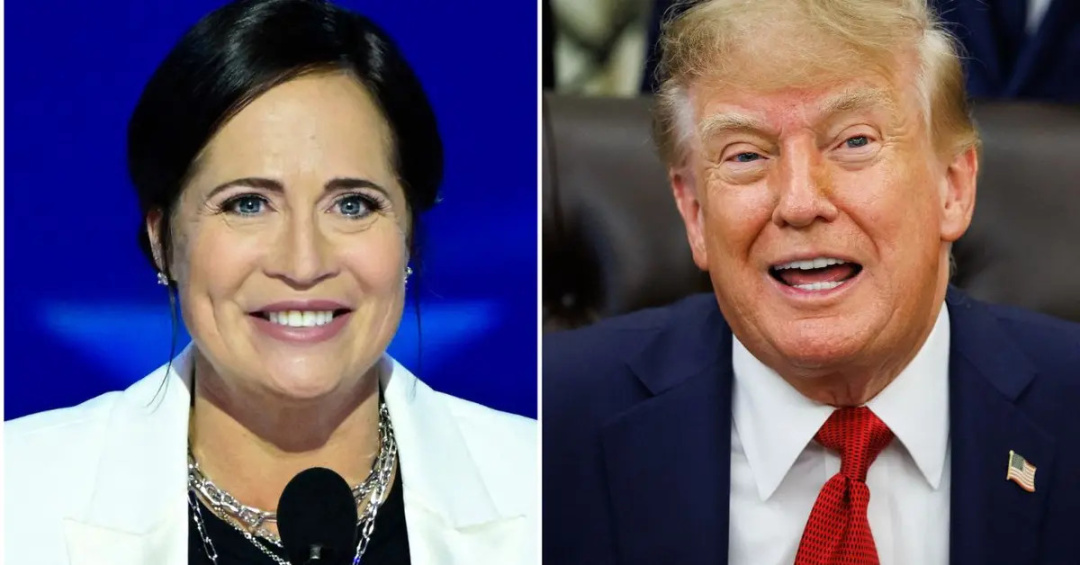
In a bold display of his continuing feud with the press, Donald Trump announced on Truth Social that he would be banning CNN, MS NOW, and Politico from the White House, effective immediately. The former president expressed his disdain for what he termed 'Fake News' and declared that these media outlets should not be allowed to report on his administration's activities. This declaration has raised eyebrows, especially from those within the media and political circles who wonder about the implications of such a restriction on press freedom.
Trump made his announcement on September 18, preceding the actual enforcement of the ban the next day. He described the decision as a response to what he views as relentless dishonesty in reporting about his presidency. "Media Outlets shouldn't be able to constantly write or report FICTION and LIES when they're covering the President of the United States," he stated vehemently. For anyone keeping track, this is yet another episode in Trump's ongoing saga with media entities he deems unfavorable.
Still Beats Watergate:
Sponsor success. Continue reading:
In the wake of this announcement, Stephanie Grisham, who served as Trump's Press Secretary from 2019 to 2020, chimed in with her own thoughts on the matter. During an appearance on CNN, Grisham shared her disbelief about the ban yet revealed it wasn't entirely unexpected. She admitted that during her own tenure, she had faced pressures to limit media access, making her all too familiar with the internal dynamics of the Trump administration's relationship with journalists.
Grisham recounted her struggles in attempting to get rid of the press corps entirely, an objective that she claims Trump has now revived with this latest ban. "He wanted everybody kicked out," she remarked, pointing to a deeper disconnection between the Trump administration and the media landscape. Her comments suggest that the current situation may be reflective of a broader trend wherein access to information is increasingly controlled by those in power.
Concerns Over Accountability and Priorities
"It sure doesn’t seem like anyone inside the White House is pushing back against this media ban," Grisham noted. She expressed concern that Trump's inner circle may consist solely of sycophants who fail to challenge his decisions. This raises questions about the health of democratic dialogue and accountability, especially at a time when many Americans are grappling with pressing economic issues.
Grisham also highlighted the economic challenges facing Americans today, a reality that she feels Trump is oblivious to. "People can't afford groceries," she lamented, implying that the focus on media restrictions detracts from addressing real-world issues affecting constituents. She emphasized that the administration's priorities appear misaligned with the urgent needs of everyday citizens, suggesting that such distractions from policy and governance might be detrimental in the long run.
Your takeaway
As the media landscape continues to evolve, the implications of Trump's media restrictions cannot be underestimated. Grisham's perspective offers insight into how these actions may not only affect the press but also the broader democratic values that underpin American society. Ultimately, as freedom of the press is a critical pillar of democracy, concerns regarding its encroachment warrant serious consideration from both political leaders and the public alike. This development serves as a stark reminder of the delicate balance between governance and media transparency.
As this saga unfolds, it’s crucial for citizens to remain vigilant and engaged with the narrative surrounding press freedom. Grisham’s comments underline a significant tension between media access and executive power, a dynamic that could shape the future of how information is disseminated in the United States. With issues like access to basic necessities weighing heavily on the minds of Americans, perhaps it’s time for a broader conversation about media’s role in democracy and governance. As we continue to navigate these political waters, one thing remains clear: the relationship between the press and the White House is as contentious as ever, and its impact on the American populace is profound.