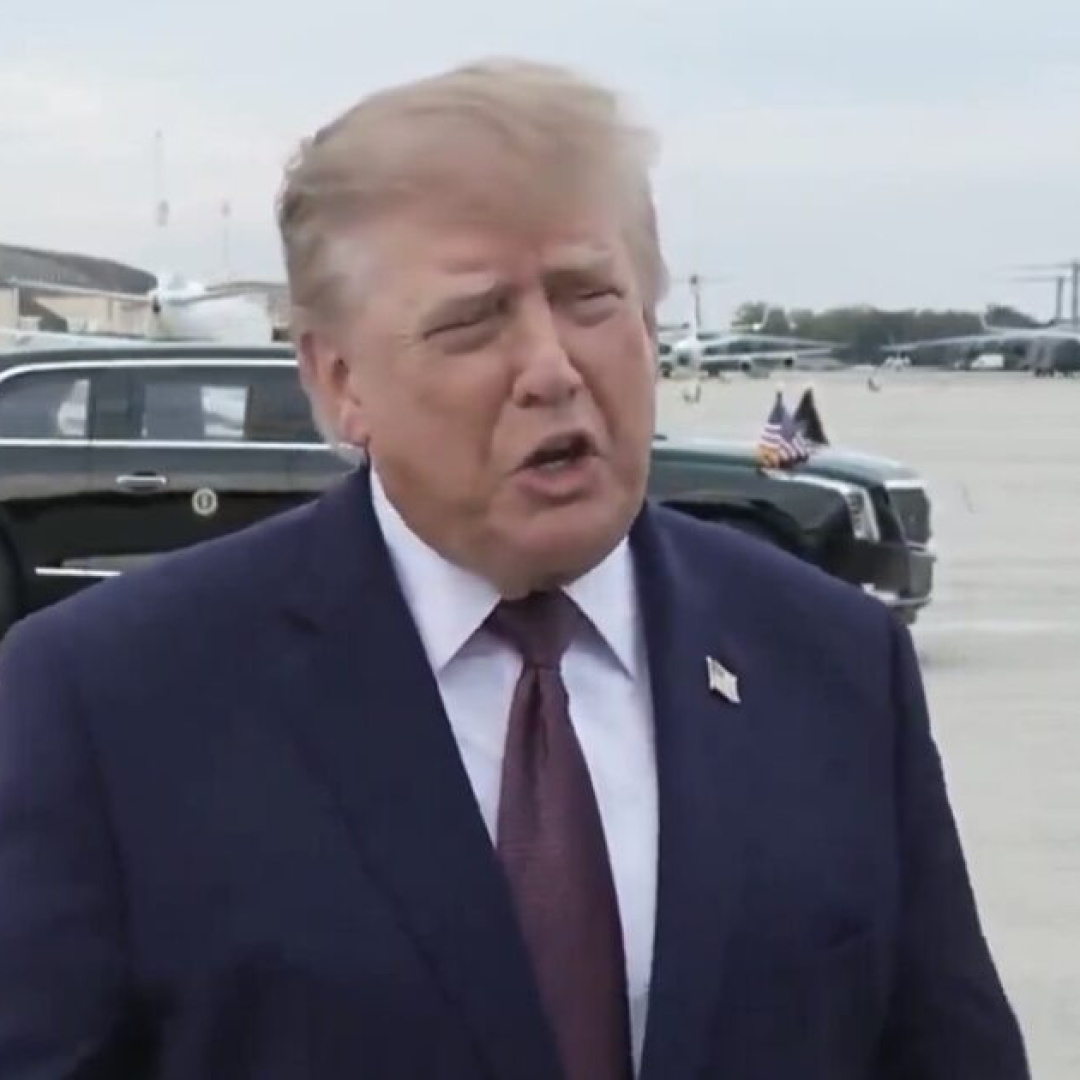
Trump's Executive Order to Control NIH Grants Sparks Controversy
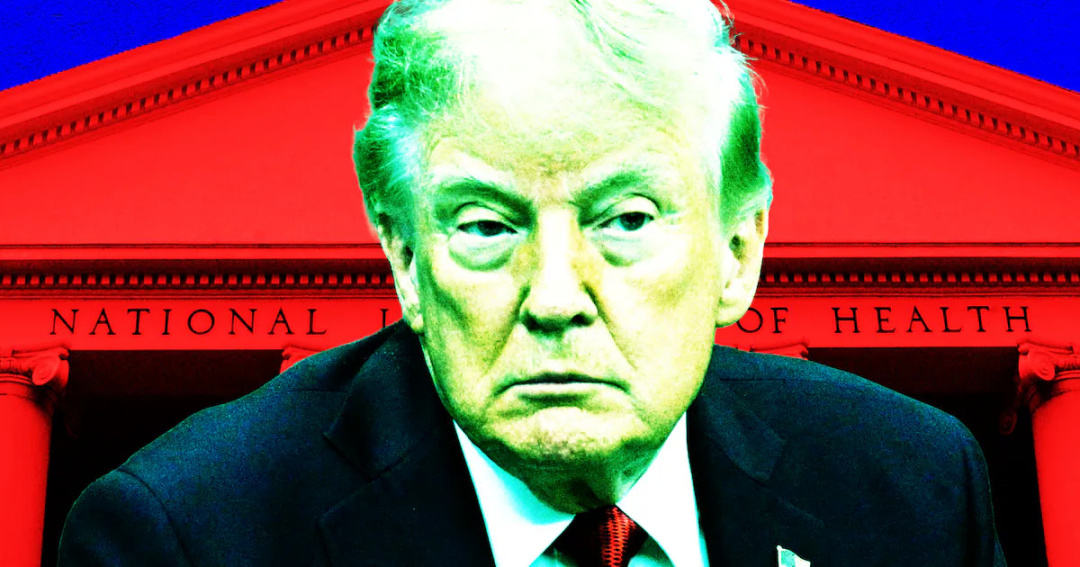
In a fresh twist on executive overreach, President Donald Trump is reportedly drafting an executive order that would significantly expand his administration's control over billions of dollars designated for scientific research grants. The potential order, which has emerged from a recent convening of White House officials, including Trump himself, could create an external committee empowered to veto National Institutes of Health (NIH) grant proposals.
During a meeting this past Friday, Trump allegedly instructed his budget director, Russ Vought, to prepare the framework for this new oversight board. This initiative is perhaps as ambitious as it is controversial, as lawmakers on Capitol Hill have already expressed their disapproval of efforts to hand political appointees authority over federal health grants. In fact, a provision included in the recent stopgap funding bill specifically prevents the administration from granting such powers to political appointees, a clear pushback against Vought's earlier maneuvers to tighten control over NIH funding.
Still Beats Watergate:
Sponsor success. Continue reading:
The new power grab is not without its targets; the administration seems particularly fixated on research funding at Harvard University. A long-standing adversary of the Ivy League institution, Trump has reportedly sought to slash its funding, especially after a court ruling favored Harvard in a dispute over federal grant allocations. During the aforementioned meeting, he famously pressed NIH Director Dr. Jay Bhattacharya to cut the university’s funding, only to be met with staunch resistance.
Tensions boiled over in the meeting as Vought—dubbed the “Grim Reaper” by the president—accused Bhattacharya of backing research initiatives that conflicted with the administration's priorities, particularly those related to diversity. Their ongoing clash highlights the broader ideological battle over how research funding is allocated and what kind of studies are worth pursuing. Amidst this chaos, a proposed veto board would require unanimous consent to approve grants, effectively placing significant power in the hands of an administration that has repeatedly shown its willingness to politicize science.
The Intersection of Science and Politics
As this executive order inches closer to reality, it represents yet another foray into the murky waters of federal funding where science meets politics. If pushed through, it would allow Vought to have a pivotal role in determining which scientific projects get funded, putting the NIH’s traditionally apolitical mission at risk. The proposed oversight could alter the course of biomedical research in the United States and stifle innovation in areas that may not align with the current administration’s agenda.
The Future of NIH Funding at Stake
As the administration faces mounting opposition, the implications of this potential order raise serious concerns about the integrity of the scientific process. By transforming the grant-making process into a battleground for political ideals, the Trump administration risks undermining decades of progress in biomedical research. The NIH, which distributes tens of billions in funding each year, could find its priorities skewed by a board that prioritizes political allegiance over scientific merit.
If this executive order comes to fruition, it will not only reflect a greater control of the Trump administration over federal research funding but could also set a dangerous precedent for future administrations. The line between science and politics appears thinner than ever, and for researchers, the stakes could not be higher. This power struggle may leave lasting impacts not just on funding but on the future of independent research in America, as scientists grapple with the implications of political oversight on their work.