Trump Administration's Sanctions on ICC: A New Chapter in Political Theatre
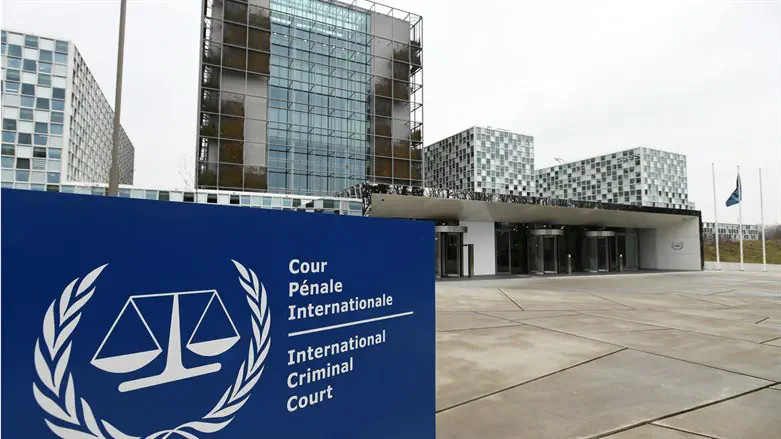
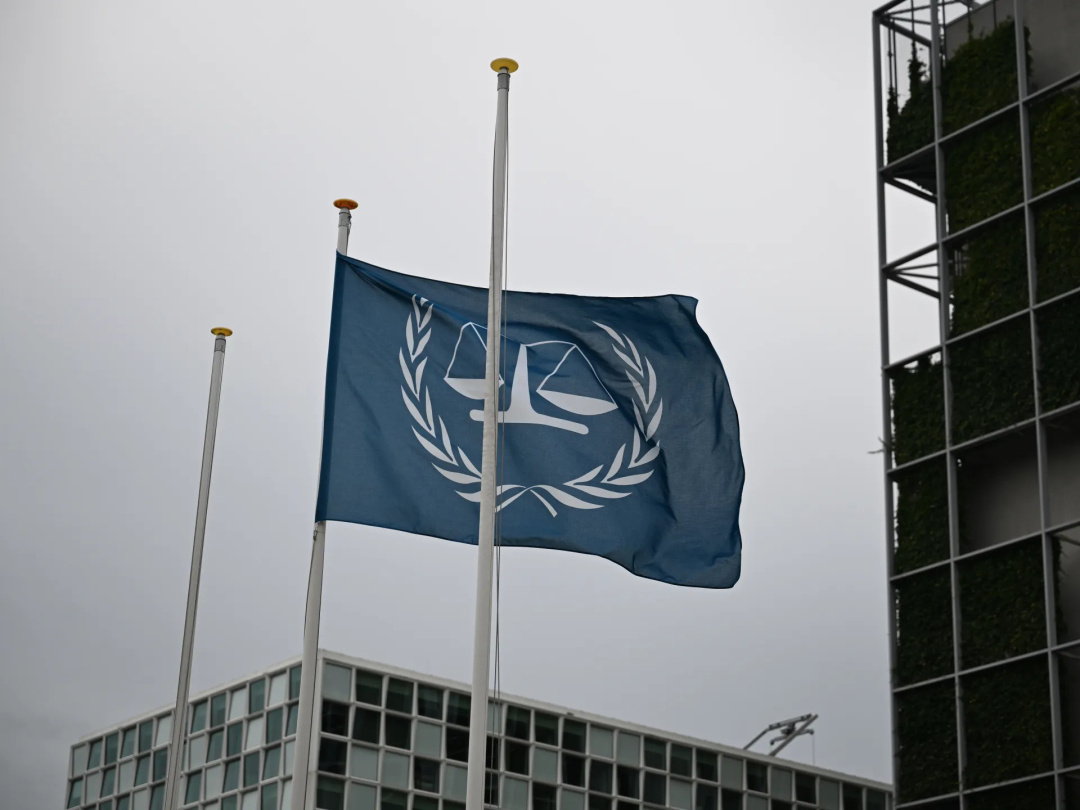
As if we needed another reason to check the pulse of international relations, the Trump administration is reportedly gearing up for a comprehensive round of sanctions against the International Criminal Court (ICC). According to reports from The Wall Street Journal, these sanctions could effectively put a stranglehold on the ICC’s ability to function within the global financial system. Ah, nothing gives a country a more robust sense of sovereignty than attempting to block a court from operating, right?
Under these proposed measures, which come with a six- to seven-month grace period (because who doesn't love a good countdown?), transactions involving the ICC could be outlawed. And if you thought the ICC was going to keep using US dollars, think again! The move, which coincides with the United Nations General Assembly this week, certainly seems designed to send a message: when it comes to international justice, the US has no intention of playing nice.
Still Beats Watergate:
Sponsor success. Continue reading:
But let's not forget the context of this latest political maneuvering. The Trump administration's sanctions are not just a knee-jerk reaction; they follow the ICC's issuance of arrest warrants for Israeli officials, including Prime Minister Benjamin Netanyahu. Apparently, the notion of holding leaders accountable for alleged war crimes in Gaza does not sit well with Washington’s strategy. After all, who needs accountability when you can impose sanctions instead?
Previously, the United States has already sanctioned at least 11 ICC officials—nine of whom are judges. These restrictions have included everything from asset freezes to travel bans. Now, with Secretary of State Marco Rubio stepping into the spotlight, the sanctions are being extended to ICC President Tomoko Akane and senior trial lawyer Abdoulaye Seye. Rubio claims their punishment is due to efforts aimed at prosecuting officials who lack consent for ICC jurisdiction. It’s all about protecting sovereignty, he insists, while threading the needle of international law with a delightful dash of irony.
For those keeping score, neither the United States nor Israel is a party to the Rome Statute that establishes the ICC. It was the Palestinian Authority that joined the court in 2015, giving it the power to examine alleged crimes in its territories. In essence, the ICC has become a political football, kicked by both sides of the aisle for different reasons, leading to a surreal landscape where legal accountability is a mere suggestion rather than a strict requirement.
With the internal shakeup at the ICC—Karim Khan, the former chief prosecutor, was recently ousted after misconduct allegations—the political stakes have only gotten higher. It seems that dismantling the ICC is not just a goal but a campaign strategy, with Rubio at the helm, painting American efforts to impede international investigations as heroic acts of defending American sovereignty.
Dismantling a Court or Just Playing Politics?
As the sanctions loom over the ICC, we have to wonder about the implications for international law and justice. Are we witnessing a calculated effort to undermine a legal institution that, while imperfect, serves as a check on global power? Or is this simply a political theatre intended to shore up support among Trump’s base by playing the role of the anti-establishment outsider willing to take on international institutions?
In a world where allegations of war crimes are bandied about and justice is often relegated to the back burner, this latest development begs the question: at what cost do we uphold the illusion of sovereignty? As the administration seeks to tighten the noose around the ICC, it remains to be seen whether this is a strategic masterstroke or a ham-fisted play that could backfire spectacularly in the international arena.
Your Takeaway
In the end, the Trump administration’s preparations to launch these sanctions against the ICC highlights a broader narrative about the intersection of politics and justice. It serves as a reminder that international law and accountability often take a backseat to political expediency. As this saga unfolds, one can only hope that the price of sovereignty does not come at the expense of justice for those who desperately need it.