Trump's Nationwide Medicaid Drug Pricing Plan Raises Eyebrows
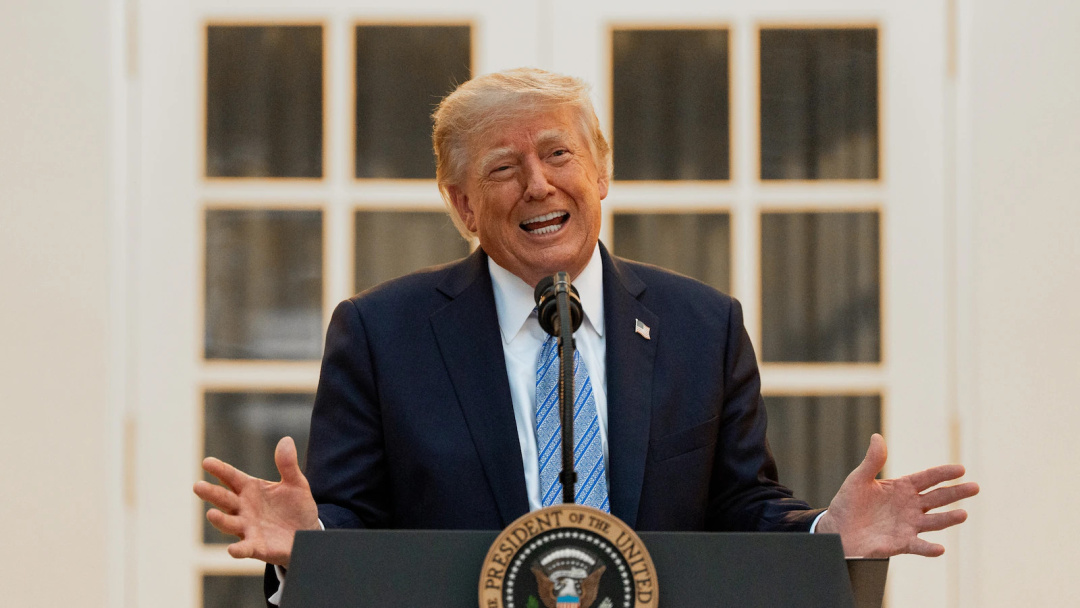
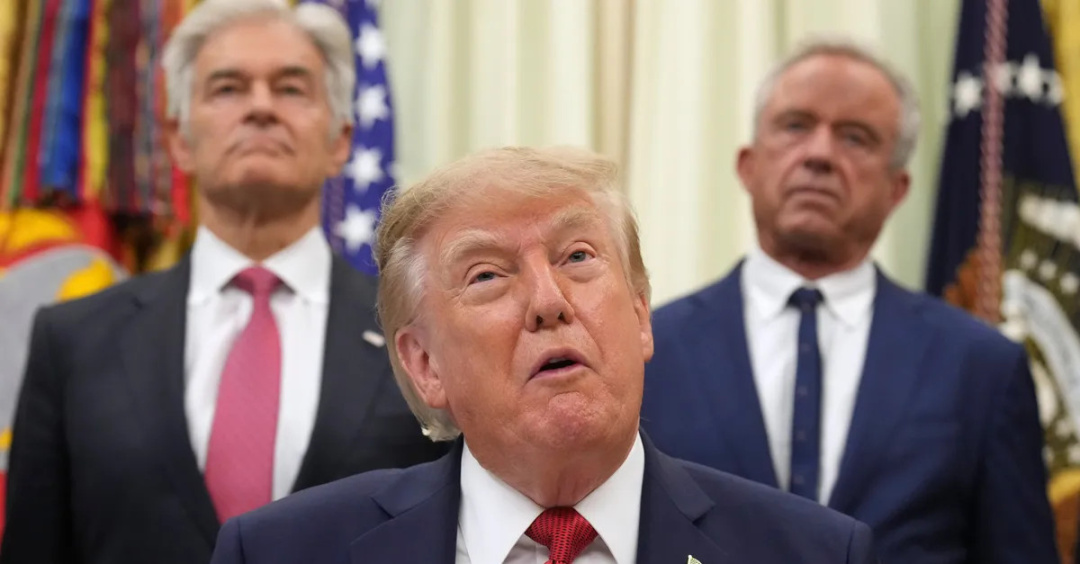
President Trump is preparing for a momentous announcement that will resonate across the nation: all 50 states are set to join a Medicaid program designed to provide most favored nation pricing for select drugs. This ambitious initiative, dubbed the Medicaid "GENEROUS" model, aims to align U.S. drug prices with those in other affluent countries, potentially reducing costs significantly for patients reliant on Medicaid. But as usual, the devil is in the details, and in this case, the details remain as elusive as a White House press briefing without spin.
According to the Trump administration, this move will save Medicaid billions, which sounds great on paper. Yet, as with many things in the current administration, the actual savings remain shrouded in ambiguity. The exact agreements between the government and pharmaceutical companies are locked away, leaving experts scratching their heads over the true potential for cost reductions. Kathy Hempstead, a senior policy advisor at the Robert Wood Johnson Foundation, emphasized the critical need for transparency, noting that the lack of public information makes it nearly impossible for Congress to evaluate or act on these claims.
Still Beats Watergate:
Sponsor success. Continue reading:
As the midterm elections loom, concerns about cost-of-living are paramount for voters, and Trump’s administration is keenly aware that healthcare often tops that list. The president's previous actions, including an executive order to enforce most favored nations pricing, underscore his administration's focus on lowering drug costs. However, how effective these measures will be in practice remains to be seen.
The Medicaid program, which assists low-income individuals, already requires minimal co-payments for prescriptions, but implementing lower drug prices could provide crucial relief for state budgets managing these programs. Yet, the lack of clarity around the proposed savings leaves little room for confidence.
J.D. Hayworth, a former Republican congressman and spokesperson for the Pharmaceutical Reform Alliance, commented that while the upcoming announcement represents progress, it’s evident that the work is far from complete. Millions of Americans, not just those enrolled in government healthcare, desire lower drug prices as well. The conundrum lies in balancing affordability with the intricate web of interests that drug pricing entails.
A Gamble on Transparency
Despite the administration's optimistic projections, skepticism abounds among healthcare policy experts. The White House has hinted at potential savings of $529 billion over the next decade, but the lack of supportive data raises questions about the reliability of such forecasts. Critics like Hempstead warn that without granular details, the projections are little more than sound bites designed to placate an anxious public.
Moreover, there are grave concerns about the longevity of these price cuts should there be a change in administration. With every policy change susceptible to reversal, many wonder whether these initiatives will have any lasting effect. The uncertainty surrounding the future of drug pricing and healthcare administration only adds to the public's anxiety.
As this announcement unfolds, voters will be watching closely. Will Trump's Medicaid drug pricing model deliver real change, or will it be just another promise that fades away? The clock is ticking as both the administration and the American people await answers, hoping to see real results that positively impact millions.
Your takeaway
In the realm of healthcare reform, clarity is crucial. As this Medicaid initiative rolls out, keeping track of its implications will be essential for understanding the broader impact on healthcare affordability and policy. With midterm elections approaching, the stakes couldn't be higher, and the pressure is on for the administration to prove that it's more than just political theater. Only time will tell if these initiatives can truly revolutionize drug pricing for those who need it most.