Trump Administration's Bold Moves Against International Criminal Court

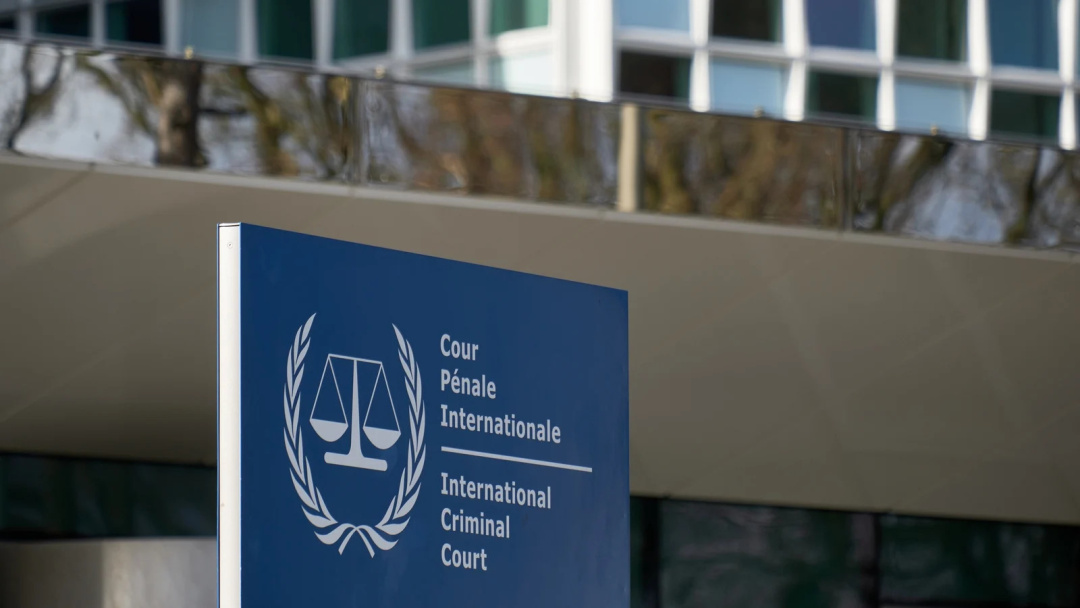
In a move that could only be described as a diplomatic power play worthy of a geopolitical soap opera, the Trump administration is preparing to slap sanctions on the International Criminal Court (ICC) itself, cutting off the institution from the dollar financial system. This bold escalation is expected to be announced around the week of September 20, 2026, conveniently coinciding with the annual UN General Assembly in New York. Clearly, the administration has decided that targeting individual ICC officials simply wasn't dramatic enough.
The ICC, a body that the U.S. has never deigned to join, has long been in the administration's crosshairs, particularly since Executive Order 14203 was issued back in February 2025. This order allowed the administration to impose sanctions related to investigations involving U.S. nationals and military personnel, declaring the court's authority over American citizens as an affront to sovereignty. Now, the administration is taking it a step further, sending a clear message that the ICC's attempts to probe into U.S. military conduct—especially in the context of Afghanistan—won't be tolerated.
Still Beats Watergate:
Sponsor success. Continue reading:
As of August 18, 2026, the U.S. had already sanctioned several ICC officials, including President Tomoko Akane and Senior Trial Lawyer Abdoulaye Seye, all for their involvement in investigations concerning non-consenting states. With at least 13 officials now on the U.S. sanctions list, the Trump administration's campaign against this institution is extensive, and rumors have it that the next phase will be a comprehensive institutional sanction.
The implications of this are nothing short of monumental. If the sanctions go through, U.S. persons and companies will be barred from conducting any financial transactions with the ICC. Imagine a legal system with its hands tied, unable to process payments or secure funding due to the whims of a foreign government. It's a scenario that raises eyebrows, especially for the 124 states still bound to the Rome Statute that established the ICC. They now face a dilemma: continue their support for the court and risk their own financial relationships with U.S. institutions or bow to American pressure.
Straining International Relations
Secretary of State Marco Rubio has been the leading voice behind this anti-ICC initiative, claiming that the court is a politicized entity that undermines American sovereignty. His rhetoric has ramped up not only sanctions but also a call to action for ICC member states to reconsider their commitments. In essence, the administration seems to be attempting to lead a boycott, coaxing countries like Venezuela and Chad to withdraw from the ICC—an effort that has seen some success.
This maneuvering raises questions about the future of international justice and the long-term consequences for U.S. foreign relations. The pressure campaign could potentially isolate the U.S. on the global stage, as nations reassess their alliances and obligations under international law. The administration's strategy, rooted in a perception of protecting American interests, could paradoxically lead to a more fragmented international community and strained relations with longtime allies.
Your takeaway
As this drama unfolds, it's clear that the implications stretch far beyond the courtroom. The potential for institutional sanctions against the ICC represents a significant shift in the U.S. government's approach to international law and justice. This development not only highlights the administration's priorities but also reflects a broader trend of unilateralism in foreign policy. The stakes are high, and the world will be watching as the Trump administration makes its next moves.