A Presidential Pardon for a Controversial Soldier Raises Eyebrows
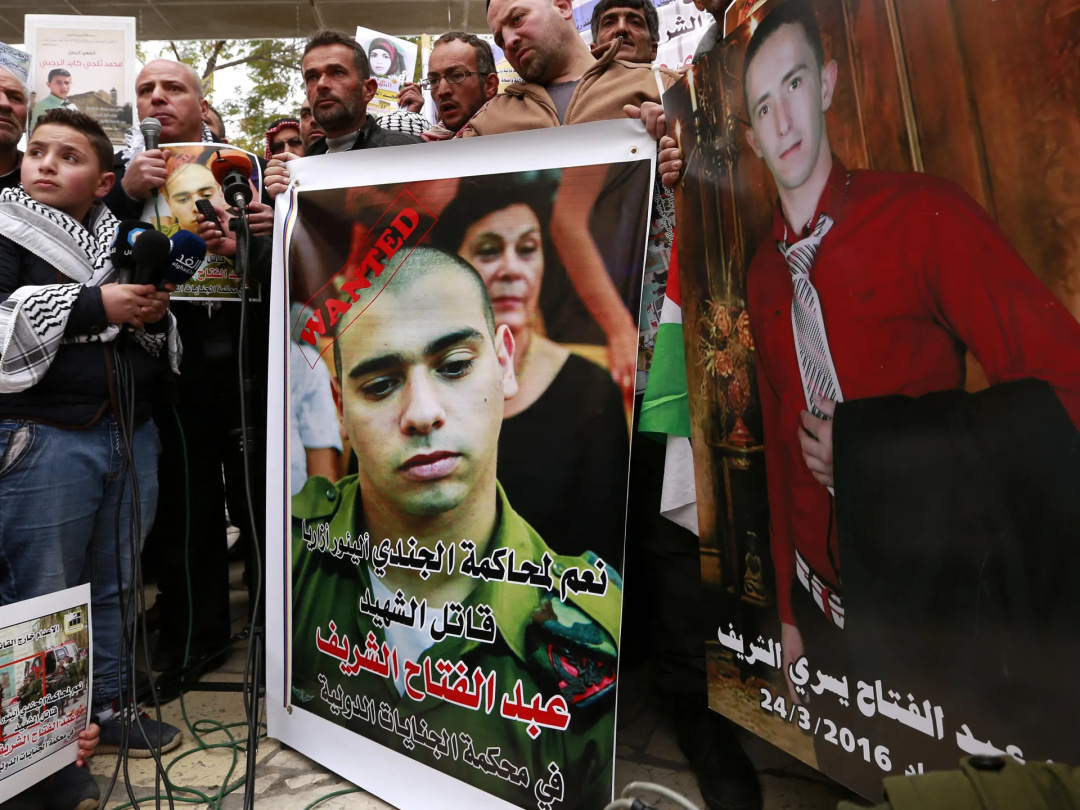
In a move that has sent shockwaves through the political landscape, Israeli President Isaac Herzog has pardoned Elor Azaria, the former soldier convicted of manslaughter for killing a wounded Palestinian in 2016. This decision, announced on Saturday, effectively erases Azaria's criminal record, a development that is seen by many as an endorsement of controversial military practices.
Azaria, who was an army medic at the time of the incident, infamously shot Abdel Fattah al-Sharif in the head while he lay incapacitated on the ground, having already been neutralized by Israeli forces after stabbing a soldier. The video of the shooting, which circulated widely, sparked outrage both domestically and internationally, with many condemning it as an extrajudicial execution.
Despite the backlash, Herzog's office justified the pardon by stating it considered the military's position but felt the circumstances warranted a second chance for Azaria. This has not come without its critics. Israeli army Chief of Staff Lieutenant-General Eyal Zamir and other senior officers expressed disapproval, citing Azaria's lack of remorse and responsibility for his actions over the past decade.
The timing of the pardon—coinciding with Yom Kippur, a day of atonement—adds a layer of complexity to the decision, as officials tried to frame it as an act of compassion. However, the Palestinian Ministry of Foreign Affairs condemned the pardon as a continuation of Israel’s culture of impunity and a mockery of justice for the victims of military violence.
Herzog's decision has drawn applause from right-wing politicians, including National Security Minister Itamar Ben-Gvir, who described the pardon as a heartfelt gesture that reassures Israeli soldiers of their government’s support. He even cheekily suggested that Prime Minister Benjamin Netanyahu, who is facing his own legal troubles, should receive a similar reprieve.
The international community has reacted sharply as well; the United Nations human rights office previously characterized Azaria's original sentence as excessively lenient. With the Biden administration recently barring Azaria and his family from entering the U.S., this latest development could further strain diplomatic relations, particularly as the world watches Israel's handling of military conduct and accountability.
The Broader Implications of the Pardon
As the dust settles, it’s clear that this pardon is not merely a personal matter; it has implications that echo far beyond Azaria’s private life. It raises critical questions about military ethics, the rule of law, and the responsibilities of those in power to protect all citizens, regardless of nationality. Herzog’s decision might well solidify a narrative that prioritizes military loyalty over justice, a sentiment that has been echoed by many in the far-right segments of Israeli society.
With the issue of military conduct in the spotlight, the conversations surrounding this pardon will likely continue to unfold, revealing the rifts within Israeli society itself. It’s a stark reminder that the past actions of military personnel cannot simply be erased, no matter how much political theater surrounds their narratives.
Your Takeaway
For many observers, this pardon serves as a potent symbol of the ongoing struggle between justice and military loyalty in Israel. It challenges those who advocate for human rights to keep pushing back against a system that often favors impunity over accountability. As the ramifications of Herzog’s decision unfold, it will be essential to monitor how this impacts both Israeli and Palestinian communities, as well as the international perceptions of Israel's military policy and conduct.















