Navarro Labels Media Criticism as Treason in White House Press Ban
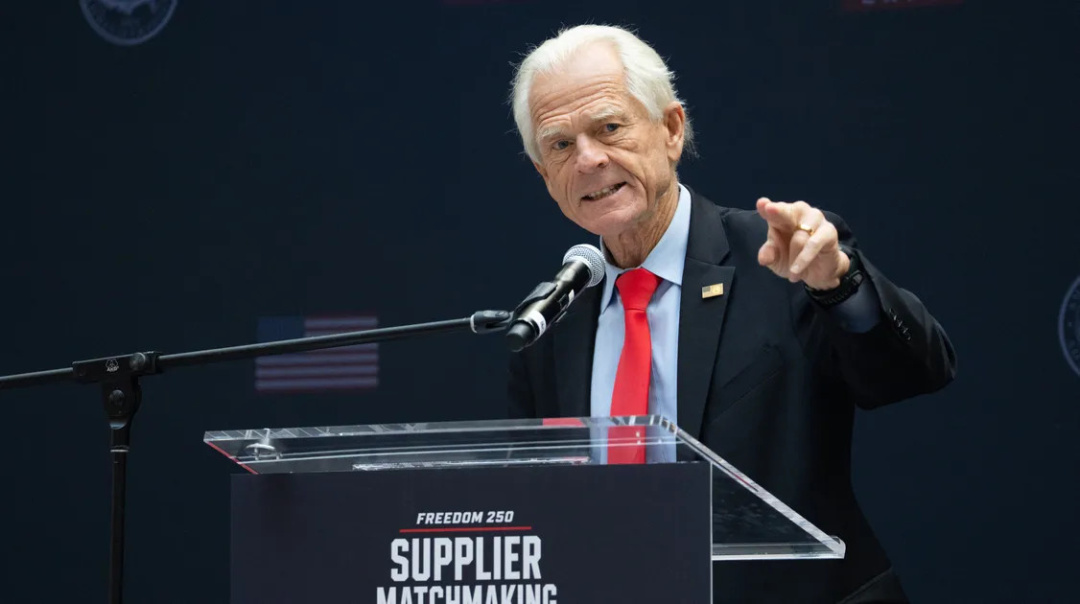
In a striking display of contempt for the press, Peter Navarro, a top advisor to President Donald Trump, has defended the president's recent decision to ban CNN, MS NOW, and Politico from the White House press pool. This ban, which echoes the aspirations of many populists to control narratives, raises serious questions about the future of press freedom and the administration's relationship with the media.
During a recent episode of Steve Bannon's "War Room" podcast, Navarro vehemently asserted that news outlets reporting negatively on the economy and military actions are engaging in treasonous behavior. He stated, "They want a bad economy going into the election," implying that the media's role in shaping public perception is not just a matter of reporting, but a dangerous form of sabotage against the administration. Navarro's claims serve to solidify Trump's narrative of 'fake news' while simultaneously attempting to stifle dissenting voices in an increasingly polarized media landscape.
Still Beats Watergate:
Sponsor success. Continue reading:
In typical Trumpian fashion, the president reinforced Navarro's comments by asserting that the outlets in question are simply "fake news," an accusation that has been levied frequently against several mainstream media organizations. Trump expressed his frustration, stating, "You get so tired of reading and seeing fake news," suggesting that the credibility of these outlets is directly linked to their critical reporting on his administration's policies. By outright banning these entities, Trump appears to be taking a page from history, recalling how President Abraham Lincoln handled dissent during the Civil War.
As these news organizations were turned away from the White House, each issued statements asserting their commitment to uphold First Amendment rights. Politico Editor-in-Chief Jonathan Greenberger remarked that they would "vigorously defend our First Amendment rights," while CNN emphasized their dedication to accountability in government practices. MS NOW echoed these sentiments, vowing to take any necessary steps to defend independent journalism.
The implications of this media ban extend beyond the immediate fallout; it indicates a troubling trend toward authoritarianism in American governance, where the critique of leadership is met with punitive measures rather than dialogue. This move could embolden other leaders to adopt similar tactics, fundamentally altering the landscape of press freedoms in the United States.
Press Freedom Under Siege
As Navarro and Trump continue to wage war on the press, the question remains: what does this mean for journalists and news consumers alike? If the administration's narrative gains traction, it could instill a chilling effect on journalistic integrity, as reporters may hesitate to report critically on governmental actions for fear of retribution. The erosion of a free press is not just a loss for journalists but a loss for democracy itself.
In the face of such challenges, it is imperative for the media and the public to remain vigilant. The foundation of democracy rests on the free exchange of ideas and information, and attempts to undermine this principle must be met with staunch opposition. The current administration's tactics are not merely political maneuvers; they are direct assaults on the tenets of democratic governance that should concern every citizen.
Your takeaway
The ongoing conflict between the Trump administration and certain news outlets serves as a stark reminder of the fragility of press freedoms. As political leaders attempt to redefine the narrative landscape, it is crucial for the public to support independent journalism and uphold the principles of transparency and accountability in government. Without these checks and balances, the very fabric of democracy risks unraveling, leaving citizens in a state of uncertainty and misinformation.