Trump's Hasty Exit from Camp David: A New Chapter in US-Iran Relations?
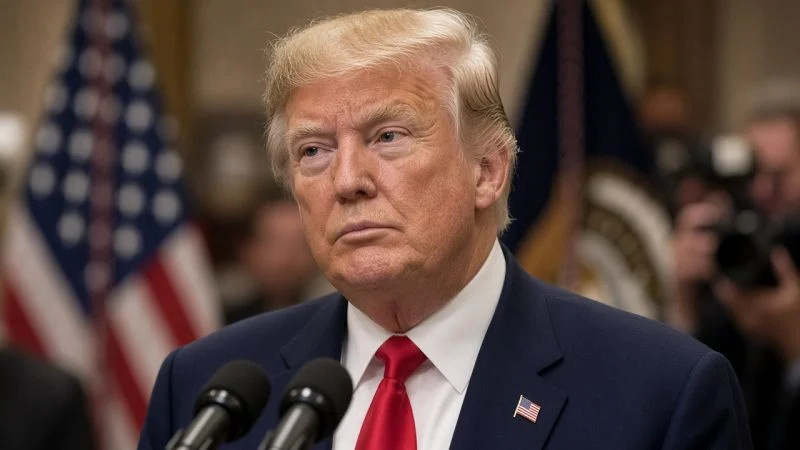
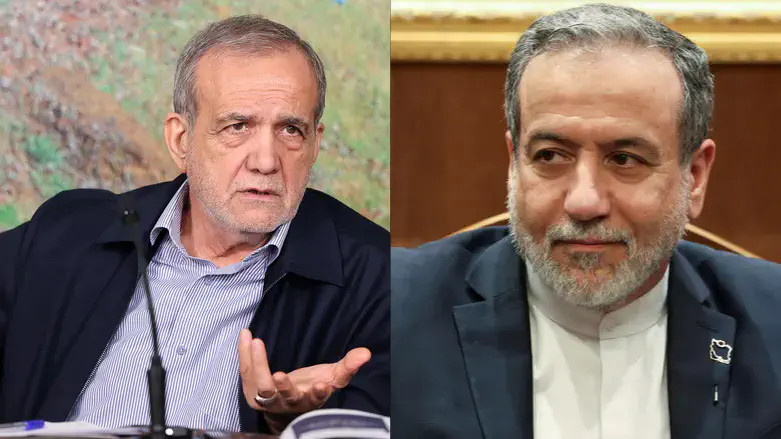
In an unexpected twist, President Donald Trump cut short his stay at Camp David, landing back at the White House just in time to stir speculation and anxiety ahead of crucial diplomatic talks concerning Iran. The quick retreat, which saw Trump touch down aboard Marine One around 8 p.m. ET on September 19, 2026, left many wondering what exactly prompted such urgency. No formal explanation was given, but the timing certainly raised eyebrows, particularly as Iran's Supreme National Security Council secretary, Mohsen Rezaei, had just detailed seven demands for the cessation of hostilities, transmitted to Washington with the help of Qatari mediators.
Among Iran's conditions are a full cessation of hostilities, the unfreezing of Iranian assets, and the lifting of the US naval blockade. This diplomatic volley hints at Iran's strategic positioning, wanting to project itself as open to negotiations amid a backdrop of heightened conflict. As the US Embassy in Israel issued a security alert for American citizens, signaling rising tensions, Israeli Prime Minister Netanyahu also abruptly altered his travel plans, further underlining the seriousness of the situation.
Still Beats Watergate:
Sponsor success. Continue reading:
As Trump returned to the Oval Office, he found himself just ahead of the United Nations General Assembly, where discussions surrounding Iran are expected to dominate. The timing of his return feels more like a tactical maneuver than a mere scheduling issue. Iran's public disclosures of their conditions suggest a calculated approach to gain international sympathy and pressure the US into concessions. By presenting these demands to the world, Tehran aims to frame itself as the reasonable party in a contentious geopolitical chess game.
While the frozen Iranian funds remain a critical leverage point for the US, the naval blockade is a tool the Pentagon has deemed vital for curtailing Iran's military capabilities in the region. The stakes are high, as both sides prepare for a complicated diplomatic dance that could either escalate into further conflict or lead to a breakthrough.
What This Means for US-Iran Relations
With tensions running high and an election season looming, the implications of this early Camp David exit might reverberate far beyond the immediate conflict. Trump’s refusal to outline a clear strategy could leave both allies and adversaries guessing his next move, amplifying the drama at the UN. This situation not only poses a risk for regional stability but also pits the US against the clock as Iran's demands gain more traction on the global stage.
Your takeaway
As the dust settles from Trump’s hasty departure and the implications of Iran's conditions unfold, it becomes evident that this moment could redefine the contours of US foreign policy towards Tehran. The potential for negotiations hangs in the balance, with the ever-present specter of military options looming in the shadows. While the world watches, the true test will be whether the Trump administration can navigate these treacherous waters without sinking further into chaos.