Kennedy Touts Vaccine Policy Support at Anti-Vaccine Conference
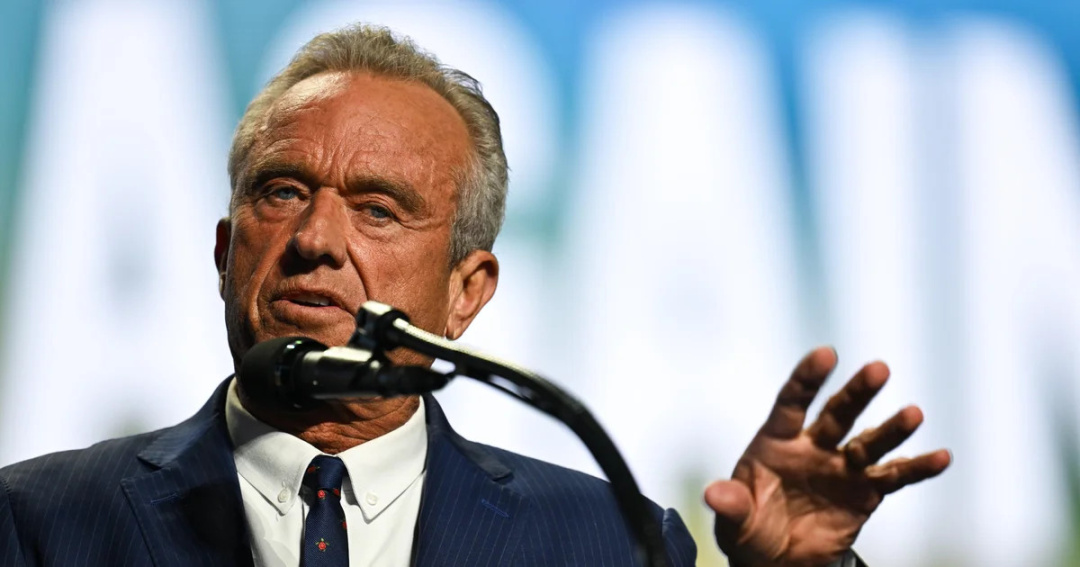
In a remarkable demonstration of political theater, Health and Human Services Secretary Robert F. Kennedy Jr. stepped on stage at the Children's Health Defense conference, assuring a room full of anti-vaccine activists that they have a friend in the Trump administration. This memorable address came after Kennedy's resignation from the organization to pursue the presidency in 2023, marking a moment of both nostalgia and strategic alignment with a group that has long questioned vaccine safety.
Kennedy's speech served as a rallying cry for the anti-vaccine movement, a group that seems to have gained newfound legitimacy within the corridors of power. "You have a strong and steadfast friend in the White House. We've accomplished in 19 months things that would have seemed unthinkable two years ago," he proclaimed, as cheers erupted from the audience. His remarks come at a time when vaccine skepticism is experiencing a resurgence, fueled by the administration's controversial shifts in public health policy.
Still Beats Watergate:
Sponsor success. Continue reading:
The Health Secretary's assertions included boasting about efforts to scale back the childhood vaccination schedule and reshape key advisory boards, though such changes have faced legal pushback. Notably, Kennedy highlighted an executive order aimed at altering vaccine schedules, particularly for the measles, mumps, and rubella vaccine, which has drawn heavy criticism from medical professionals and public health advocates.
Kennedy's homecoming to the Children's Health Defense conference not only underscores a significant pivot in health policy but also raises alarms about the deterioration of trust in public health institutions. Critics argue that the Trump's administration's embrace of anti-vaccine sentiment could exacerbate public confusion and undermine decades of progress in vaccination efforts. After all, with the United States facing its worst measles outbreak in decades, the timing of such a pro-anti-vaccine message feels particularly precarious.
As Kennedy celebrated the shared victories with his audience, detractors were quick to push back. Pennsylvania's Governor Josh Shapiro publicly condemned Kennedy's participation, emphasizing the urgency of promoting vaccine adherence amidst rising disease outbreaks. Shapiro's comments serve as a reminder of the tensions surrounding vaccine policy, as differing priorities clash within the political landscape.
The Rise of Anti-Vaccine Sentiments
Reflecting on the implications of Kennedy's address, it bears considering the broader narrative at play. Once relegated to the fringes, anti-vaccine voices are now at the forefront, finding their place in a political narrative that seems increasingly accommodating of their views.
The ramifications of Kennedy's speech extend beyond the conference walls, resonating throughout the political sphere. His appearance not only highlights a shift in official messaging but also raises critical questions about the direction of healthcare policy under the current administration. As political figures navigate the sensitive terrain of public health, the delicate balance between individual freedoms and community health continues to provoke debate.
Applied to you
As the country grapples with declining vaccination rates and growing hesitancy, the mixed messages from leadership could have lasting effects on public health initiatives. With seven reported measles-associated deaths in the past two years and growing outbreaks, the urgency to communicate effectively about vaccinations has never been more pressing. However, as Kennedy continues to align himself with anti-vaccine sentiment, the challenge for public health advocates becomes ever more daunting.
The interplay between politics and public health is an intricate one, where the stakes are high, and the consequences of miscommunication can be dire. As Kennedy secures his position within the administration, the implications of his rhetoric will undoubtedly influence public perception and policy long after the applause fades.