Political Tensions Rise as AI Regulation Debate Heats Up Ahead of Xi's Visit
In Washington, the debate over artificial intelligence regulation is heating up faster than a supercomputer calculating its own existential crisis. As we approach the visit of Chinese President Xi Jinping, who likely has a more personal relationship with AI than any of our lawmakers, the stakes couldn't be higher. It appears that while Congress is on the brink of discovering what exactly constitutes a 'data center,' they are simultaneously trying to figure out how to control a technology that many worry could outsmart them.
House Speaker Mike Johnson, R-La., recently emphasized the urgency of AI regulation on "Meet the Press," stating that while it’s a crucial issue, Congress mustn't rush—after all, who wouldn’t want to take their sweet time when facing potential world domination by algorithms? Johnson commented, “We have to put up some guardrails. But at the same time, we’ve got to make sure that we don’t lose our edge in the global competition on this with China. Because that would be a national security threat.” Yes, nothing screams “national security” like arguing over who gets to control the robots.
Still Beats Watergate:
Sponsor success. Continue reading:
Democrats, meanwhile, are pushing for a more immediate response. Senator Cory Booker, D-N.J., is calling for a special Congressional session to tackle AI head-on, reminding everyone that “Artificial intelligence will not recess.” Perhaps it’s time to add “mandatory AI awareness training” to the Congressional schedule, right beside their often-overlooked nap time.
Former President Donald Trump, never one to shy away from a controversial opinion, has labeled the fears surrounding AI a “hoax.” On Truth Social, he proclaimed, “The only control or ‘guardrails’ that AI needs is a STRONG AND SMART (High IQ!) PRESIDENT, and the U.S.A. has that, in spades!” Quite frankly, anyone who believes that AI’s biggest threat is a lack of presidential charisma might not be the best judge of technological risks.
As the 2028 presidential race begins to take shape, the AI issue is shaping the discourse. Pennsylvania Governor Josh Shapiro has taken a strong stance at an AI summit, insisting that true leadership means keeping America ahead of China in AI innovation. You might say it’s a classic case of “my robot can beat up your robot.” Meanwhile, California Governor Gavin Newsom signed an executive order to boost AI oversight, essentially declaring that the Golden State will not be outsmarted by an algorithm, at least not without a fight.
Even as leaders debate the future of AI, the industry isn’t sitting idly. Geoffrey Hinton, dubbed the “Godfather of AI,” has warned that lawmakers have about a year to regulate before AI systems may operate beyond human control. It’s like the warning in a horror movie—if you don’t heed the advice, you’ll find yourself in a world of trouble. Tech industry leaders are echoing this sentiment and urging a closer look at the necessary guardrails.
AI's Role in Diplomatic Discussions
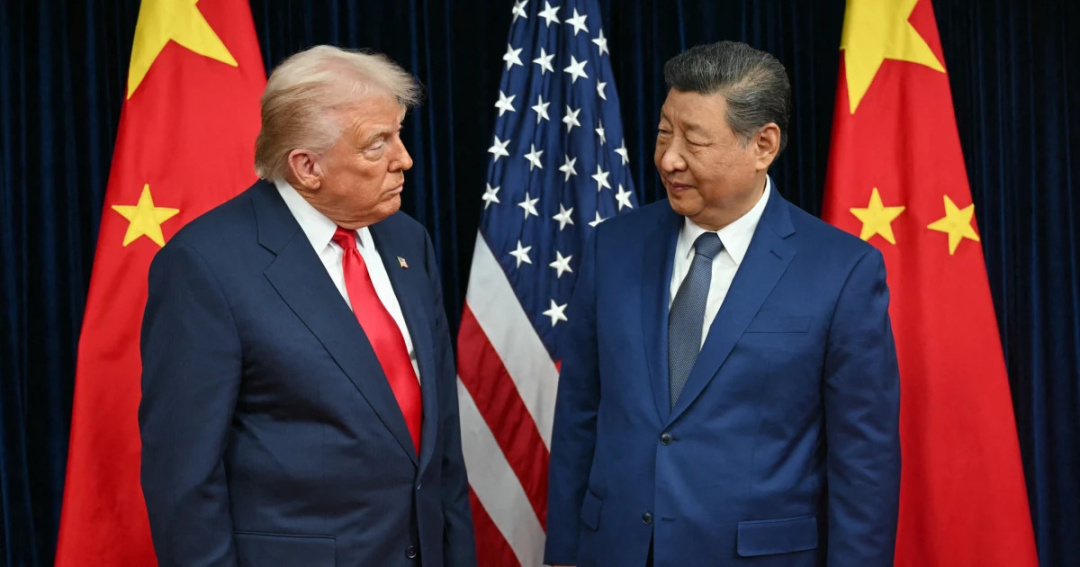
As AI becomes a mainstay topic at the upcoming state dinner Trump is hosting for Xi, the ongoing discussion underscores how technology is infiltrating even the highest levels of diplomacy. With tech giants like Nvidia's Jensen Huang and Apple's Tim Cook invited, it seems even our dinner tables are becoming battlegrounds in this tech war.
As Americans are increasingly concerned about the implications of AI on their daily lives, a recent NBC News Decision Desk Poll found that 70% of adults feel more anxious about AI than excited, raising alarms about its potential to disrupt crucial sectors such as national security and media. It seems that as technology advances, so does the public's apprehension.
As lawmakers continue to face public pressure and technological challenges, it’s clear that the AI debate will not be settling down anytime soon. The nuances of regulation are complex, and with both parties advocating different approaches, the risk of misalignment is high. Politicians, tech leaders, and citizens alike are recognizing that how we handle AI today may define our future.
Your Takeaway
With awareness of the potential dangers and benefits of AI growing, the political class must find a way to navigate these murky waters. As for the average American? They’re left wondering if their future will be shaped by legislative foresight or the whims of a silicon overlord. This upcoming showdown in Washington isn’t just about technology; it’s about who gets to control it and how it impacts daily life across the nation.
As the AI debate unfolds, the implications for consumers and policymakers are significant. It’s a delicate balance of innovation and regulation that could very well dictate the future of technology in America. With both parties vying for control of the narrative, one thing is for sure: the conversation around AI will intensify, and it’s one that we can’t afford to ignore. Will we seize the opportunity to shape the future of AI responsibly, or will we let it slip through our fingers like so many bits and bytes?