Trump's Second Term: A Loyalist Dream Team and Unfettered Power
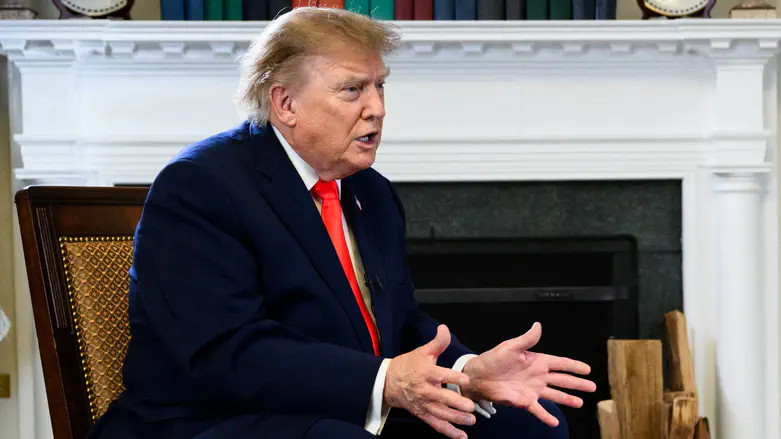
In a recent panel discussion hosted by The Atlantic, journalists elaborated on the cozy dynamics of President Trump's second administration, painting a picture of a White House brimming with loyalists and a leader feeling increasingly unshackled. Atlantic reporters Jonathan Lemire, Ashley Parker, Missy Ryan, and Michael Scherer offered insights that suggested Trump has not just returned to power; he has returned with a fiercer resolve and a team that mirrors his own vision without the noise of dissent that characterized his first term.
Lemire noted that Trump is now working with "true believers," a phrase that might evoke either admiration or dread depending on one's political leanings. He remarked that the remnants of the Republican establishment have been swept away, leaving a cadre of aides who are fully aligned with the president's ambitions. "We’re seeing someone who completed, arguably, the greatest comeback in American political history," Lemire asserted, evidently impressed by Trump's newfound comfort in utilizing the levers of power.
Still Beats Watergate:
Sponsor success. Continue reading:
Parker highlighted the role of chief of staff Susie Wiles, who has helped cement this sense of unity within the administration. Meanwhile, deputy chief of staff Stephen Miller has been busy re-strategizing during the years out of power, allowing for a more aggressive approach this time around. The implication here is clear: Trump has returned with not just a plan but a comprehensive strategy to enhance his legacy while wielding authority more effectively.
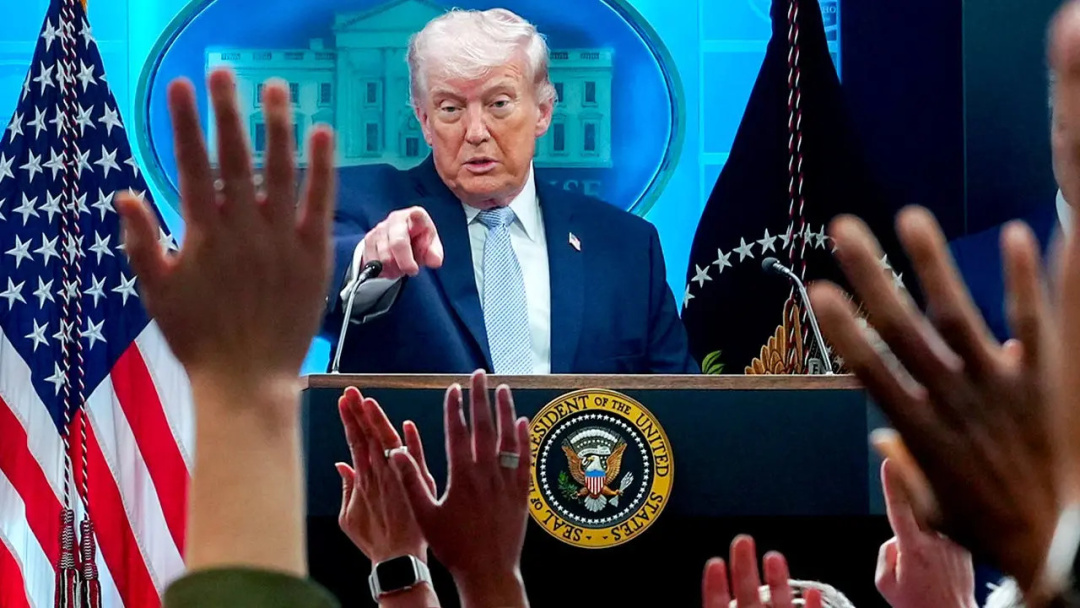
However, this evolution in the White House comes with its own consequences for the media landscape. Ryan pointed out the scarcity of formal Pentagon briefings, which she finds troubling. The journalists lament that the tighter ship under Wiles has made it inherently more challenging to break news, drawing a contrast to the first term’s chaotic nature where information flowed more freely—albeit in a context rife with political infighting.
Amid this backdrop, Scherer made a rather bold claim: the current administration operates as a cohesive unit, a stark contrast to the factionalism of the previous term. The lack of leaks, he suggested, is indicative of a functioning organization, one where loyalty is not just encouraged but expected. However, he also noted that this level of control comes at a cost to transparency, reinforcing the notion that Trump's second term may be less about the media's role and more about the administration's narrative control.
The discussions at this panel also raised the question of the evolving relationship between the president and the press. Trump’s approach, as interpreted by the journalists, signifies a shift where he actively manages the narrative rather than responds to it, further complicating the landscape for reporters.
Navigating Tightened Media Access
In this tightly-knit operation, journalists face hurdles not just in accessing information but in understanding the implications of Trump’s actions and policies. While Scherer contrasted the current administration’s discipline with that of Obama and Biden’s, suggesting that they operated more like "bureaucratic law firms," the implications of this tight-lipped approach raise critical questions about accountability and transparency in governance. The lack of press briefings underlines a significant shift in how the administration engages with the media, which could have lasting impacts on public discourse.
As Trump embarks on this second term, there’s an acute awareness among journalists about the stakes involved in covering a president who has a penchant for controlling the narrative. This new landscape may lead to more significant challenges in the quest for transparency, as the administration's strategic communications tighten their grip on the information released to the public.
Your takeaway
In summary, President Trump's second administration reflects a shift in dynamics, marked by a stronger grip on power and a more homogenous team of advisors. As the press grapples with these changes, the relationship between the administration and the media might become even more fraught, leading to an environment where the quest for truth could be overshadowed by strategic silence. The implications of this are profound, as the very essence of press freedom hangs in the balance while navigating an ever-evolving political landscape.