Trump Threatens Demolition of Kennedy Center Unless Recognized
In a stunning display of presidential bravado, President Trump was recently photographed aboard Air Force One, scrutinizing a poster boldly proclaiming 'Kennedy Center DEMOLISHED' against a backdrop of construction chaos. This dramatic imaging raises eyebrows and concerns alike about the administration's intentions for Washington D.C.'s beloved performing arts venue. Trump, never one to shy away from grand proclamations, warned that without a nod to his administration’s greatness, the Kennedy Center — a revered monument to artistic expression — could face the wrecking ball. Just as the nation was recovering from another chaotic week, Trump insisted that recognition for his administration is paramount or else, he claimed, 'it'll end up being ripped down.'
This latest episode in the ongoing saga of the Kennedy Center is not merely idle chatter; it is part of a lengthy drama that began when Trump, newly returned to the Oval Office in February 2025, dismissed the center's board of trustees and replaced them with his loyalists. Since then, the Trump's appointed board has been on a mission to rebrand the venue, aiming to rename it in his honor, a decision that has sparked legal disputes and artistic exoduses. The very idea of renaming a center dedicated to John F. Kennedy, a president who embodied ideals of unity and cultural richness, for a man who relishes division is a spectacle worthy of the best political satire.
Still Beats Watergate:
Sponsor success. Continue reading:
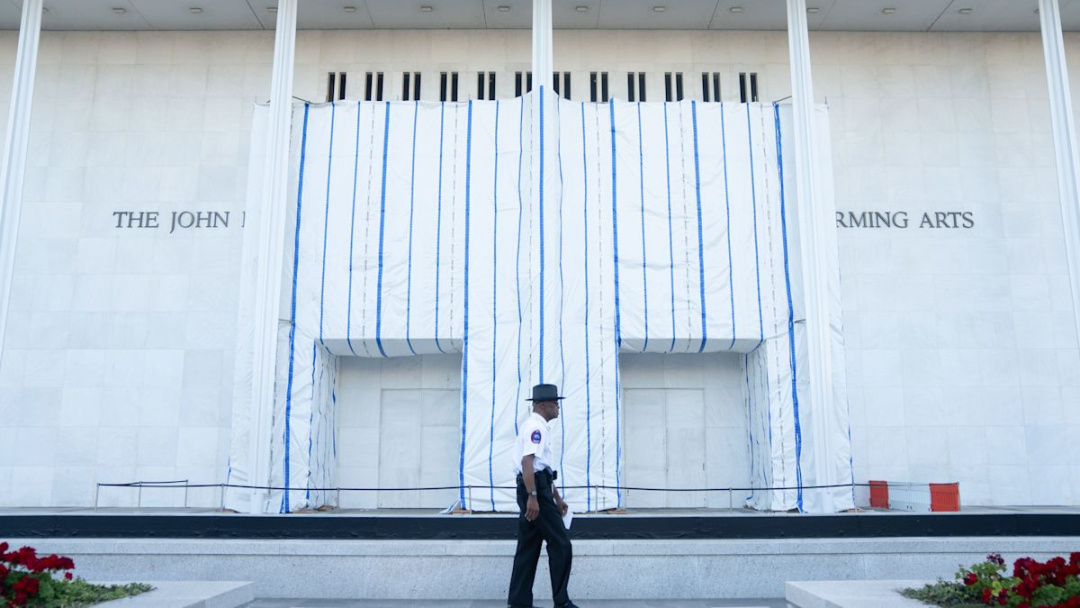
In the midst of these unfolding events, Trump’s administration saw fit to close the Kennedy Center for what they dubbed 'emergency renovations,' following a minor incident where a section of the ceiling plaster had fallen. While the closure was presented as a necessary safety measure, it seems to coincide conveniently with Trump's demands for recognition. Such timing raises eyebrows; could the closure be a pretext to push his agenda further?
Meanwhile, Trump's legal battles to rename the center are emblematic of larger ideological contests in contemporary America. Federal Judge Casey Cooper recently blocked efforts to inscribe Trump's name on the building, reminding us that even the most powerful political figure must adhere to legal frameworks. Trump's social media rants following the ruling were as colorful as they were defiant, reiterating that renovations could only commence if he were granted the recognition he feels he deserves.
As the deadline for the Kennedy Center's fate looms, artists and performers have begun to boycott the venue, expressing their resentment towards Trump's encroachment into the world of art and culture. The backlash has included prominent figures like Ben Folds and opera star Renée Fleming stepping down from their roles, signaling a determined stand against what they perceive as an authoritarian takeover of a space meant to serve all.
Cultural Institutions Under Political Siege
The ongoing tumult surrounding the Kennedy Center's future reveals the deep rifts in American cultural politics today. The very notion that a president could threaten the demolition of a national landmark in pursuit of personal recognition is a potent reminder of the increasingly transactional nature of our cultural institutions under this administration. The Kennedy Center is not just a theater; it is a symbol of artistic freedom, and the question remains: how far will the Trump administration go to assert its vision?
As protests brew, with Kerry Kennedy recently announcing a 'Hands Around the Kennedy Center' event to rally support for artistic integrity, the stakes are higher than ever. Will the Kennedy Center become a site of resistance against political overreach, or will it succumb to the whims of its new leadership? The answer lies in the willingness of the public and artists alike to stand firm against an administration that seeks to redefine the boundaries of cultural expression.
A Modern Cultural Battleground
As this saga unfolds, one can’t help but feel a sense of irony; the Kennedy Center, originally meant to embody the spirit of artistic and cultural celebration, now finds itself a pawn in a political game. Trump’s insistence on having his name immortalized on a venue that should represent collective artistic endeavor is a stark contrast to the center’s foundational mission. The closures and the potential demolitions stand as testaments to a presidency that has increasingly blurred the lines between personal ambition and public service, turning a cultural institution into a battleground for political recognition.
This ongoing conflict exemplifies the challenges facing cultural institutions in a deeply polarized political landscape. If the Kennedy Center, once a sanctuary for artistic expression and diversity, can be so easily compromised for the sake of political capital, what does that say about the future of the arts in America? In a time where voices are more crucial than ever, the question remains: can we afford to let our cultural heritage be dictated by the whims of political leaders?