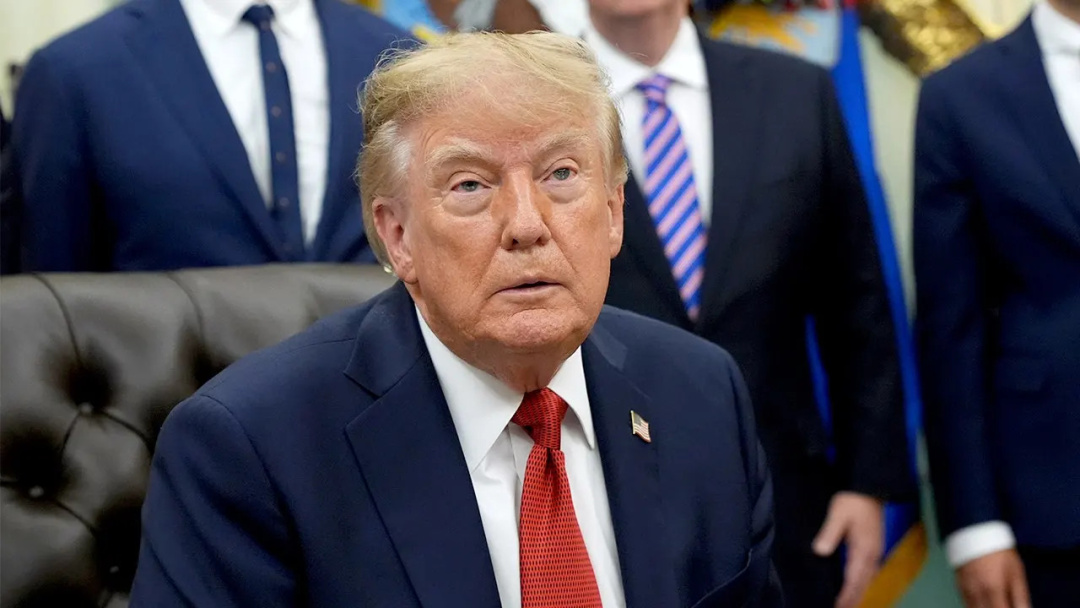
Trump Declares War on Media: CNN and Politico Respond to White House Ban
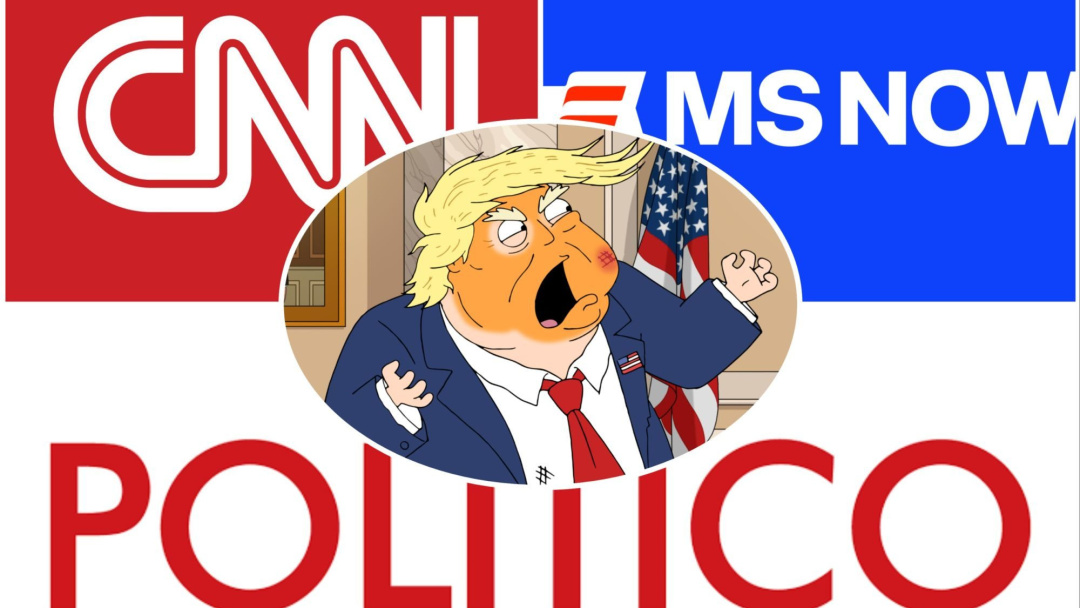
In an unprecedented twist in White House communications, Donald Trump has taken to his own social media platform to announce plans to ban major news outlets, including CNN, MS NOW, and Politico, from covering events at the White House. This declaration, which can only be described as a stunning move against press freedom, comes in response to what Trump describes as "unfair reporting" from these organizations.
As expected, the reaction from the media world was swift and scathing. CNN and Politico released statements almost immediately, asserting their roles as watchdogs of democracy and emphasizing that they would not be silenced by such actions. CNN remarked on the importance of a free press in a democratic society, further noting that bans such as these are reminiscent of authoritarian regimes rather than a democratic government. Politico, too, weighed in, reminding Trump that attempts to stifle reporting only serve to underline the critical role of journalists in holding power to account.
Still Beats Watergate:
Sponsor success. Continue reading:
Trump's move raises serious questions about the relationship between the executive branch and the media, particularly in an era where misinformation can easily spread and influence public perception. The implications of targeting specific news organizations could set a dangerous precedent. Critics argue that it not only undermines the credibility of the press but also emboldens other leaders around the world who might view such tactics as a viable means to control narratives and suppress dissent.
While Trump insists that this ban is about protecting the integrity of his administration's message, one can't help but feel that it's more about punishing those who dare to question his authority. The ongoing tug-of-war between the Trump administration and the media has been characterized by escalating tensions, with journalists often caught in the crossfire of political vendettas.
What This Means for Press Freedom
The broader implications of this ban cannot be understated. It signals a potential shift in how the press operates in relation to the executive branch. If the White House can pick and choose which outlets to engage with, it raises the stakes for media credibility and the public's right to information.
Furthermore, this clash poses a question about the role of the press in a democracy. Is the press merely a mouthpiece for those in power, or does it hold the responsibility to challenge and provoke thought? Trump's assertion that certain media are unworthy of access to the White House is a direct affront to the principles of transparency and accountability, principles that are supposed to underpin democratic governance.
As this story unfolds, it will be vital to monitor how both the media and the public react. Will there be backlash against such authoritarian tactics? Or will this simply become another episode in the ongoing saga of Trump's tumultuous relationship with the press?
Your Takeaway
In the age of information, where news cycles spin rapidly and narratives can shift in an instant, the actions taken by Trump could very well reverberate throughout the landscape of American journalism. This incident serves as a reminder of the fragile nature of press freedom and the continuous need for vigilance in protecting the rights of journalists to report without fear of retribution. As citizens, our responsibility is to remain informed and to advocate for a press that operates unfettered by political whim, ensuring that democracy is not just a word but a living principle in action.