Trump's White House Media Ban: A New Low in First Amendment Rights
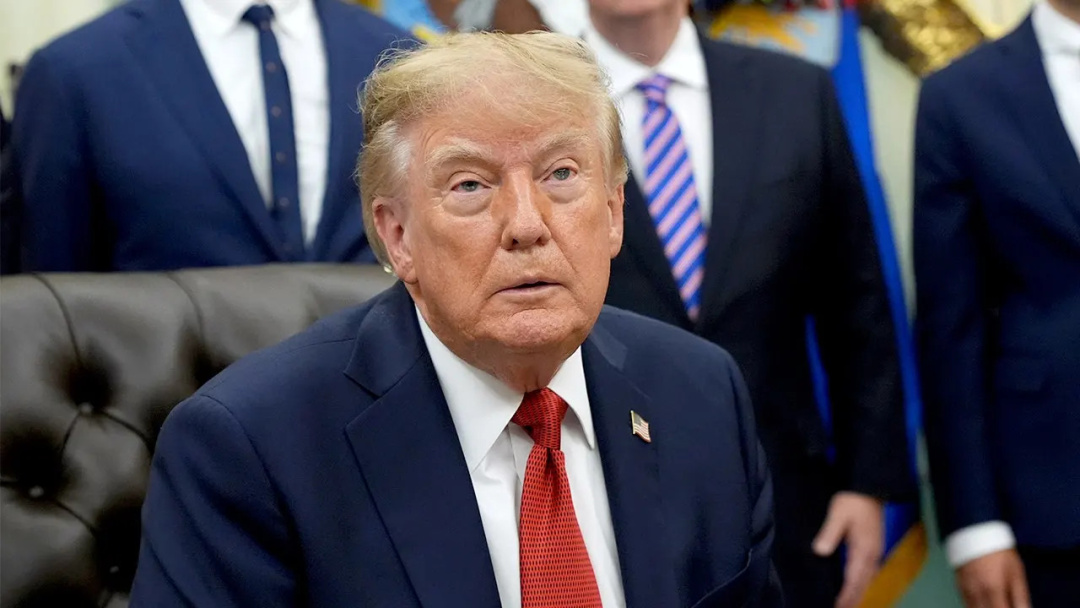
In a move that could redefine press access in America, President Donald Trump has announced that CNN, MS NOW, and Politico are no longer welcome in the White House. In a post on Truth Social, Trump expressed his pride in the decision, declaring, "I am banning Fake News CNN, MSNOW, and Politico ... from the White House as a result of their constant 'reporting' FAKE NEWS!" The announcement came during a press exchange, and while Trump insisted he wasn’t trying to intimidate the press, the implications of his actions shimmer like a bad parody of a dictator's script.
As part of his justification, Trump cited what he termed the "cumulative stories" that these outlets have published over the years, which he feels misrepresented his administration. With a history of disdain for any media outlet daring to publish uncomfortable truths, Trump's latest decree is a further step into a realm where the line between opinion and governance blurs.
Still Beats Watergate:
Sponsor success. Continue reading:
The reaction from the media world has been swift and predictable. CNN fired back, reaffirming its commitment to fair reporting and labeling Trump's actions as an illegal assault on the First Amendment. In their own statement, they declared, "We have a right under the U.S. Constitution to do that reporting without hindrance or interference from the government." This counter-attack highlights a fundamental clash between the press and the executive branch, reminiscent of previous administrations but with an intensity that seems uniquely Trumpian.
Former White House press secretary Sarah Huckabee Sanders, now the Republican governor of Arkansas, stood by Trump during the announcement, claiming his accessibility to the media is unprecedented. "It’s hard for you to argue against a free press when you’re literally standing in the Oval Office asking questions of the president," she stated, seemingly oblivious to the irony that such a declaration came in a room now closed to certain journalists.
Yet, Trump's penchant for banning journalists is not uncharted territory. Past attempts to sideline media outlets and specific reporters have faced swift rejections from federal judges, suggesting a long-term battle over press freedom on the horizon. Trump’s declaration that he has a right to keep "fake news" at bay raises a crucial question: how far can a president go before straying into the realm of unconstitutional practice?
The Broader Implications for Press Freedom
As Trump prepares for upcoming international engagements, such as the United Nations General Assembly, the implications of his media ban stretch beyond the Oval Office. His administration's ongoing spat with the press could set a dangerous precedent, prompting other leaders to consider similar actions against critical news outlets in their own countries. With the president’s new decree, the clarity of journalistic integrity versus executive authority is murky at best.
Politico also issued a statement in response, emphasizing their intent to continue covering the administration fairly while defending their First Amendment rights. This public rebuke adds to the growing narrative of the media fighting back against perceived governmental overreach, transforming Trump's latest press stunt into a potential rallying point for advocates of journalistic freedom.
In this surreal landscape where media battles government, the stakes are high. What happens when the very news organizations tasked with holding power accountable are barred from doing so? As the White House grapples with the implications of its latest communication strategies, one thing is crystal clear: the political theater is far from over, and neither the press nor the public is likely to sit quietly while their rights are challenged.
Your Takeaway
With the threats to press accessibility growing under the Trump administration, the public must remain vigilant. The actions taken in the halls of power today could have lasting effects on the freedoms enjoyed by the press and, ultimately, the American citizenry. As we witness this unfolding saga, it’s crucial to remember that a healthy democracy depends on a free and unfettered press, and the consequences of its suppression could be dire for the future of civil liberties in the United States.