Concerns Grow Over ICE's Treatment of Pregnant Detainees Amid Miscarriage Data Gap
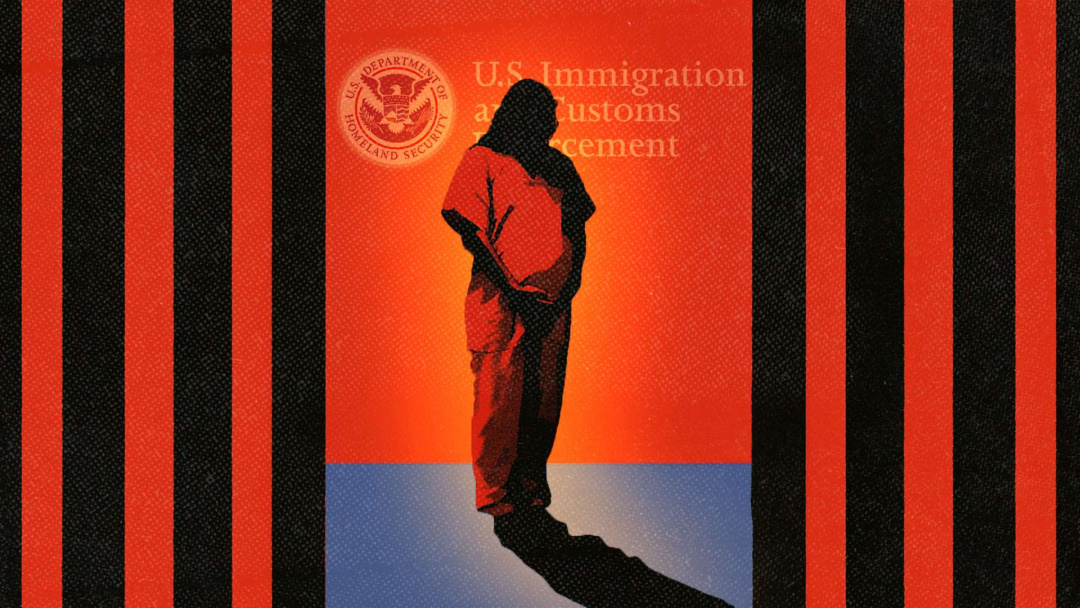
The Trump administration's immigration policies continue to shatter records, but with those numbers come disturbing allegations of medical neglect, particularly regarding pregnant women held in Immigration and Customs Enforcement (ICE) facilities. Amid rising scrutiny, the condition of these detainees prompts a closer examination of how the agency manages the health of its most vulnerable population.
Reports highlight the troubling experiences of women like Anabell, an asylum seeker from Nicaragua, who discovered her pregnancy only after her unexpected detention at an ICE facility. During her confinement, Anabell, who was shackled during her medical emergency, experienced a miscarriage without adequate care or follow-up treatment. This harrowing experience raises critical concerns about how ICE addresses the health needs of pregnant immigrants.
Still Beats Watergate:
Sponsor success. Continue reading:
Accompanying Anabell's story are accounts from other women who similarly faced neglect while in custody. Angie, another detainee, found herself dealing with the trauma of a miscarriage shortly after learning of her pregnancy. Meanwhile, Laura, currently nearing the end of a high-risk pregnancy, has been denied necessary medical consultations, pointing to a systemic failure in how ICE handles cases that require urgent medical attention.
The claims of mismanagement are compounded by the murky statistics surrounding miscarriages within ICE facilities. Despite purported data tracking, records abruptly stop, leaving advocates and the public questioning the efficacy of oversight—and the agency's commitment to the health of detained women. Reports suggest that while incidents of miscarriage do occur, the lack of comprehensive and transparent data obscures the true scale of the issues at play.
Escalating Scrutiny of DHS Practices
Criticism mounts against the Department of Homeland Security, which asserts that it fulfills its obligations to track and report such health data. However, the conflicting narratives only add to the skepticism surrounding ICE's handling of pregnant detainees. ICE’s own guidelines dictate that pregnant women should be treated with particular care, yet the realities faced by detainees paint a different picture altogether.
In an era where the Trump administration has intensified immigration enforcement, the increase in pregnant detainees raises alarms. Figures indicate that the number of detained pregnant women has swelled significantly, which juxtaposes the claims of humane treatment and oversight. As the statistics regarding pregnancy care in detention grow murky, the call for accountability becomes more urgent.
Your Takeaway
The implications of these findings extend beyond mere statistics; they demand a critical reassessment of how pregnant detainees are treated under the current administration. With stories like Anabell's serving as a rallying point for advocates, there is a pressing need for systemic reform within ICE to ensure that the health and rights of detained individuals are not overlooked in the pursuit of aggressive immigration enforcement.
As the scrutiny on ICE intensifies, the stakes for pregnant detainees become alarmingly clear. The intersection of immigration enforcement and healthcare rights presents a complex challenge that requires both advocacy and legislative action to safeguard the lives of vulnerable individuals in custody. As these narratives unfold, the demand for transparency and humane treatment in detention centers remains imperative for reform-minded stakeholders and the general public alike.