Democratic Support for Trump's Fraud Enforcement Division Sparks Political Tensions
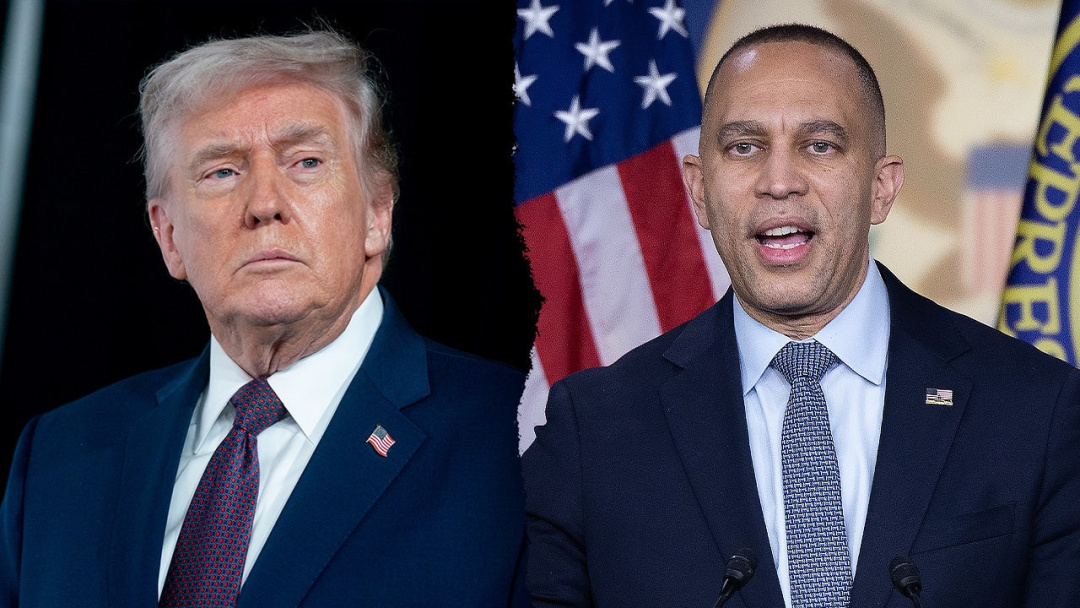
In a stunning display of bipartisan support, over 140 House Democrats, including Minority Leader Hakeem Jeffries, have joined forces with Republicans to solidify President Donald Trump's National Fraud Enforcement Division, which aims to combat government fraud. The initiative, touted as part of Trump's ongoing 'war on fraud,' passed with a surprising 352-72 vote, suggesting that the desire to tackle fraud transcends party lines - at least on the surface.
The origins of this division date back to January 2026, when the Trump administration announced its establishment within the Department of Justice (DOJ), primarily targeting fraud affecting federal funding and private citizens. However, critics have raised concerns, suggesting the division serves as a political weapon rather than a genuine effort to address fraud. Notably, earlier this year, Vice President JD Vance referred Minnesota officials, including Governor Tim Walz, to the division for potential criminal investigations, igniting claims of partisanship.
Still Beats Watergate:
Sponsor success. Continue reading:
Republicans, including Rep. Harriet Hageman of Wyoming, have accused Walz and state Attorney General Keith Ellison of being complicit in a widening fraud scandal that has plagued Minnesota's social welfare programs. Their insistence that taxpayer funds have been misused has been met with resistance from Democrats, who argue that the GOP is exaggerating the situation for political gain.
The division's legislative approval has not come without dissent. Rep. Jamie Raskin, a prominent progressive voice, described the bill as 'the least offensive piece of legislative flotsam' amidst Republican turmoil, emphasizing its lack of innovation in law enforcement. His remarks reflect a broader skepticism about the administration's motives and the potential for political manipulation of fraud investigations.
Democratic Doubts on Fraud Division's Impact
Democratic support for the division has raised eyebrows within their ranks, with Raskin openly questioning the implications of endorsing a program initiated by an administration he often criticizes. Interestingly, while Raskin expressed support for the division, he also called attention to the longstanding presence of a fraud division within the DOJ, suggesting that the new legislation may not represent a significant leap forward in the fight against fraud but rather a rebranding exercise.
In response, Republican Rep. Jeff Van Drew emphasized the need for legislation that codifies the division into law, arguing that the public is tired of government waste and corruption. His perspective underscores a fundamental divide in how each party frames issues of accountability and fraud - with Republicans positioning themselves as the champions of efficiency while Democrats tread carefully amid political minefields.
Your takeaway
As the political landscape continues to evolve, the effectiveness and true intent of the National Fraud Enforcement Division will be closely monitored, with implications extending far beyond mere legislative approval. Democrats may find themselves navigating a tightrope, balancing their legislative responsibilities against the backdrop of political warfare.
The approval of Trump's National Fraud Enforcement Division by a significant number of House Democrats signals a potential shift in the often rigid partisan divides, yet raises critical questions about the motivations behind such legislative actions. While the initiative aims to tackle fraud, the intertwining of politics and policy makes it increasingly difficult to discern genuine accountability efforts from political maneuvering. This development is one to watch as both parties strategize for future elections amid ongoing debates about government integrity and trust.