Trump's $84,000 Plan to Shame the Smithsonian with Signs
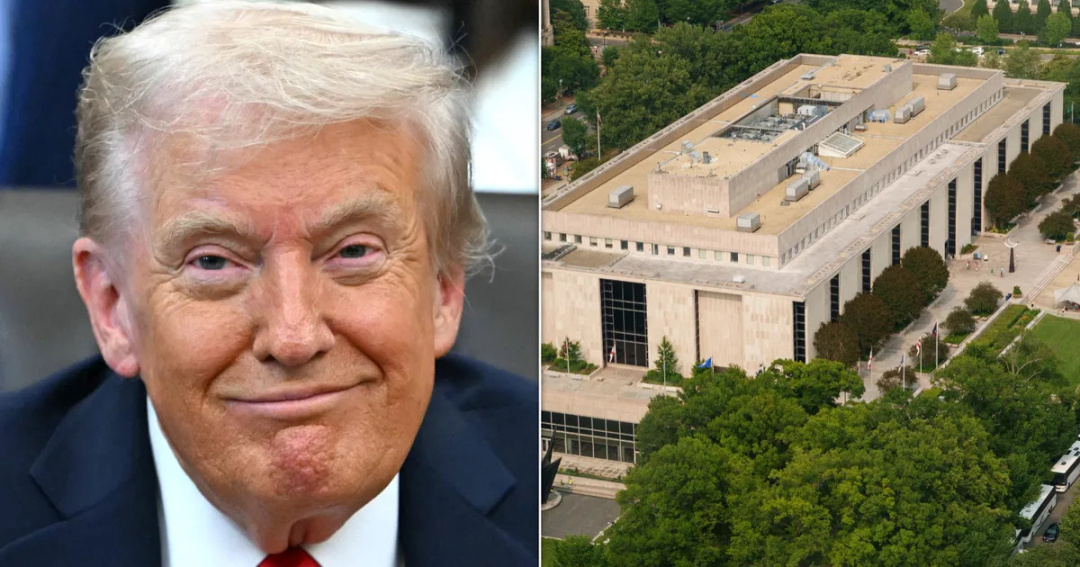
In a stunning display of what can only be described as governmental theater, the Trump administration is reportedly gearing up to spend $84,000 to install signs outside the Smithsonian. Yes, you heard that right—$84,000 for signage that will accuse one of the nation’s most revered institutions of ideological bias. Because nothing says ‘freedom of expression’ like a taxpayer-funded smear campaign.
According to a report from The Atlantic, this financial foray follows a July executive order signed by President Trump, who, despite his best efforts, seems to lack the authority to actually fire anyone in the Smithsonian leadership or demand changes to their exhibits. Instead, Trump’s grand crusade to reshape history will be limited to the sidewalks maintained by the National Park Service, which apparently now has a side gig in political messaging.
Still Beats Watergate:
Sponsor success. Continue reading:
The specifics of what these signs will say remain shrouded in mystery, as a source close to the plans has remained anonymous, likely out of fear of being publicly shamed alongside the Smithsonian. However, the intent seems clear: to cast doubt on the narratives presented by the museum, particularly those that touch on sensitive topics like race and immigration. This unprecedented move has sparked concerns that the signs will serve as little more than an extension of Trump's ongoing culture wars.
Interior Secretary Doug Burgum, in a letter obtained by The Atlantic, described the signs as a means to provide visitors with "important context" about the exhibits they are about to encounter, all the while taking aim at the very curators responsible for those exhibits. In the letter, Burgum suggested that visitors should be forewarned about the supposed biases of museum director Anthea Hartig and outgoing Smithsonian Secretary Lonnie Bunch, citing their previous comments regarding race as problematic. Because when you can’t win an argument, the next best step is to discredit your opponents.
The justification for this initiative appears to be rooted in a 162-page report released by the White House, which accuses the Smithsonian of promoting ideologies that distract from a coherent presentation of America’s story. It’s worth noting that the report seems to be more about pushing a political agenda than about fostering true education or understanding of American history.
For Trump, this isn’t merely about signage; it’s about reclaiming the narrative around American identity. In past posts on Truth Social, he has lambasted the Smithsonian as "OUT OF CONTROL," arguing that it paints a grim picture of America's past. Ever the strategist, Trump has also suggested the installation of substantial statues to replace existing artwork, ensuring that the museum reflects his vision of an idealized America rather than the complex, multifaceted reality.
Rebranding History in the Age of Trump
As the administration prepares to move forward with this initiative, the broader implications for how history is portrayed in public spaces come into sharp focus. Will the Smithsonian, a bastion of American culture, be transformed into a platform for political messaging? Or will it resist this overture and continue to provide a balanced view of history, however uncomfortable that may be?
This is not just a question of aesthetics; it speaks to the heart of what it means to engage with our past. If the White House can dictate the narrative through signage, what does that say about the future of historical discourse in the United States? The tension between factual representation and ideological persuasion is now out in the open, and where this leads remains to be seen.
Your Takeaway
For those who thought that the Trump era was merely a political sideshow, this initiative underscores the lengths to which the administration will go to push its narrative. As taxpayers, we might want to brace ourselves for the fallout of this signage stunt—after all, it seems we’re not just funding a museum, but a politically charged rebranding of American history. So, keep an eye on those signs—you might just find they’re more than meets the eye.














