Legal System Under Siege: The Tinubu Administration's War on Dissent
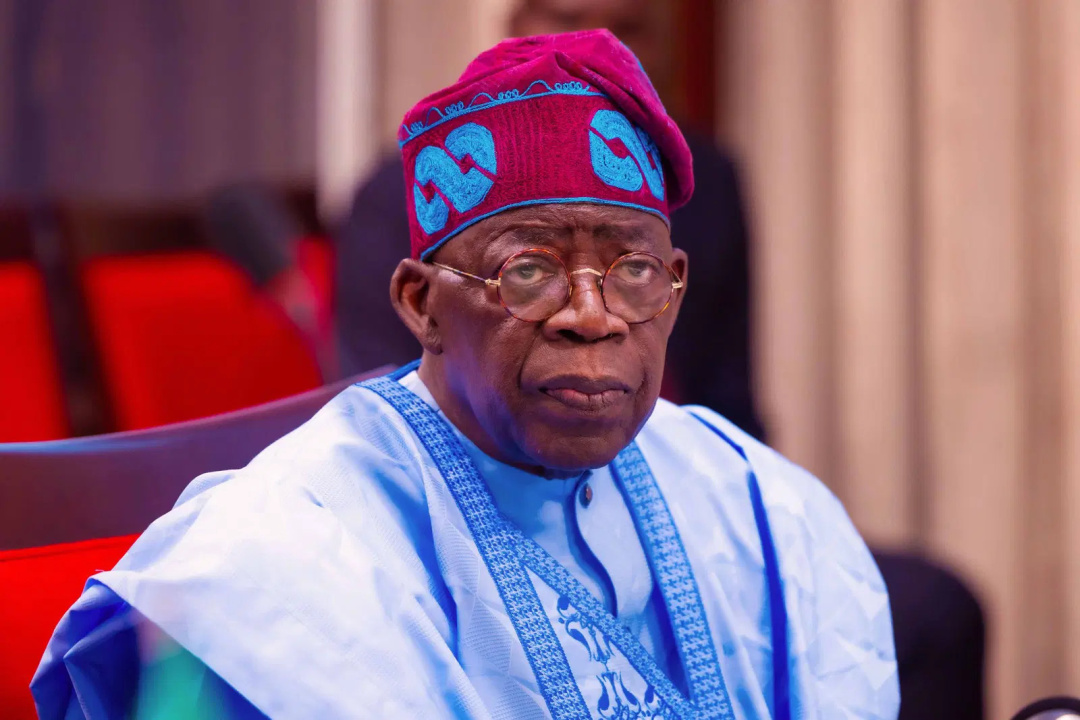
In a chilling echo of Nigeria's not-so-distant past, President Bola Tinubu's administration is seemingly stepping up a campaign against dissent, wielding the legal system as a bludgeon against critics reminiscent of the days under Muhammadu Buhari. The current environment is rife with intimidation tactics aimed at stifling freedom of speech, showcasing a concerning trend where the very institutions meant to safeguard rights are used to suppress them.
Central to this harrowing narrative is the Socio-Economic Rights and Accountability Project (SERAP), which has historically stood up against governmental overreach. Under Tinubu’s rule, however, SERAP has found itself embroiled in a series of legal challenges that threaten its existence and undermine its laudable mission. This includes defamation lawsuits filed by government officials angry over its courageous stand against corruption and for human rights. In a twist of irony, the organization that once leveraged the courts to demand accountability is now fighting for its own survival against the very system it sought to reform.
Still Beats Watergate:
Sponsor success. Continue reading:
One cannot overlook the tragic irony surrounding Nigeria's National Security Adviser, Nuhu Ribadu, a figure once championed by SERAP for his anti-corruption efforts. The DSS, once a target of Ribadu's anti-corruption campaigns, is now instrumental in the judicial harassment of SERAP and other activists. This role reversal is emblematic of the profound hypocrisy embedded within the Tinubu administration's rhetoric on rule of law and tolerance for dissent.
The alarming trend reveals that legal restrictions don’t always manifest through dramatic actions like military crackdowns or media censorship. More insidiously, they can take the form of arbitrary arrests, surveillance, and SLAPP lawsuits meant to intimidate those who dare to speak out. The recent legal skirmishes involving prominent figures such as opposition activist Omoyele Sowore and academic Professor Pat Utomi illustrate just how perilous it has become to challenge the status quo in Nigeria.
Amid these developments, the judiciary’s independence appears to be wavering, as evidenced by the troubling judgments against SERAP. International watchdogs like Amnesty International and Human Rights Watch have raised alarm bells, underscoring the threat these legal maneuvers pose to civil society and the fundamental right to dissent. The question remains: how far will this administration go in its quest to silence criticism before an international outcry demands accountability?
As the Tinubu administration reflects on its legacy, it must acknowledge that a society that does not allow for open dialogue, criticism, and dissent ultimately undermines its own democratic foundations. The continued harassment of organizations like SERAP is not just a legal issue; it is a moral one, highlighting the precarious balance between governance and the obligation to uphold human rights. Nigerian citizens watch closely, waiting to see if their leaders will choose the path of repression or the road back to respect for civil liberties, as the stakes for democracy loom larger with each passing day.
The Struggle for Freedom of Expression
In addressing these significant threats, President Tinubu's government must align its actions with its proclaimed dedication to freedom of speech. The contradictions between his statements and the realities faced by activists on the ground cannot be overlooked. If the government remains indifferent, the international community must galvanize efforts to ensure that the fundamental rights of all Nigerians are upheld.
The road ahead is fraught with challenges, but the resilience of Nigerian activists serves as a beacon of hope in a time of mounting repression. Ultimately, the response to these injustices will define not only the future of democracy in Nigeria but also the enduring commitment to protect the rights of all citizens who dare to speak truth to power.
Your takeaway
The unfolding situation demands vigilance and action. It is crucial for both citizens and the international community to stand firm against actions that threaten the very fabric of democratic society. Nigeria's future hinges on the ability of its people to freely express dissent, hold power accountable, and foster an environment where rights are not simply privileges but guaranteed for all. The Tinubu administration must recognize the urgent need for reform, lest it find itself on the wrong side of history, as its predecessors did before it.