Kennedy's Homecoming: A Warm Embrace for Anti-Vaccine Activists in the White House
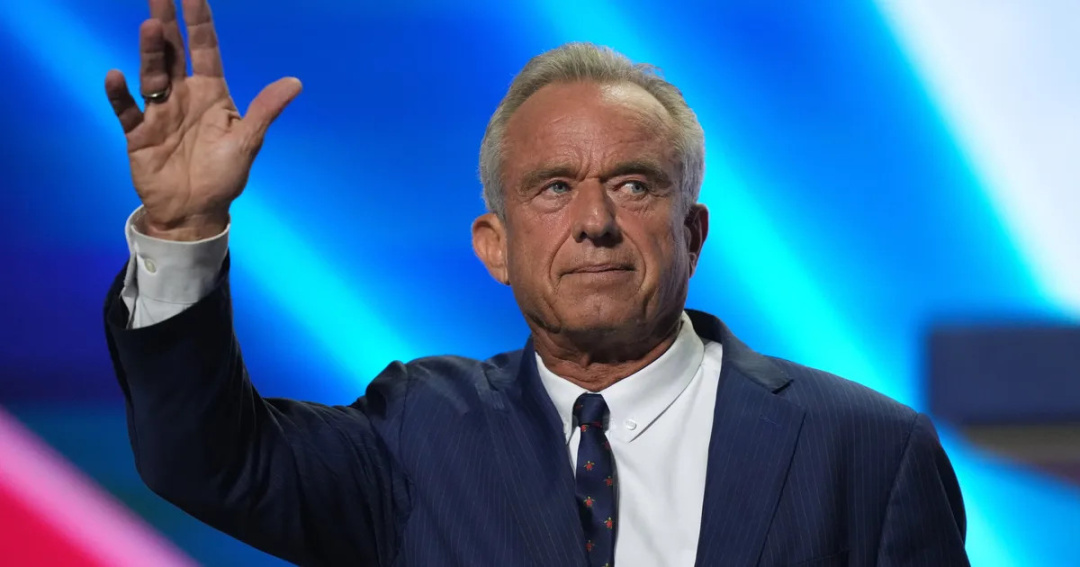
In a stunning display of political allegiance, Health and Human Services Secretary Robert F. Kennedy Jr. delivered a keynote address at the Children’s Health Defense conference, where he assured anti-vaccine activists that they have a staunch ally in President Trump’s administration. This event marked Kennedy’s return to the fold of a group he once led, and his words were a clarion call for those who have long felt marginalized by mainstream medical discourse.
Kennedy’s speech was replete with bravado, declaring, “You have a strong and steadfast friend in the White House.” He continued to suggest that over the past 19 months, the administration has achieved what many once deemed unimaginable in the realm of vaccine policy. From downsizing the childhood vaccination schedule to reshaping critical advisory boards, Kennedy positioned these moves as victories for parents who have long questioned vaccine safety.
Still Beats Watergate:
Sponsor success. Continue reading:
His cheerleader role for the Trump administration was unmistakable, particularly as he touted an executive order aimed at changing the schedule for the measles, mumps, and rubella vaccine. This directive, however, has met with pushback from medical groups, raising the stakes in a public health landscape already fraught with uncertainty. The apparent shift in focus from comprehensive vaccine schedules to a more fragmented approach has sparked alarm among healthcare professionals, who fear a resurgence of vaccine-preventable diseases.
As if to emphasize the gravity of the situation, Kennedy’s return to the anti-vaccine conference comes at a time when measles outbreaks have reached alarming levels. The United States is experiencing its worst outbreak of measles since 1991, with seven reported deaths linked to the virus in the last two years. Such statistics only serve to deepen the chasm between the administration’s messaging and the warnings of public health experts, who are already battling against a tide of misinformation and fear.
Kennedy's remarks were met with a mix of adulation from his supporters and fierce condemnation from critics, including Pennsylvania officials who chastised him for his failure to encourage vaccinations during a public health crisis. Governor Josh Shapiro pointedly criticized Kennedy for addressing the anti-vaccine rally instead of promoting vaccination, highlighting the tension that exists between political ambitions and public health responsibilities.
As the political theater unfolds, the implications of Kennedy’s actions extend far beyond the walls of the conference. His role as HHS Secretary, combined with his historical ties to the anti-vaccine movement, raises critical questions about the administration's commitment to public health. Critics argue that his presence at such a gathering exemplifies a troubling trend of prioritizing political capital over scientific integrity.
The Political Ramifications of Vaccine Policy
The ramifications of these policy shifts are being scrutinized by healthcare professionals and the general public alike. The message from the Trump administration, as echoed by Kennedy, seems to resonate with a segment of the population that feels disenfranchised by established medical guidelines. This has fostered an environment where misinformation can thrive, complicating efforts to restore public trust in vaccination—a cornerstone of public health.
Kennedy’s charismatic appeal to the anti-vaccine base serves to galvanize a movement that thrives on skepticism towards government and scientific authority. As the administration’s stance becomes clearer, public health officials are left grappling with how to effectively counteract the allure of these populist messages. The interplay between political loyalty and public health crisis management continues to evolve, leaving many to question whether Kennedy’s approach will ultimately serve the interests of American families or jeopardize their health.
Your Takeaway
The drama surrounding Kennedy and the policies he champions poses a significant challenge for public health efforts as they navigate the complexities of a deeply divided public opinion on vaccination. With every speech and executive order, the administration inches closer to reshaping the landscape of vaccine policy, and the consequences are likely to ripple through the healthcare system for years to come. The stakes are high, and the call for accountability in public health leadership has never been more urgent.