Kosovo's Reaction to Thaci's Conviction: Shock, Anger, and Narrative Control
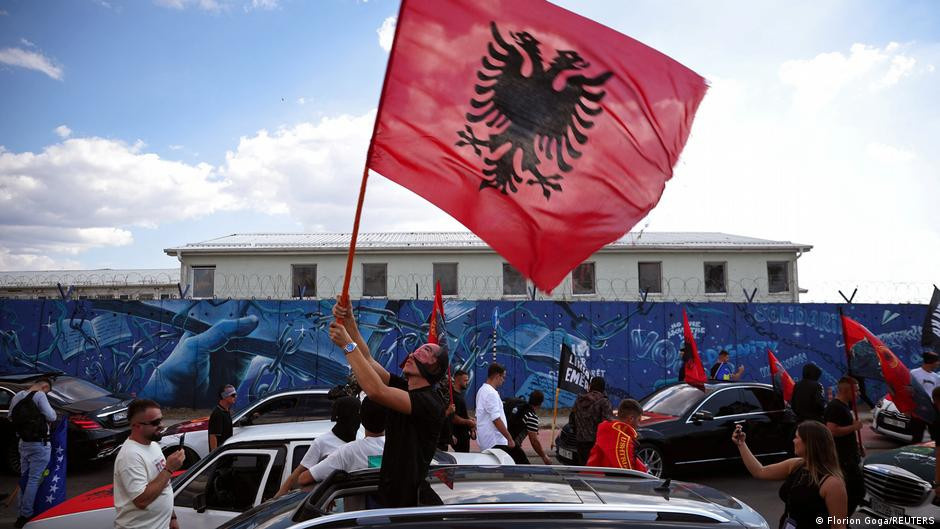
In a stunning twist that has sent shockwaves across Kosovo, the Hague tribunal has convicted former President Hashim Thaci and three of his comrades from the Kosovo Liberation Army (KLA) of war crimes. The announcement was met with a collective gasp from thousands gathered in Pristina, many proudly waving KLA flags as reality sunk in. The silence after the verdict was palpable, a chilling contrast to the previously boisterous atmosphere of support.
As the crowd fell silent, the chant for justice echoed, giving rise to a mix of indignation and fierce loyalty towards the convicted leaders. Among them, Thaci was not just a war hero but a figure who helped steer Kosovo towards independence—until now. In a reaction befitting a political drama, calls to dismantle the perimeter wall surrounding the EU Rule of Law Mission, EULEX, turned the streets into a battlefield of narratives, with police and special units stepping in to quell the unrest.
Still Beats Watergate:
Sponsor success. Continue reading:
Political responses came swiftly, with Kosovo's Foreign Minister Glauk Konjufca branding the judgment as a "terrible judgment for Kosovo." Claiming it dealt a blow to their liberation narrative, he argued that the KLA's fight was justified in the face of Serbian oppression. The Prime Minister, Albin Kurti, echoed similar sentiments, labeling the verdict an "unacceptable injustice"—a phrase that could easily become a rallying cry in the streets of Pristina.
Historical Narratives and Political Identity
The ruling not only stokes political fires but also reignites the embers of historical narratives that have long shaped Kosovo's identity. According to the Democratic Party of Kosovo (PDK), the conviction is seen as an unjust verdict, a message from The Hague that attempts to criminalize their justified fight for freedom. They argue that the ruling is based on fabricated claims, a notion that resonates deeply with their supporters.
Political Repercussions and International Implications
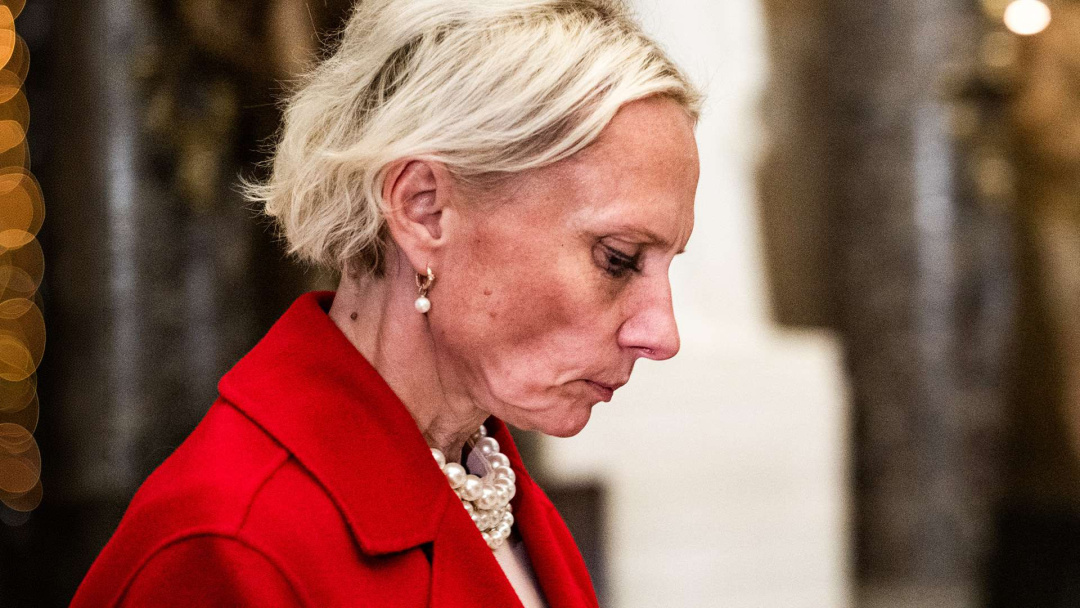
Echoing these sentiments, acting president Albulena Haxhiu labeled the verdict a "grave moment for the Albanian nation," suggesting that the implications stretch far beyond individual convictions. The historical weight of Kosovo's struggle for independence looms large, casting long shadows over the country's present and future.
As the dust settles, the international ramifications of Thaci's conviction could reshape Kosovo's already fragile relations with Serbia and complicate its quest for recognition on the world stage. The Kosovo Specialist Chambers, established in 2015, has been a contentious entity, embodying the conflicting narratives that Kosovo navigates in its international dealings. The trial represented the intersection of past grievances and contemporary politics, and the verdict may serve as a flashpoint for renewed tensions. With appeals on the horizon, the saga is far from over, and Kosovo's political landscape remains precarious.