Trump's Golf Course Takeover: A Public Park Becomes a Private Playground?
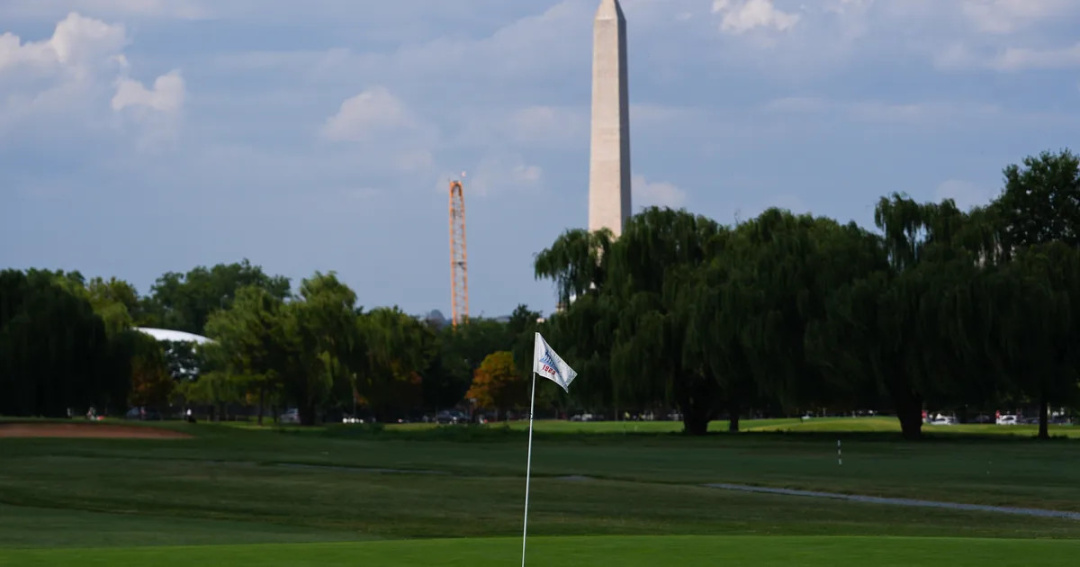
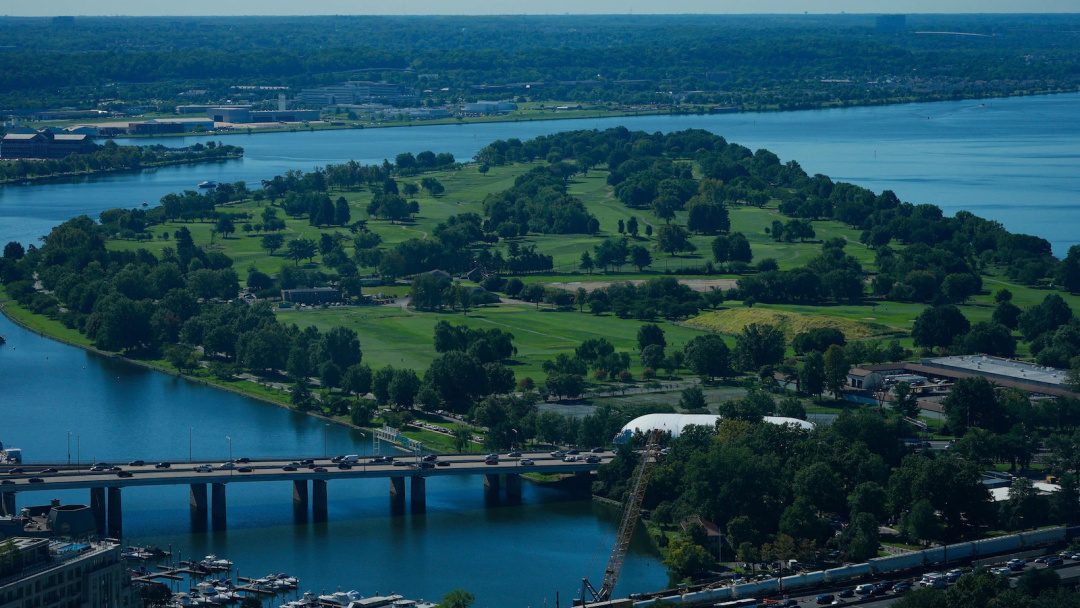
A shocking new chapter in American public land management has emerged as the Trump administration quietly awarded contracts for a planned overhaul of the East Potomac Golf Links. With an estimated contract value of up to $49 million, the National Park Service has begun its mission to transform this iconic public space into what many fear could resemble a private golf club for the affluent. Lawmakers, including Rep. Jared Huffman of California, are sounding the alarm, decrying the move as a blatant attempt to siphon off public resources for private gain.
"Now, this isn’t just any old golf course. This is a beloved public space with huge historic significance," Huffman lamented during a committee hearing. The environmental implications of this transformation have not gone unnoticed, particularly when taxpayers find themselves on the hook for nearly $400,000 to a Massachusetts-based firm tasked with environmental and historic preservation compliance. The audacity of this action raises questions about transparency and accountability within the administration, especially given the lack of public announcements surrounding these contracts.
Still Beats Watergate:
Sponsor success. Continue reading:
As Huffman points out, the ongoing lawsuit against the project argues that the redevelopment may breach the very act of Congress that established the park more than a century ago. "We’re not going to let Donald Trump walk off with our public lands. That park belongs to the American people," he asserted, vowing continued scrutiny of the administration's maneuvers.
The construction contract, alongside plans from Fazio Golf Design, has ignited fears among local residents about what this transformation means for community access to this treasured park. It's not just about golf; it’s about the potential loss of a space that has served Washingtonians of all backgrounds for over a hundred years. The possible shift towards an upscale golf course raises concerns about increased fees and reduced public access, leaving many to wonder if this is an effort to turn a beloved community resource into yet another luxury experience for the wealthy elite.
The Costs of Gilded Transformation
As discussions unfold about the future of the East Potomac Golf Links, it’s essential to consider the broader implications of privatizing public spaces. Americans have historically cherished their parks as accessible havens for recreation and leisure, yet the current trajectory suggests an alarming trend toward commodification. The push for a world-class golf venue, to host major tournaments like The U.S. Open, might lift certain elite organizations while leaving everyday citizens behind.
As the administration navigates this controversy, the public remains skeptical of the integrity of the plans laid out for their parks. An Interior Department spokesperson attempted to quell concerns, stating that any speculation over costs was premature. However, the skepticism surrounding the government's intentions is palpable, especially as debris from the East Wing of the White House, known to contain hazardous materials, sits ominously near the golf course.
The imminent transformation of the East Potomac Golf Links serves as a bellwether for broader issues of governmental oversight and the potential erosion of democratic access to public spaces. As lawmakers continue to demand transparency and accountability, one thing is clear: the stakes are high, and the future of public land hangs in the balance.
Your takeaway
In the battle for public resources, the East Potomac Golf Links has become a symbol of the ongoing struggle between private interests and public accessibility. As the Trump administration pushes forward with its plans, it raises essential questions about who truly owns these public lands and whether the American people will retain access to the parks that historically belonged to them. The outcome of this saga could set a significant precedent for future public land policies and their intended use, making it imperative for citizens to remain vigilant and engaged in the conversation surrounding their communal spaces.