Democrats Halt Trump's $2.8B Arms Sale Over Safety Fears
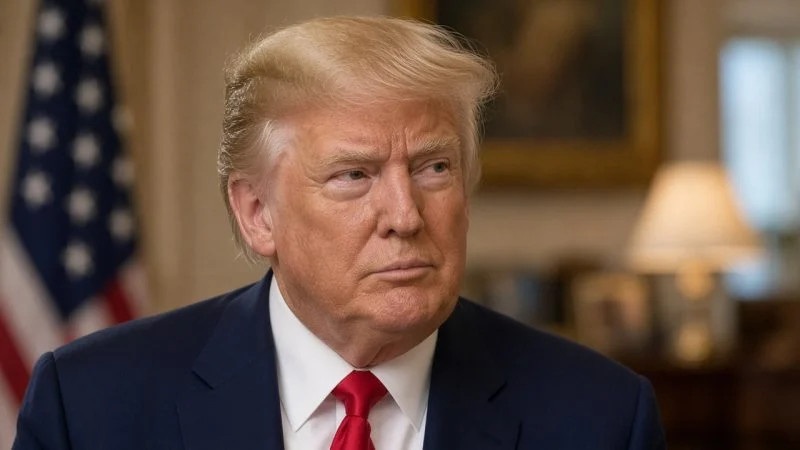
On September 16, Rep. Gregory Meeks, the leading Democrat on the House Foreign Affairs Committee, officially placed a hold on a significant arms sale proposed by former President Trump that totals $2.8 billion. This substantial package is reported to contain 40,000 heavy bombs, specifically designed for military use, and raises serious concerns about the implications for civilian safety, particularly in the densely populated areas of Gaza and Lebanon. Meeks expressed that the sale constitutes a potential violation of both U.S. and international law, highlighting the moral quandary faced by lawmakers in the context of ongoing military conflicts.
The deal encompasses a breakdown of ordnance that includes 20,000 MK-84 general-purpose bombs, another 20,000 BLU-117 bombs, and an equal number of I-2000 penetrator warheads. All of these fall into the 2,000-pound category, noted as the heaviest class of conventional bombs frequently utilized by Western militaries. This raises eyebrows regarding the ethical dimensions surrounding military aid and arms sales, particularly given the devastation witnessed in past conflicts.
Still Beats Watergate:
Sponsor success. Continue reading:
Interestingly, the Biden administration had previously paused the transfer of this same class of bombs due to similar apprehensions regarding civilian casualties. However, the Trump administration reversed this stance soon after taking office, leading to a resumption of arms sales to Israel. In light of this recent hold, the administration is poised to attempt an emergency determination, a maneuver that allows it to bypass the usual congressional review process by asserting that the sale is critical to national security interests. This tactic has historical precedent, having been employed by previous administrations amid similar geopolitical tensions involving Israel and Gulf states.
Meeks’ statement reaffirms a dual commitment: safeguarding Israel’s security while emphasizing the critical need for Congress to exert oversight regarding such weighty decisions. Since the Trump administration began facilitating arms sales, over $12 billion has been committed to Israel, with a notable $6.67 billion package gaining approval earlier this year. The urgency of these transactions has significantly escalated, especially following the Hamas attacks in October 2023, which prompted subsequent Israeli military operations.
Political Theater and Military Aid Dynamics
As lawmakers grapple with these complex issues, one must wonder if the political theater surrounding military aid will yield any lasting change. The ongoing struggle for balance between national security and humanitarian concerns remains at the forefront, with implications that resonate well beyond the halls of Congress.
The Ethical Dilemma of Military Aid
This latest episode in arms transfer discussions illuminates the broader debate regarding military support and its consequences on civilian populations. While the argument for national security looms large, the reality on the ground presents a stark contrast to the justifications offered by policymakers. The question persists: how much is too much when it comes to arms sales, especially in regions already fraught with tension and conflict?
As the political landscape continues to evolve, the implications of such decisions will undoubtedly shape public opinion and the legislative agenda. The dynamic between Congress and the executive branch on matters of foreign policy and military aid will be one to watch, as each side maneuvers for influence in the narrative surrounding U.S. engagement abroad. Is this simply another chapter in the ongoing saga of political posturing, or does it signify a genuine shift towards accountability and ethical consideration in arms sales? Time will reveal the answers, but for now, the spotlight remains on Washington and its handling of these vital issues.