White House Unveils New Campaign Strategy: Influencers to the Rescue
In a stunning move that has left political strategists both bewildered and amused, the White House has rolled out its latest campaign initiative: a full-blown influencer marketing strategy. Dubbed ‘Operation Viral Democracy’, this initiative aims to transform political engagement into a TikTok dance challenge, complete with hashtags and sponsored posts. Officials claim that by partnering with social media influencers, they plan to reach a younger demographic that would otherwise be too busy scrolling to notice the latest policy changes.
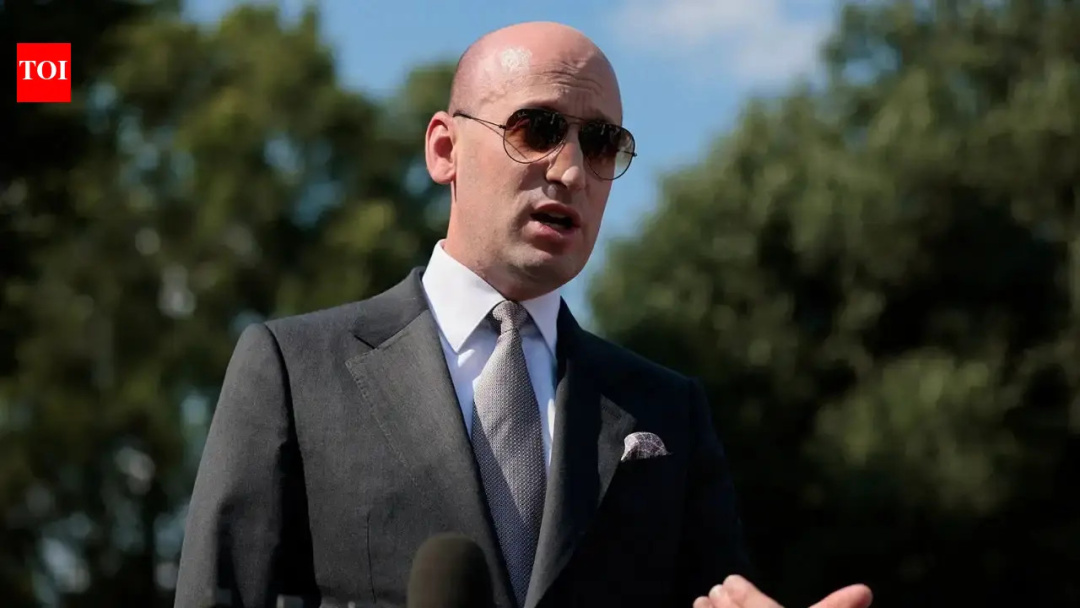
‘What better way to connect with the American people than through the very platforms they live on?’ said a senior White House advisor, who spoke on the condition of anonymity because they were still processing their own disbelief. ‘We’ve seen how influencers can turn a mundane product into a must-have item. Why not apply that same logic to our approval ratings?’
Still Beats Watergate:
Sponsor success. Continue reading:
The plan involves influencers promoting key policies through catchy jingles, meme-able graphics, and possibly even viral challenges. Imagine a campaign where voters are encouraged to post their reactions to the latest tax reform using a catchy dance move. To kick things off, the administration is reportedly in talks with top influencers to create content that will ‘make policy feel more relatable’.
Among the strategies discussed in the briefing room were ideas like the ‘Budgeting Boogie’, where followers will be encouraged to film themselves dancing while discussing budget cuts. Another proposal involves influencers crafting ‘unboxing’ videos for new legislation, much like tech unboxings that reveal the latest iPhone. Imagine influencers revealing the ‘surprise’ inside a new healthcare bill while a catchy tune plays in the background.
Critics, of course, have raised eyebrows at this approach, questioning if it truly reflects the seriousness of governance. ‘What’s next? Campaigning by sending out influencer care packages filled with policy pamphlets and free swag?’ asked a political analyst, shaking their head in disbelief. ‘We’re talking about legislation, not a beauty product.’
Yet, supporters of the initiative argue that this could be a game changer in political engagement. ‘If it works for selling lip gloss, why not for passing laws?’ they reasoned, while scrolling through their Instagram feed.
As the campaign gears up, it seems that the new motto of the administration is to make politics as addictive as scrolling through social media. ‘We’re just trying to meet voters where they are,’ the advisor concluded, perhaps forgetting that voters are often at brunch, not the ballot box.
In the end, the success of this initiative may well hinge on whether influencers can get the public to care about the issues that matter or if they will simply turn the political landscape into a never-ending feed of sponsored content. One thing is clear: in the world of modern campaigning, it’s not just about winning votes anymore; it’s about winning followers.