Musk's DOGE Program Ends, Workers Left with Emotional and Financial Hangover
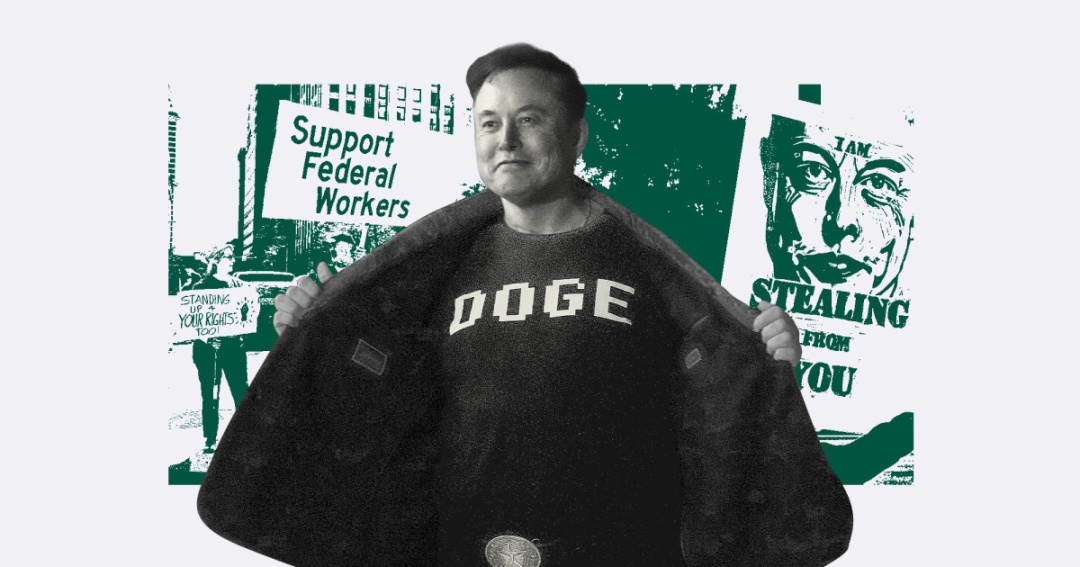
In a move that can only be described as a grand finale of governmental incompetence, the Department of Government Efficiency, or DOGE, has officially been disbanded. This significant event, celebrated with all the fanfare of a deflating balloon, leaves behind a trail of devastated federal workers, many of whom are still reeling from the chaos unleashed by Elon Musk and his merry band of bureaucratic misfits.
Reports indicate that former employees, once proud civil servants, are now navigating the treacherous waters of unemployment and underemployment. The promise that they would find lucrative private-sector jobs has turned into a cruel joke, as many have applied for a staggering number of positions only to land in retail or gig work—jobs that offer neither stability nor health insurance. Apparently, the transition from federal service to a life of selling lattes requires a PhD in disappointment.
Still Beats Watergate:
Sponsor success. Continue reading:
Musk’s DOGE program was touted as a revolutionary step toward efficiency, but data from the recently completed “Let’s Survey the Disaster” initiative reveals that around 95 percent of laid-off employees are now experiencing new mental health challenges. These range from insomnia to existential crises, proving that getting fired in a chaotic environment feels less like a normal job loss and more like a scene from a dystopian novel. The fired workers, once the backbone of government operations, now find themselves wondering if their new job titles should include “trauma survivor.”
In a stunning twist of irony, many former federal employees report feeling less engaged than ever, with a shocking 58 percent indicating a lack of trust in the leadership that orchestrated their mass firings. It seems that the phrase “We value your service” has morphed into “We value your usefulness—until we don’t.”
The fallout has been particularly hard on employees with sophisticated backgrounds, who find themselves competing for jobs in a market that seems to value any qualifications as long as they don’t come with a government badge. One former employee lamented that hunting for a new job felt like being thrown into a gladiatorial arena filled with hungry competitors, each vying for the same meager offerings.
As the administration scrambles to rehire some of these talented individuals under the guise of “restoration,” the workers are left to wonder if their careers will ever return to their former glory or if they will forever be haunted by the specter of abrupt job loss. Many have expressed reluctance to return, citing the emotional toll of their previous experience.
Meanwhile, therapists specializing in trauma are being inundated with requests for help. Apparently, being fired in such a spectacularly chaotic manner has left many feeling like they’ve survived an emotional natural disaster, complete with aftershocks of anxiety and depression.
As the curtain falls on DOGE, one thing is clear: the administration’s attempts at efficiency have only succeeded in demonstrating how to efficiently destroy lives and careers. With a legacy of shattered trust and wounded spirits, the real question remains: will anyone dare to rebuild what was lost, or is this just another chapter in the ongoing saga of government dysfunction?