Senate's Crypto Bill Failure: A Setback for Trump's Digital Ambitions

In a surprising turn of events that has sent shockwaves through the digital-asset world, the United States Senate failed to advance the much-anticipated Digital Asset Market Clarity Act, a piece of legislation championed by none other than President Donald Trump. This collapse is more than just a setback; it signifies a formidable wall of bipartisan opposition that has thwarted the crypto industry’s hopes for a comprehensive regulatory framework.
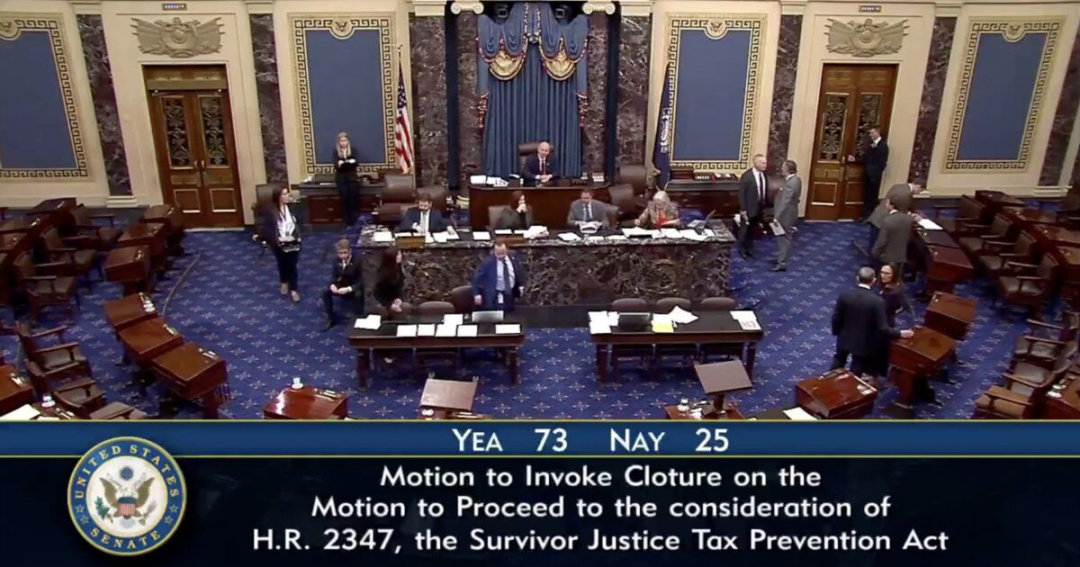
On a day that was supposed to mark a pivotal step forward for cryptocurrency legislation, the Senate fell short of the 60 votes required to bring the bill to the floor for debate. Trump had been vocally supportive, but even his backing couldn’t overcome the hurdles presented by safeguards designed to protect his extensive crypto interests. The vote, which ended in a narrow 50-49, saw four Republican senators—Jerry Moran, Rand Paul, Josh Hawley, and Thom Tillis—defecting to join Democrats in opposition, illustrating just how contentious this issue has become.
Still Beats Watergate:
Sponsor success. Continue reading:
Elizabeth Warren, the top Democrat on the Senate Banking Committee, didn’t hold back her criticism, stating that the legislation posed “massive risks to families, our national security, and our economy.” It seems that while Trump and his allies envisioned a world where he could reign as the “crypto president,” the reality is that many lawmakers are wary of the implications for average Americans, especially during a time of economic strain. Warren further elaborated that this bill would enable Trump to rake in potentially billions from the crypto sector, which may not sit well with constituents struggling with affordability issues.
As Congress prepares to adjourn until after the November midterm elections, this legislative failure highlights a broader struggle within the halls of power to keep pace with rapidly evolving technologies like cryptocurrency. The stakes are high not only for Trump’s political ambitions but for the entire digital-asset market that has invested heavily in lobbying for favorable regulations. In a world where community banks are raising alarms about the bill’s provisions potentially draining their deposits, one wonders if the industry's pleas have fallen on deaf ears.
Interestingly, Tillis’s switch from a yes to a no vote was a procedural maneuver designed to keep the door open for future reconsideration of the bill. However, as the crypto market reacts to this legislative defeat—Bitcoin dropped by more than 5 percent—it’s clear the path forward remains fraught with uncertainty. The bankruptcy of this bill leaves room for regulatory bodies like the SEC and CFTC to fill the void, but their actions could be mired in political shifts and court challenges in the absence of a solid legislative framework. The deep-pocketed crypto industry’s extensive campaign spending underscores just how pivotal this battle for regulation is, revealing a landscape where the stakes couldn't be higher.
The Broader Implications for Crypto Regulation
As we look ahead, the defeat of the Digital Asset Market Clarity Act could have lasting repercussions for the cryptocurrency industry. Experts have long warned that without an overarching regulatory framework, cryptocurrencies will remain vulnerable to the whims of political tides and the uncertainty of judicial interpretations. Industry leaders are now left to ponder whether they can navigate this treacherous terrain without the guidance of Congressional legislation.
The recent collapse serves as a stark reminder of the challenges facing innovation in a political environment that is often slow to adapt. As digital currencies continue to disrupt traditional banking and finance, the push for clarity and regulation becomes increasingly urgent. In a future where every twist and turn in cryptocurrency is scrutinized, one has to wonder how long the industry can withstand such volatility—and whether lawmakers will ever find common ground to pass meaningful regulations.
Your Takeaway
For those in the crypto world, this legislative setback is more than just a temporary hurdle; it's a clarion call for more robust advocacy and engagement with lawmakers. As the dust settles from this vote, the crypto industry must rethink its strategies to influence regulatory outcomes. With midterm elections on the horizon, it remains to be seen whether the narrative around cryptocurrency can shift from one of skepticism to acceptance in Washington. Only time will tell if Trump’s vision for a crypto-friendly America can be resurrected or if it will remain a mere echo of what might have been.