Luke Lindberg: The Trump Pick Steering the World Food Programme
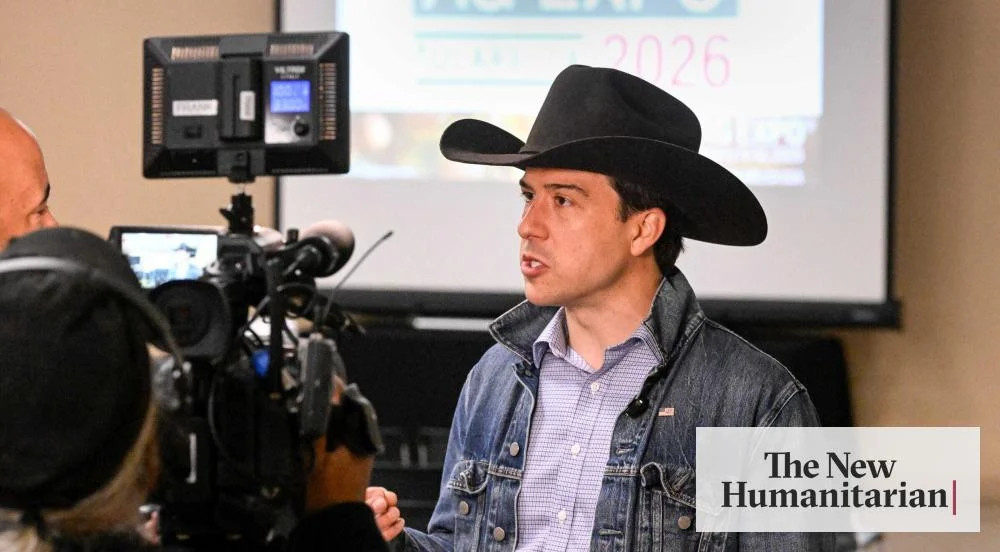
The Trump administration has a storied history of dismantling international aid efforts and branding the global humanitarian system as wasteful. Now, the administration appears set to appoint Luke Lindberg, a longtime agriculture official, to lead one of the world’s largest humanitarian agencies, the World Food Programme (WFP). This choice has sparked fresh anxieties over what it means to place a Trump appointee in a pivotal role that oversees emergency aid on a global scale.
Lindberg’s anticipated appointment, which will reportedly be confirmed during a special session of WFP’s executive board on September 18, follows a prolonged vacancy after Cindy McCain's departure earlier this year due to health concerns. While the appointment process officially involves consultation with the UN’s Food and Agriculture Organization and WFP’s executive board, the influence of U.S. politics looms large, especially given Lindberg’s connections as the son-in-law of Senate majority leader John Thune.
Still Beats Watergate:
Sponsor success. Continue reading:
As concerns mount over what his leadership style may entail, many are left wondering: Will Lindberg’s tenure reflect the “America First” ideology that characterized the last administration, or will he adopt the impartial humanitarian approach traditionally expected of UN leaders? His public record raises eyebrows, particularly given his previous support for controversial figures like Israeli Prime Minister Benjamin Netanyahu and his casual embrace of weapon exports. Such positions seem at odds with the neutrality that humanitarian organizations strive to maintain.
Lindberg takes the helm at a time when the WFP is already grappling with unprecedented challenges, including deepening hunger crises and significant budget cuts that threaten its ability to respond effectively to escalating emergencies. With 151.6 million people facing severe food shortages, Lindberg's approach could directly impact not just the agency's funding but its very mission to alleviate suffering.
Humanitarian Aid or Political Strategy?
Critics have long accused the U.S. of co-opting humanitarian assistance for geopolitical ends, and Lindberg’s past statements suggest he may continue this trend. His leadership may be marked by questions about whether U.S. aid will be aligned with international needs or further shaped by political agendas, particularly concerning sensitive issues like reproductive health and equity.
As the humanitarian field evolves, Lindberg represents a shift towards more overt political considerations in global aid. Commenting on the U.S. strategy, former humanitarian adviser Sam Vigersky expressed concern that Lindberg’s appointment could make it more explicit than ever, as the boundary between U.S. interests and humanitarian mandates continues to blur. Lindberg’s previous comments defending budget cuts as a necessary evaluation process reveals a mindset that may prioritize U.S. geopolitical interests over the dire needs of those in crisis.
Your takeaway
With a robust staff of approximately 20,000 operating in some of the world’s most vulnerable regions, the WFP’s mission depends heavily on its perceived neutrality. Lindberg's political affiliations, combined with a history of controversial public statements, may challenge the agency's credibility. Staff members have already voiced concerns about the direction of the organization under Lindberg’s potential leadership.
As Lindberg prepares to step into this critical role, questions remain about how his leadership will shape the WFP’s response to the complex humanitarian challenges ahead. Will he be able to maintain the integrity of the organization, or will his administration reflect a shift towards a more politically charged approach to global humanitarian assistance? The answer could redefine the landscape of international aid at a time when it is needed most.