Supreme Court Blocks USPS Mail-in Voting Rule Changes Before Midterms
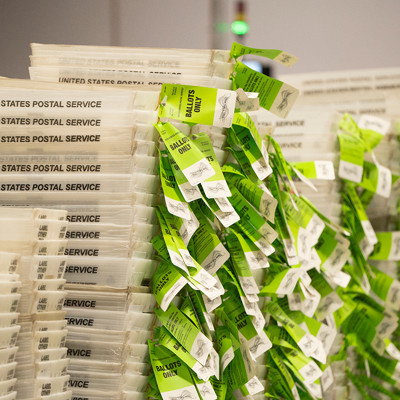
The Supreme Court recently intervened to stop the Trump administration from enforcing new regulations for mail-in ballots, a decision that has significant implications ahead of the upcoming midterm elections. With November fast approaching, the court's decision serves as a reminder of the ongoing tensions surrounding election processes and access to voting.
In March, President Donald Trump signed an executive order aimed at changing the rules governing mail-in voting, with the U.S. Postal Service (USPS) quickly responding by drafting and releasing a final rule in August. However, the Supreme Court's unsigned order issued just days ago indicates that the government is “unlikely to succeed on the merits of its challenge” against a lower court's ruling that had already blocked the USPS from implementing its final rule.
Still Beats Watergate:
Sponsor success. Continue reading:
The contentious final rule would have required states to provide the USPS with lists of voters participating in mail-in or absentee ballots and introduced specific barcode and envelope formatting standards. This move was seen as a significant shift from previous election cycles, where USPS had only provided non-binding guidance to states without the authority to reject ballots that did not meet its unspecified standards.
Surprisingly, the ramifications of the court's ruling were echoed by Justice Brett Kavanaugh, who noted in a concurring opinion that while the final rule might be within the Postal Service’s statutory authority, enforcing it so close to the elections would be “arbitrary and capricious.” This sentiment reflects the broader concern about the impending deadlines for election officials and their ability to adapt to new regulations swiftly enough to ensure a smooth voting process.
The dissenting opinions from Justices Samuel Alito and Clarence Thomas paint a different picture, suggesting that the Postal Service has expansive authority to regulate mail. They argued that failing to stay the lower court's ruling could potentially bring “irreparable harm” to the government and the integrity of the voting process. Their contention was that the proposed changes could enhance the visibility of ballots and help in detecting election fraud.
USPS Commitment Amid Political Pressures
Adding a layer of complexity, Postmaster General David Steiner stated in a previous interview that USPS would follow the court's directives and maintain its status as a non-political organization, adhering strictly to whatever rules are ultimately validated by the judicial system. This stance indicates a clear separation of roles amidst the political contention surrounding voting regulations.
In yet another wrinkle, the American Postal Workers Union expressed grave concerns about the lack of training for postal employees regarding the changes outlined in the final rule. The union warned that hastily implemented regulations could lead to a “catastrophic wholesale non-delivery of mail” to voters, jeopardizing the integrity of the electoral process.
With whistleblower allegations claiming that clerks would be pressured to reject entire batches of ballots based on sampling errors, the USPS finds itself in a precarious position. The looming question remains whether the agency can effectively manage the technical requirements of the proposed portal and ensure fair treatment of mail-in ballots without causing widespread disenfranchisement during a pivotal electoral period.
What This Means for Future Elections
As the case exemplifies the tightrope walk between election laws and the impending elections, it raises critical discussions surrounding voter access, administrative authority, and the balance of power within federally regulated institutions. As the elections draw near, the impact of this ruling will undoubtedly ripple through the political landscape, shaping public discourse around voter rights and election integrity.
The implications of the Supreme Court's decision extend far beyond just this election cycle; they encapsulate a broader narrative of how administrative entities interact with legislative frameworks. As the USPS continues to navigate its role in the politically charged environment of voting regulations, the question of how future elections will be conducted remains in the balance. For many, this ruling underscores the need for clarity and consistency in election-related policies — essential for maintaining public trust in the democratic process.