Trump Administration Enforces Visa Restrictions Amid South African Land Disputes
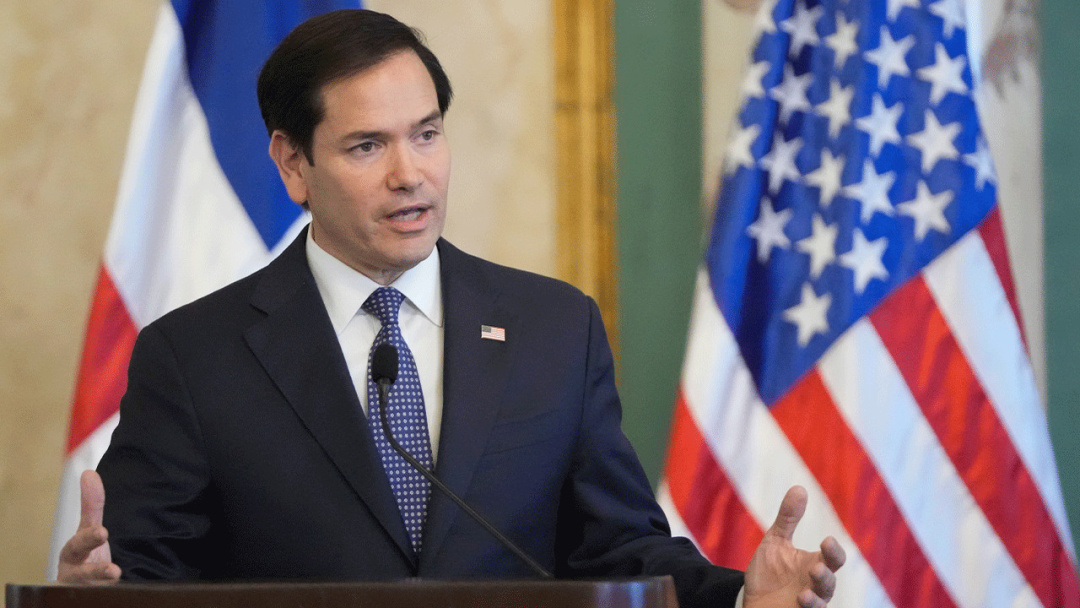
In a bold move that could be seen as an attempt to extend domestic culture wars onto foreign soil, the Trump administration has introduced new visa restrictions targeting foreign nationals in South Africa. This policy, announced by Secretary of State Marco Rubio, is aimed at individuals deemed responsible for race-based discrimination and the controversial uncompensated seizure of land from minority groups, specifically Afrikaners. The announcement comes as tensions escalate between the U.S. and South Africa, with Rubio accusing the South African government of failing its citizens by pursuing policies that he asserts perpetuate racial grievance.
Rubio's announcement was made under a provision of federal immigration law, allowing him to declare certain individuals inadmissible to the U.S. if their entry could result in serious adverse consequences for American foreign policy. As if plucking a page from the political theater playbook, Rubio's rhetoric painted a picture of a government in South Africa undermining its economy and social fabric through discriminatory practices.
Still Beats Watergate:
Sponsor success. Continue reading:
The new visa rules are focused on those directly involved in the enactment of laws or policies that facilitate the seizure of land without compensation and incite violence against ethnic minorities. With Rubio's insistence that “those responsible for these injustices have no place in the United States,” one can't help but wonder if this is simply a move to bolster support among domestic constituents by taking a stance against perceived injustices overseas.
In a broader context, these visa restrictions are the latest escalation in an ongoing dispute between the Trump administration and South African leadership over how minorities, particularly Afrikaners, are treated under the law. The Trump administration had previously signed an executive order directing federal agencies to halt aid to South Africa unless it can assure protection for these communities. Emphasizing humanitarian concerns, the administration has transformed a foreign policy issue into a domestic political talking point.
Political Rhetoric and International Relations
As the U.S. government takes this hardline stance, it raises questions about the implications for international relations and the potential fallout from these visa restrictions. Critics may argue that such measures risk further straining diplomatic ties, while supporters might claim they are a necessary assertion of moral leadership on the global stage. Rubio's comments underline a narrative of victimization and government failure that seems to resonate with a segment of the American populace, eager for a clear antagonist.
The implications of these visa restrictions extend beyond mere travel limitations; they signal a deeper engagement in issues of race and governance internationally. The Trump administration’s approach could be seen as a reflection of its broader narrative focusing on identity politics, turning even international policy into a domestic culture war. As this saga unfolds, the world will be watching how these actions impact not only U.S.-South Africa relations but also the administration's standing back home.
Your takeaway
As the Trump administration navigates this contentious terrain, it becomes increasingly clear that foreign policy decisions will likely continue to serve dual purposes — addressing international issues while appeasing domestic political factions. The narrative surrounding these visa restrictions could evolve, making it a pivotal moment in the interplay between U.S. foreign policy and domestic political dynamics. Expect more developments as both the administration and the South African government respond to the unfolding story, with ramifications that could reverberate far beyond borders.