Judge Refuses to Halt Sanctions in Trump’s IRS Lawsuit, Calls Out Bad Faith
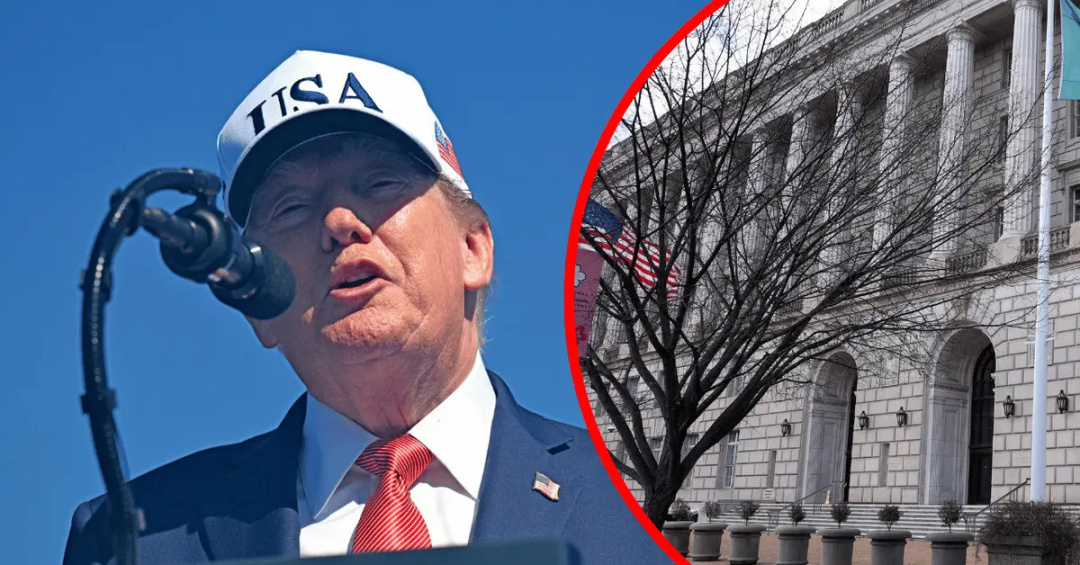
In a legal setback for former President Trump, U.S. District Judge Kathleen Williams has refused to suspend sanctions in a lawsuit against the IRS and the Treasury Department, labeling the conduct surrounding the case as stemming from "bad faith" actions. The lawsuit, which Trump filed alongside his sons and the Trump Organization, faced scrutiny after the plaintiffs voluntarily dismissed it only months after inception.
The case, initiated in January 2026, took a turn when the Justice Department announced a so-called settlement that included the establishment of a $1.776 billion Anti-Weaponization Fund. This fund was designed to assist individuals who claimed they were victims of government overreach and judicial manipulation. However, the arrangement drew skepticism regarding its legitimacy as a true settlement, especially considering that no government attorneys had formally represented their position during the lawsuit's brief tenure.
Still Beats Watergate:
Sponsor success. Continue reading:
Judge Williams noted this disparity in her ruling, questioning whether there was ever a legitimate conflict between Trump’s team and the government agencies involved. The lack of a proper adversarial response from the IRS and Treasury has raised eyebrows, leading to the judge's decision to impose sanctions on the plaintiffs for what she termed a misuse of the legal system. The sanctions not only reflect poorly on Trump's legal strategy but also underscore the judiciary's role in maintaining the integrity of its processes.
In September 2026, Williams expressed concerns that allowing the plaintiffs to frame their supposed settlement as an actual resolution would contribute to a "false narrative" and potentially mislead the public about the nature of the dispute. She pointed out that proclaiming the existence of a genuine settlement could erode public trust in judicial proceedings and the legal system as a whole.
Consequences of the Court's Ruling
As the sanctions stand, Trump's team has appealed the ruling but failed to convince the judge of any imminent harm that would warrant a stay of the sanctions. The consequences include disciplinary actions against Trump's attorneys, and a clear message from the court that bad faith will not be tolerated in its halls. The proposed Anti-Weaponization Fund itself is now in jeopardy, with Attorney General Todd Blanche stating that the initiative is essentially "dead."
Amid this legal chaos, the implications for Trump's political narrative and his ongoing attempts to portray himself as a victim of governmental overreach are profound. The federal judge's firm stance against the misuse of the court system serves as a warning to those who might seek to manipulate legal processes for political gain. As Trump and his legal team navigate their next steps, the focus remains on how this ruling will influence the broader narrative surrounding his presidency and legal dealings.
Your Takeaway
This incident is not just a footnote in Trump's ongoing legal saga; it’s a pivotal moment that could reshape his approach in the court of public opinion and in actual courts. The public's perception of judicial integrity and fairness is at stake, and how Trump reacts to these setbacks will undoubtedly feed into his narrative of being unjustly treated by the establishment.
The legal battles that Trump faces are reflective of larger issues within the political and judicial landscape. As the situation develops, it's crucial to watch how these developments play out, not just for Trump personally, but for the implications they hold for political narratives in the future. The interplay between legal accountability and political theater continues to evolve, underscoring the need for vigilance in maintaining a fair judicial process.