Trump's Election Control Plans Face Supreme Court Setback Amid Ongoing Controversy
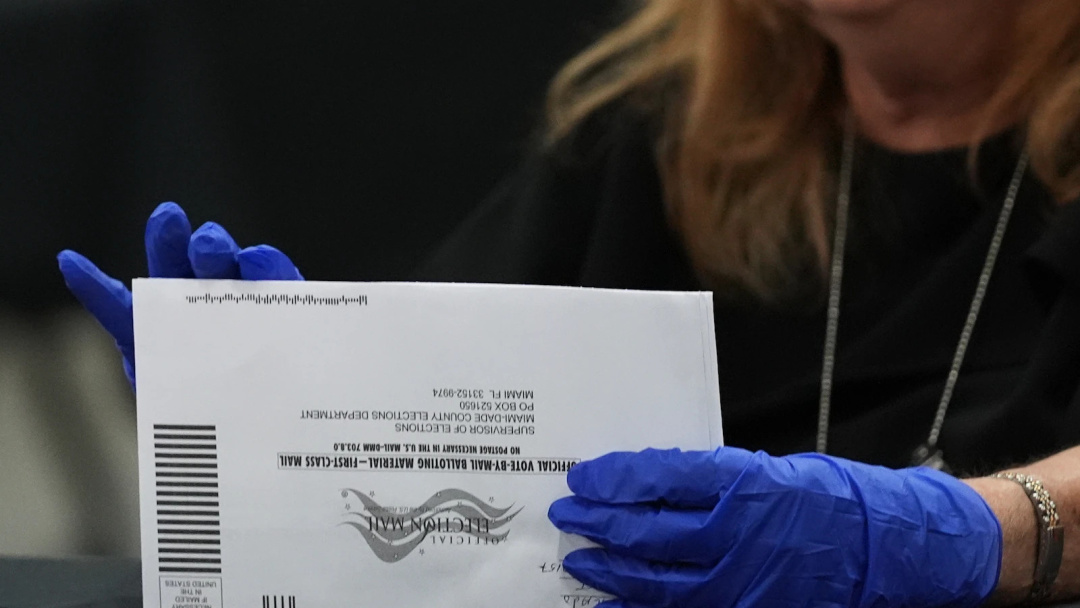
In a spectacular display of political theater, President Donald Trump’s ambitions to impose sweeping changes on mail voting have just been dealt a severe blow by the Supreme Court. This ruling dashed his hopes for an overhaul of the nation’s mail voting system, which most election officials deemed impractically rushed. While this setback might sound like the end of his grand plan, the president is not one to back down easily, and the election circus continues to roll on.
Trump's insistence on asserting federal control over elections remains relentless, despite numerous legal defeats. The Department of Justice has recently instructed officials in over two dozen states to preserve 2024 election records, a move seen as an attempt to pry detailed voter data from state hands. As mail ballots are already on their way in several states and early voting is underway, these tactics seem more like a frantic grasp for power than a legitimate effort to secure the electoral process.
Still Beats Watergate:
Sponsor success. Continue reading:
As if that weren’t enough, the Department of Homeland Security has jumped into the fray, launching its own inquiry into noncitizen voters on state rolls. A whistleblower has raised red flags about this initiative, describing it as rushed and riddled with errors, potentially violating state laws. Meanwhile, Trump continues to perpetuate his narrative of rampant mail ballot corruption and widespread election fraud, appealing to his base’s fears and further muddying the waters of electoral integrity.
In a recent Republican convention speech, Trump openly encouraged his supporters to “cheat like hell,” seemingly proud of his administration's aggressive tactics. In the wake of the Supreme Court ruling, he had some choice words for the justices, accusing them of lacking the courage to protect “our America.” It’s hard to tell which is more troubling: the president’s rhetoric or the implications of his administration's actions on the upcoming elections.
Election Officials Brace for Turbulent Midterms
Election officials across the country are trying to maintain some semblance of order, vowing to conduct safe and secure elections, even as Trump fan the flames of conflict. Democratic groups are preparing for potential chaos, fearing that Trump might deploy armed federal officers at polling places as a means to intimidate voters. This high-stakes midterm election will have significant consequences, potentially shifting control of Congress, and yet it feels more like a political gameshow than a democratic process.
With Trump’s plans for mail ballot reforms thwarted, he still has a bag of tricks up his sleeve. One of these is his push for a federal database overhaul known as the Systematic Alien Verification for Entitlements (SAVE) program, which aims to identify noncitizens among registered voters. Critics are deeply concerned that this could lead to purging legitimate voters from the rolls, an outcome that would echo the chilling sentiments of voter suppression. The irony is palpable: in an effort to secure elections, the administration seems to be putting democracy itself at risk.
The Ongoing Battle Over Election Integrity
The ongoing tug-of-war over voter registration information continues, with the federal government demanding sensitive personal data from states. This has left many state officials scrambling to protect their residents' privacy while complying with federal demands. In a bid to further secure his narrative of widespread voter malfeasance, Trump’s administration has gone to extraordinary lengths, including acquiring ballots from the 2020 election for mysterious purposes. As the midterms approach, it remains to be seen how far the administration is willing to go to control the election narrative.
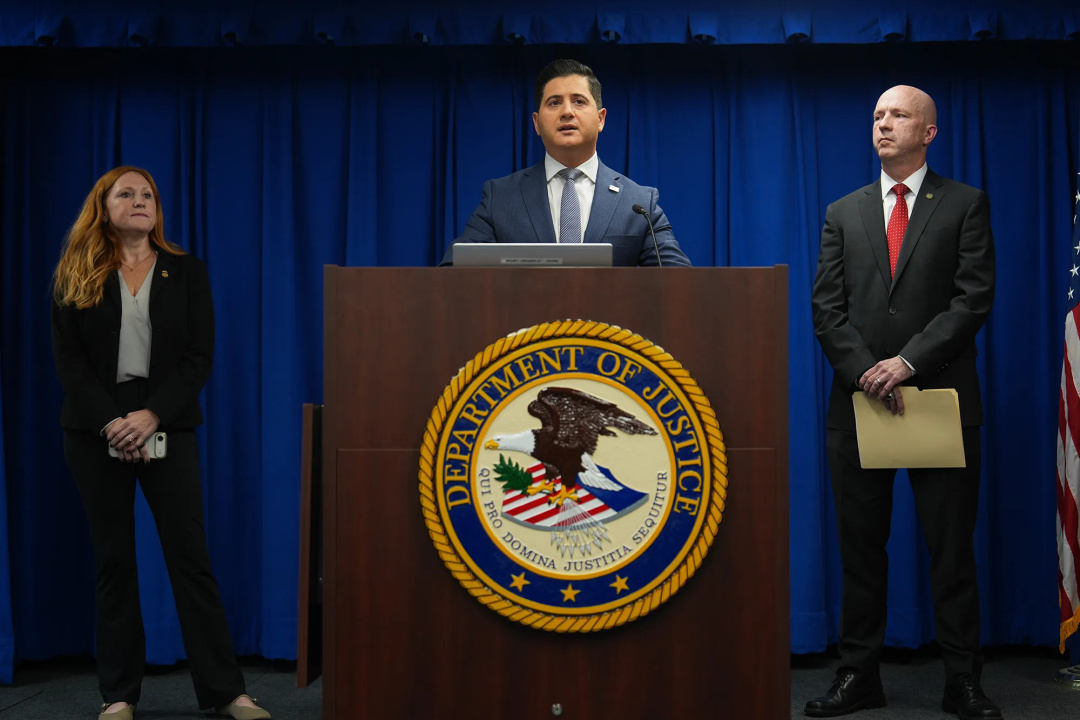
In a press briefing, Attorney General Todd Blanche assured the public that investigations into alleged voter fraud would persist despite the Supreme Court’s ruling on mail-in ballots. The collective sigh of relief from election officials suggests that while some immediate threats have been neutralized, the overarching concern about the integrity of elections remains. As we draw closer to November, one can only hope that the fundamental tenets of democracy endure amidst the chaos and confusion.