Democratic Convention Speakers Face Primary Curse: Is the Stage a Trap?
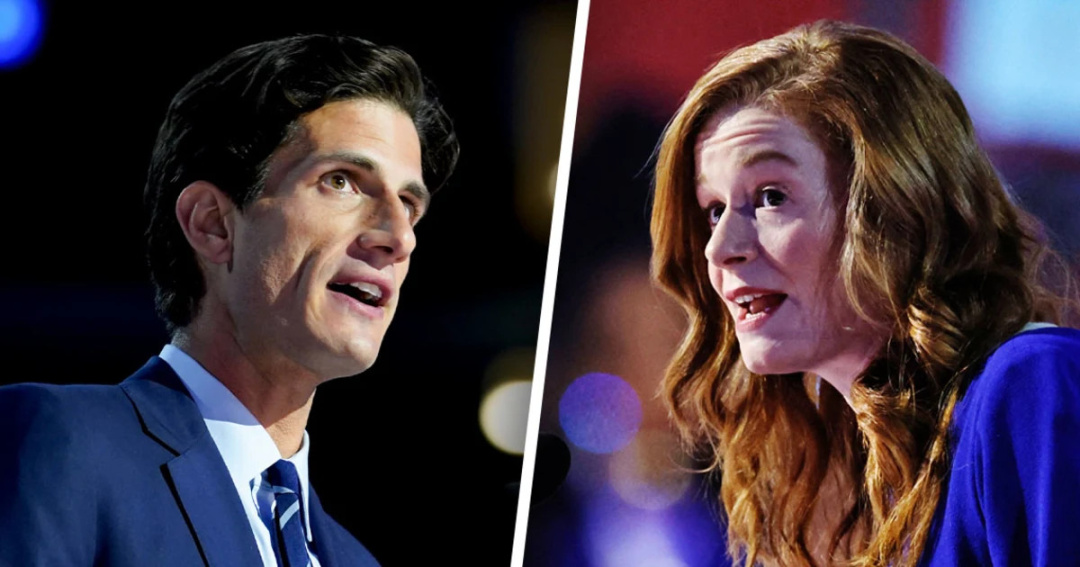
In a shocking turn of events, the Democratic National Convention has taken on the eerie aura of a cursed stage, where candidates once celebrated as rising stars are now floundering in the electoral abyss. With the bittersweet taste of applause still ringing in their ears, speakers such as Mallory McMorrow and Jack Schlossberg are discovering that a prime-time slot is starting to look less like a launchpad and more like a warning label.
It seems that being anointed by the party establishment is akin to wearing a neon sign that reads, "Elect me at your own risk!" Democratic strategists are scratching their heads as they witness a slew of speakers who received adoration and cheers at the convention now exiting their campaigns with a distinct lack of fanfare.
Still Beats Watergate:
Sponsor success. Continue reading:
As McMorrow waves goodbye to her Senate aspirations and others like Jasmine Crockett and Raja Krishnamoorthi follow suit, one can’t help but wonder if the 2024 convention has become a veritable graveyard for political hopes. "It’s as if the establishment’s blessing has turned into a liability," quipped one strategist, who spoke anonymously to avoid a curse of their own.
Formerly heralded as the future of the party, these candidates are now grappling with a voter base that is increasingly skeptical of the status quo. The theme of disillusionment resonates loud and clear: a speaking slot at the convention is becoming synonymous with a fast track to electoral defeat. In a twist that would make even the most seasoned political operatives chuckle, the very event meant to galvanize support might as well come with a disclaimer: "Warning: Success not guaranteed."
As candidates like Olivia Troye and Colin Allred exit their campaigns, the trend raises questions about the future of the Democratic Party. Are they stuck in a loop where the more they embrace the establishment, the less appealing they become to voters? Andrew Bates, a former White House spokesman, suggests that the party has spent too much time admiring the problem posed by Trump and not enough time listening to the electorate's genuine desires for change.
Meanwhile, the only convention speakers emerging unscathed from the primary carnage are those who either managed to dodge the establishment bullet or are simply too far removed from it. Grace Meng and Keisha Lance Bottoms have survived the electoral onslaught, but one can’t help but wonder if they were simply lucky to avoid the spotlight that has become a beacon for political doom.
As the Democratic Party faces this troubling trend, it highlights a growing divide between the insider and the outsider. Voters are increasingly seeking candidates who reflect their frustrations and ambitions, rather than those who merely bask in the glow of party endorsement. The once-coveted speaking slot at the convention is now a cautionary tale, a reminder that in politics, what goes up must come down, often with a thud that reverberates through the campaign trail.
This leaves us with a pressing question: how long before the Democratic establishment realizes that the path to success may not lie in the well-trodden halls of convention stages, but rather in truly listening to the voices of their constituents? Until then, the convention will remain a place of mixed fortunes, where dreams take flight only to crash back down to earth with the weight of political reality.