Kaepernick Blames NFL's Political Games for His Ouster
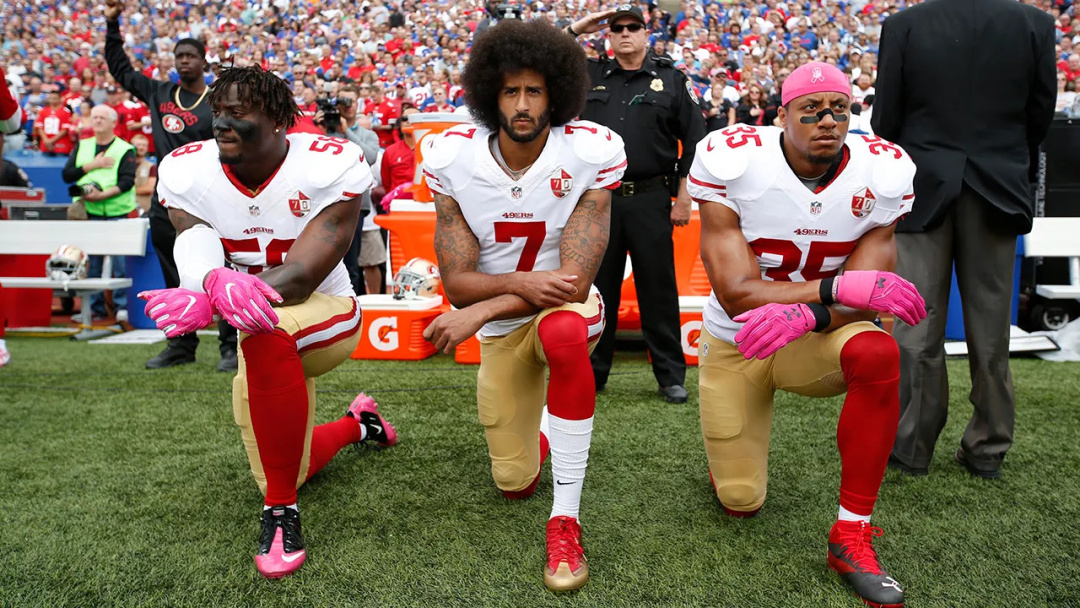
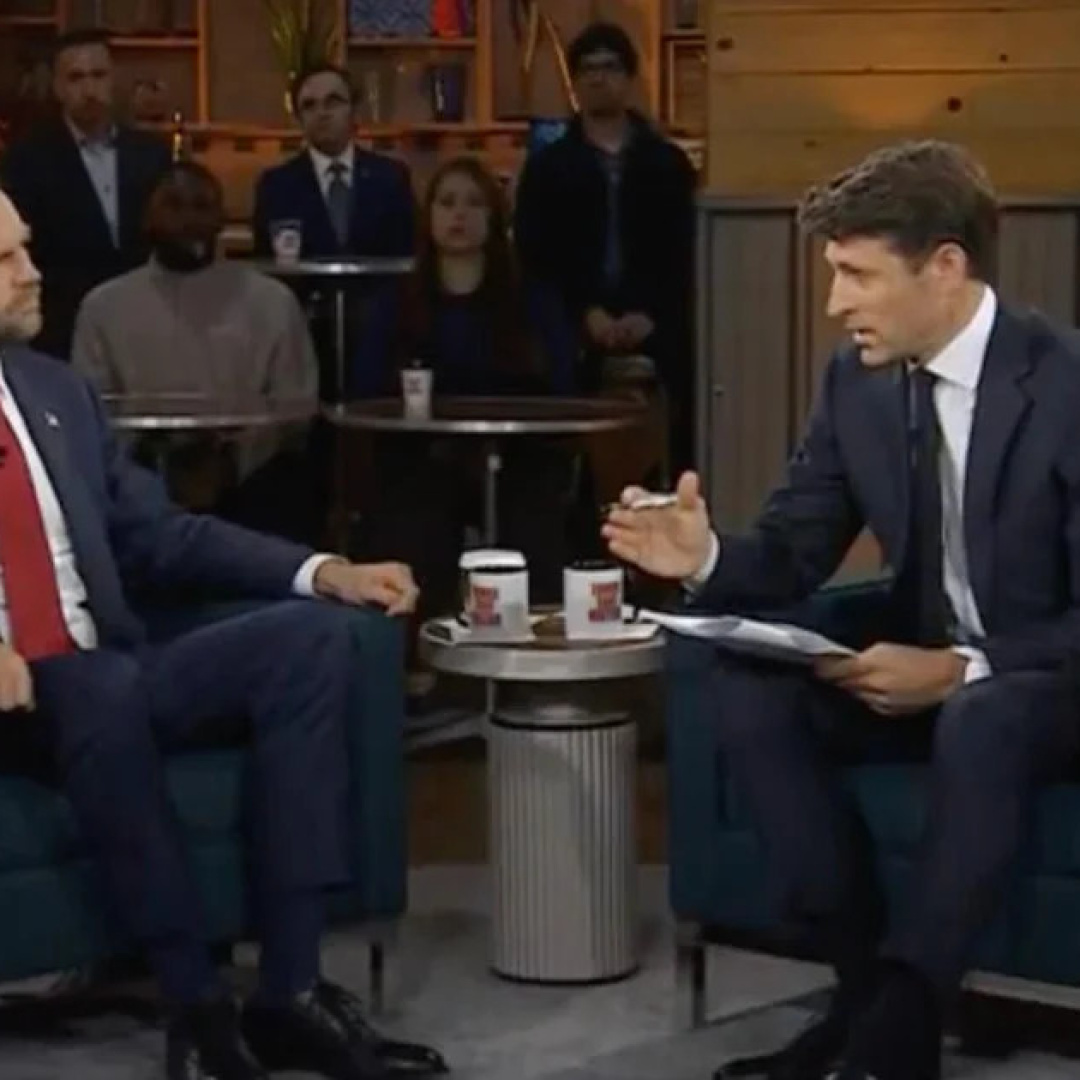
In a bold and unfiltered moment on 'The View,' former NFL quarterback Colin Kaepernick slammed NFL owners for their alleged political maneuvering that, according to him, effectively blackballed him from the league. Kaepernick, who became a polarizing figure after kneeling during the national anthem to protest police brutality, claimed that this was not merely about football but about a broader political strategy intertwined with financial support to the Trump administration.
"I think it was political," Kaepernick asserted in the interview, highlighting that the NFL owners had not just denied him a chance to play, but had also engaged in a significant money game with political repercussions. Kaepernick's comments reflect a critical view of how sports intersect with politics, especially given that he believes the NFL's donations to Trump reveal the power dynamics at play.
Still Beats Watergate:
Sponsor success. Continue reading:
The former 49er quarterback's accusations come against a backdrop of his new book, "The Perilous Fight," where he elaborates on his decision to kneel and the subsequent fallout from the NFL. He emphasized that it wasn't just his own career that suffered but that it pointed to a larger issue within the league that resonates with many players.
Kaepernick's observations on the league's demographic makeup—approximately 70% of NFL players are Black—suggest that the potential for collective action among the athletes could indeed reshape the league if they chose to unify against such treatment. His calls for solidarity hint at a powerful commentary: without players, there would be no games, and without games, there would be no NFL.
It was also revealed that while Kaepernick received significant support for his protest, he faced a torrent of backlash, including death threats from angry fans who took offense at his stance. However, Kaepernick's understanding of the historical context around athlete protests suggests a level of resignation to such hostility. "I'm surprised at the level of pushback that people had on that, because we should all want to live in a society where everyone feels safe," he noted.
Kaepernick Questions NFL's Commitment to Justice
Kaepernick's statements raise critical questions about the NFL's integrity as a league that promotes social justice while simultaneously engaging in practices that may undermine those very principles. The juxtaposition of their public stance on equality against their financial support for a controversial political figure creates a fascinating yet troubling narrative.
As Kaepernick continues to draw attention to these issues, one must wonder: will the NFL change course, or will this just be another chapter in the ongoing saga of sports and politics? The implications of Kaepernick's claims touch not just the football field but the very fabric of societal values and discussions surrounding race, power, and the role of professional athletes in political discourse.
The NFL's Evolving Role in Culture
As Kaepernick's story unfolds, the NFL must contend with its evolving identity in a culture increasingly scrutinizing corporate ethics and accountability. The call for reform among players and fans alike is growing louder, and Kaepernick's revelations may serve as a catalyst for change within the league. The intersection of sports and politics is no longer a sidelined conversation; it’s central to the NFL's future.
On this front, Kaepernick's narrative serves as a reminder that in the realm of sports, silence is complicity. Athletes, particularly those of color, are increasingly aware of their platforms and the potential they hold to effect change. The question remains whether the NFL will listen or continue to sidestep the very issues that threaten its legitimacy as a leading sports organization in America.