Iranian Officials Draw Lines on Talks with Trump’s Administration
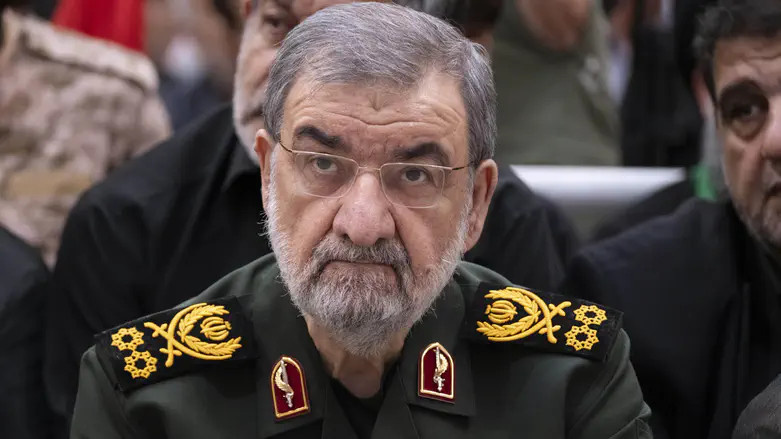
In a recent social media post, Mohsen Rezaei, Secretary of Iran's Supreme National Security Council, declared that Iranian leaders should cast aside the conflicting communications from President Trump, which oscillate between outright rejection of talks and hints at openness. His assertion was clear: no dialogue will commence until Iran's stipulated conditions are satisfied.
Rezaei's remarks come at a time of escalating tensions, with both nations engaging in military actions that only deepen the divide. Iran's President Masoud Pezeshkian also expressed a willingness to resume negotiations, particularly on the critical issue of Iran's nuclear ambitions. However, he firmly stated that these discussions hinge on the U.S. lifting sanctions and ceasing what he described as unilateral pressures that mar the prospect of fruitful negotiations.
Still Beats Watergate:
Sponsor success. Continue reading:
"We are prepared for dialogue," Pezeshkian conveyed, suggesting that any talks regarding the nuclear deal must be framed within the guidelines of established international law and the Nuclear Non-Proliferation Treaty. His skepticism regarding America's intentions was palpable, as he questioned why the U.S. sought to renegotiate agreements previously established in Pakistan.
Iran's Confusion Over U.S. Policy Statements
"What was illogical there?" he wondered aloud, pointing to the apparent disarray in U.S. policy that has left Iranian leaders uncertain about which of Trump's many statements should be considered authoritative. The confusion mirrors the tumultuous political landscape where clarity is often overshadowed by bluster.
Affecting you
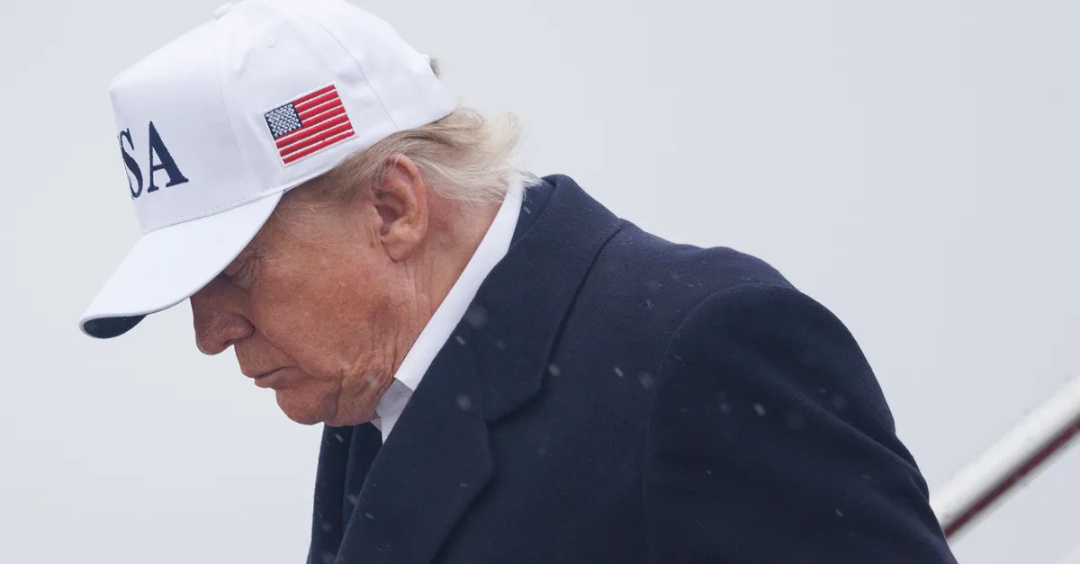
Trump, on his part, has echoed a sentiment suggesting that Iran is eager for an agreement, yet he retains the final say on whether negotiations take place. His characterization of Iran as a desperate nation seeking a deal is telling of the deep-seated animosity that colors these international relations. "I will determine whether or not the U.S.A. will choose to engage— the concept of which we are open to," Trump asserted recently on his platform.
As the rhetoric escalates, with military confrontations including U.S. strikes on Iranian oil tankers and Iran's retaliatory missile launches, the question remains: where does this leave the potential for any real diplomatic progress? With Trump predicting that the conflict might resolve post-midterm elections, the stakes around diplomatic dialogue and international relations grow increasingly fraught. Both nations seem caught in a complicated dance, where every step forward is countered by two steps back, and political ambitions loom larger than the pursuit of peace.