Kosovo's New Government: A Precarious Step Towards Presidential Gridlock
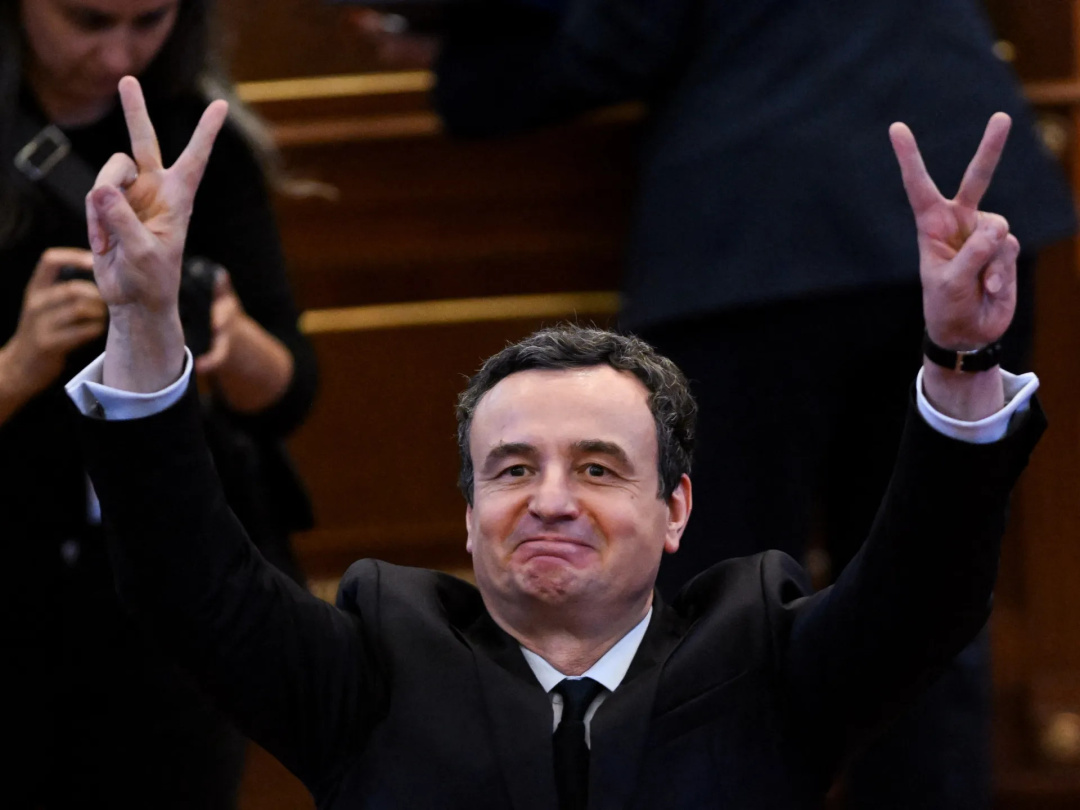
Kosovo's parliament has officially approved a new government led by acting Prime Minister Albin Kurti, temporarily breaking a three-month political stalemate. With 62 lawmakers backing the new administration in the 120-seat assembly, the decision provides only a brief respite before the country plunges into yet another constitutional showdown, this time surrounding the presidential vote. Kurti's party, Vetevendosje (Self-determination), has been in a precarious position, requiring support from opposition parties to reach the two-thirds majority necessary for electing a president. Failure to do so would force Kosovo into yet another snap election—a prospect that seems to loom ominously on the horizon.
The current political deadlock stems from Kurti's inability to secure sufficient backing despite his party's success in three legislative elections since February 2025, including two snap elections in December and June. The primary hurdle remains the elusive presidency, a largely symbolic role that has become mired in political infighting. Recently, Kurti brokered a deal with the Democratic League of Kosovo (LDK), which holds 18 seats, to nominate law professor Bekim Sejdiu for the presidency. However, just a day later, dissent erupted within the LDK as six members publicly announced their refusal to abide by the party leader's decision.
Still Beats Watergate:
Sponsor success. Continue reading:
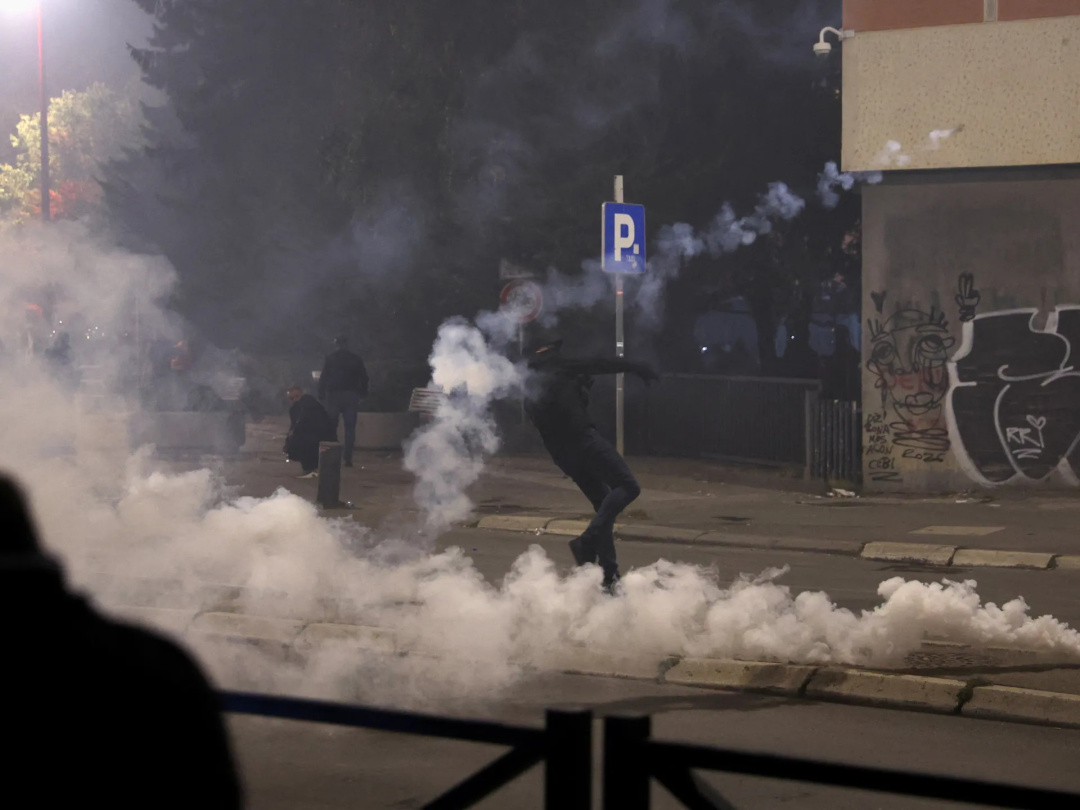
The chaotic political scene is further complicated by Kurti's hardline stance toward Serbia, which has not only worsened relations with neighboring countries but also weakened his support at home. Opposition parties have frequently accused Kurti of alienating Kosovo's traditional Western allies, who are now apprehensive to cooperate with his government. As Kosovo grapples with these internal conflicts, the stakes are high for international relations and economic stability. The United States and the European Union have previously urged Kurti to ease tensions, following violent clashes between Kosovar police and Serbian paramilitary groups in the north.
Your takeaway
The fallout from these repeated political crises extends beyond mere governance; it has significant economic ramifications as well. Months of paralysis have stalled critical legislative reforms needed for Kosovo's EU integration, jeopardizing access to vital pre-accession funds. The ongoing struggle for power and legitimacy threatens to further destabilize the region, leading to increased frustration among citizens who are eager for effective leadership and direction. In this environment, the approach to electing a new president will not just shape the political landscape, but also have lasting repercussions for Kosovo's international standing and economic viability.
As Kosovo navigates its political maze, the outcome of the presidential election will be crucial. If Kurti cannot secure the necessary support, another round of elections could become inevitable, cementing a pattern of instability that has characterized the region for far too long. The world watches closely, as the choices made now will determine not just who leads Kosovo, but how it positions itself on the global stage. The struggle for a president may seem like a local issue, but its impact could resonate far beyond its borders, affecting regional dynamics and international relations well into the future.